

A gas-model designation does not tell you whether a pelletizer replacement part will fit or operate safely. By identifying the gas subsystem, checking the mechanical interface, and matching the machine’s documented ratings, you can separate genuinely interchangeable parts from parts that require model-specific approval.
Key takeaways
- Define whether gas powers heating, the drive, or the surrounding process.
- Match the part number, dimensions, materials, and mounting pattern before ordering.
- Treat burners, valves, regulators, sensors, and gas trains as controlled components.
- Diagnose the failure before replacing a pelletizer spare part.
What does “gas model” mean on a pelletizer?
“Gas model” is not a universal pelletizer class. It can mean a gas-fired heater on the pelletizer, a gas-fired upstream extruder or dryer, a gas-engine-driven unit, or equipment installed in a classified hazardous area. Each interpretation changes which replacement parts are safe and compatible.
| Description | What it identifies | Compatibility question |
|---|---|---|
| Gas-fired heater | Heat source on the pelletizer | Does the part withstand the heater temperature and match its controls? |
| Gas-fired extruder or dryer | Gas equipment upstream of pelletizing | Does the part belong to the pelletizer or to the upstream process? |
| Gas-engine-driven unit | Mechanical drive source | Do shaft, coupling, speed, torque, and guarding ratings match? |
| Classified-area installation | Explosion-risk operating location | Does the part carry the required ATEX category, gas or dust group, temperature class, and protection concept? |
Before ordering gas model pelletizer parts, record:
- Machine manufacturer and exact model
- Complete serial number and applicable serial-number range
- Fuel gas, such as natural gas or LPG
- Subsystem: heater, extruder, dryer, drive, cutter, control, or safety circuit
- Nameplate ratings, including voltage, phase, current, frequency, speed, pressure, temperature, and flow
A listing that says “pelletizer spare part gas model” proves little. Compare the nameplate and serial number with the manufacturer’s drawing or bill of materials, confirm the original part number and revision, and obtain written compatibility confirmation. A standard motor, sensor, valve, or cable gland is not interchangeable merely because its dimensions and voltage match.
Which pelletizer spare parts are usually interchangeable?
A part from an electrically heated pelletizer can work on a gas-heated variant when it belongs to the mechanical process path, not the heating or fuel system. Confirm the manufacturer’s parts list, revision, dimensions, material, speed rating, balance, and load rating before treating pelletizer replacement parts as interchangeable.
| Part category | Usually shared when | Extra checks or disqualifier |
|---|---|---|
| Cutting rotor, bed knife, bearing housing, coupling, screen carrier | Interfaces and ratings match | Check shaft diameter, mounting pattern, revision, balance, hardness, and load |
| Cutting blade | Rotor and knife geometry match | Verify knife projection, hole pattern, hardness, rotor balance, polymer, throughput, melt temperature, and pelletizing clearance |
| Screen or die | Carrier fits and process duty matches | Verify hole diameter, open area, thickness, alloy, throughput, melt temperature, and pressure rating |
| Non-heated fastener | Thread, grade, length, and temperature rating match | Do not replace with a visually similar lower-grade fastener |
| Bearing, seal, lubricant, or roller | Load, speed, temperature, sealing, and lubrication requirements match | Burner or hot-air heat can shorten grease life and damage elastomers |
A blade that fits can still create fines, vibration, high motor load, or impact damage. A screen with the correct outside diameter can change pressure drop, residence time, pellet size, and drive load if its holes or open area differ.
Treat heaters, burners, gas valves, regulators, sensors, and control modules as model-specific until documented otherwise. Fuel type, electrical rating, sealing, combustion conditions, safety interlocks, and hazardous-area ratings can differ; a matching voltage or pipe thread does not prove compatibility.
How do you verify a gas model pelletizer part before ordering?
Verify the part through a controlled cross-reference, not by comparing photographs. Read the machine nameplate and serial number, match them to the OEM drawing or bill of materials, then confirm the original part number and revision before ordering pelletizer replacement parts.
- Record the rotor or shaft diameter, keyway width and depth, bearing bore and outside diameter, seal size, mounting-hole pattern, roller width, cutter geometry, and thread direction and pitch.
- Check the motor or drive specification, shaft runout, operating temperature, part material, hardness, speed, load rating, and balance requirements.
- For electrical gas model machinery components, match motor voltage, phase, current, frequency, control voltage, speed, ambient temperature, ingress-protection rating, and hazardous-area rating.
- For screens or dies, also verify polymer, throughput, melt temperature, hole diameter, open area, thickness, alloy, and pressure and temperature ratings.
| Evidence | Accept | Reject |
|---|---|---|
| OEM identification | Model and serial number appear on the drawing or bill of materials | Listing only says “fits gas model” |
| Part identity | Original part number and revision match | Number is missing or revision differs |
| Interface | Measured dimensions and ratings match | Visual shape is the only match |
| Substitution | Supplier provides written model-and-serial-number compatibility | Supplier offers verbal assurance only |
Ask for that written compatibility statement before payment. A bearing, seal, cutter, or drive component that looks identical can still fail from incorrect clearance, heat, load, speed, or alignment.
Which gas-system parts require technician and manufacturer approval?
Approval starts with the fuel and combustion interface, not with a matching thread or similar appearance. Treat gas model pelletizer parts as safety-critical whenever they control fuel, ignition, flame detection, pressure, or combustion air.
| Part group | Approval boundary | Compatibility checks |
|---|---|---|
| Burner assemblies and gas trains | Technician and manufacturer approval required | Fuel gas, inlet and manifold pressure, flow capacity, connection standard, electrical rating, combustion-air arrangement, and certification |
| Regulators, shut-off and solenoid valves, pressure switches | Do not substitute by thread size alone | Set pressure, capacity, fail-safe action, voltage, certification, and control-system compatibility |
| Ignition transformers, flame detectors, thermocouples, burner controllers | Approval required before fitting | Sensor type, ignition output, response time, wiring, control parameters, and burner-management logic |
| Combustion-air devices | Approval required | Fan capacity, proving pressure, air-setting range, motor rating, and purge sequence |
Natural gas and LPG versions can need different orifices, regulators, pressure settings, air settings, and control parameters. Changing only a nozzle is not a complete conversion; use an approved conversion procedure and verify combustion and every safety function.
Never bypass a flame sensor, pressure switch, guard, or interlock to keep production running. That creates a combustion-system modification.
For gas model machinery components installed in a hazardous area, verify the ATEX category, gas or dust group, temperature class, and protection concept before fitting any motor, sensor, cable gland, or solenoid. Clearance and voltage do not prove suitability.
What should you diagnose before buying a replacement part?
Do not order pelletizer replacement parts until you have proved that the removed component caused the failure. A phrase such as “pelletizer spare part gas model” does not identify the fault or establish compatibility; process conditions can damage a correctly fitted part.
1. Check the cut first. Excessive fines or impact noise points to blunt cutters, incorrect rotor-to-bed-knife clearance, wrong cutter geometry, poor rotor balance, or incorrect hardness. Measure knife projection, clearance, mounting pattern, and rotor condition before replacing blades or the bed knife.
2. Isolate vibration. Check shaft runout with a dial indicator, bearing play or overheating, coupling alignment, rotor balance, and loose fasteners. Replacing a bearing will not cure vibration caused by a bent shaft or misaligned coupling.
3. Trace strand handling. Slipping strands require inspection of the rubber roller surface, roller width, alignment, and applied pressure. Poor strand cooling, screen blinding, abrasive filler, and thermal cycling can mimic a worn pelletizer spare part, so check water flow, screen condition, feed material, and temperature history.
4. Separate mechanical and combustion faults. Unstable temperature or flame loss calls for checks of the burner, gas pressure, regulator, flame detector, and controls—not a cutting or drive component. Give the supplier photographs, the removed part, measurements, nameplate, serial number, operating gas, and symptoms.
Ashwini Engineering Works can use that evidence for a documented cross-reference instead of an appearance-based substitution.
Related products
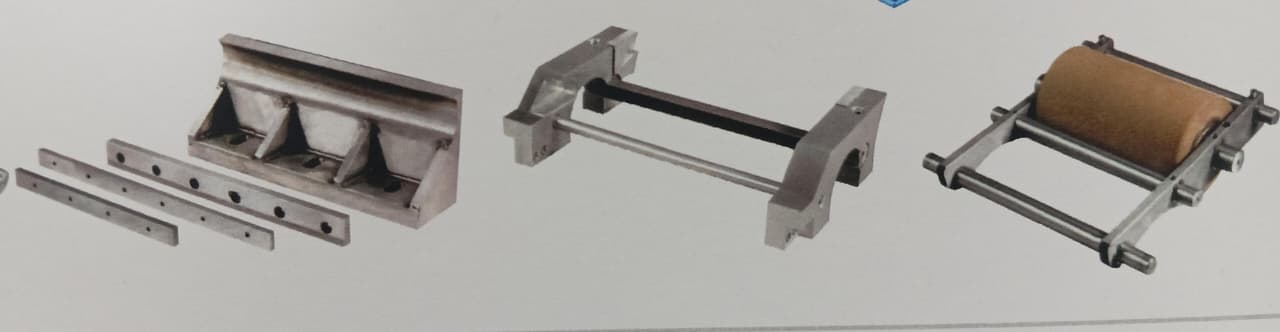 | Plastic Recycling Machinery The Pelletizer Spare Parts from Ashwini Engineering Works are manufactured to deliver reliable performance, precision, and long-lasting durability... View product → |
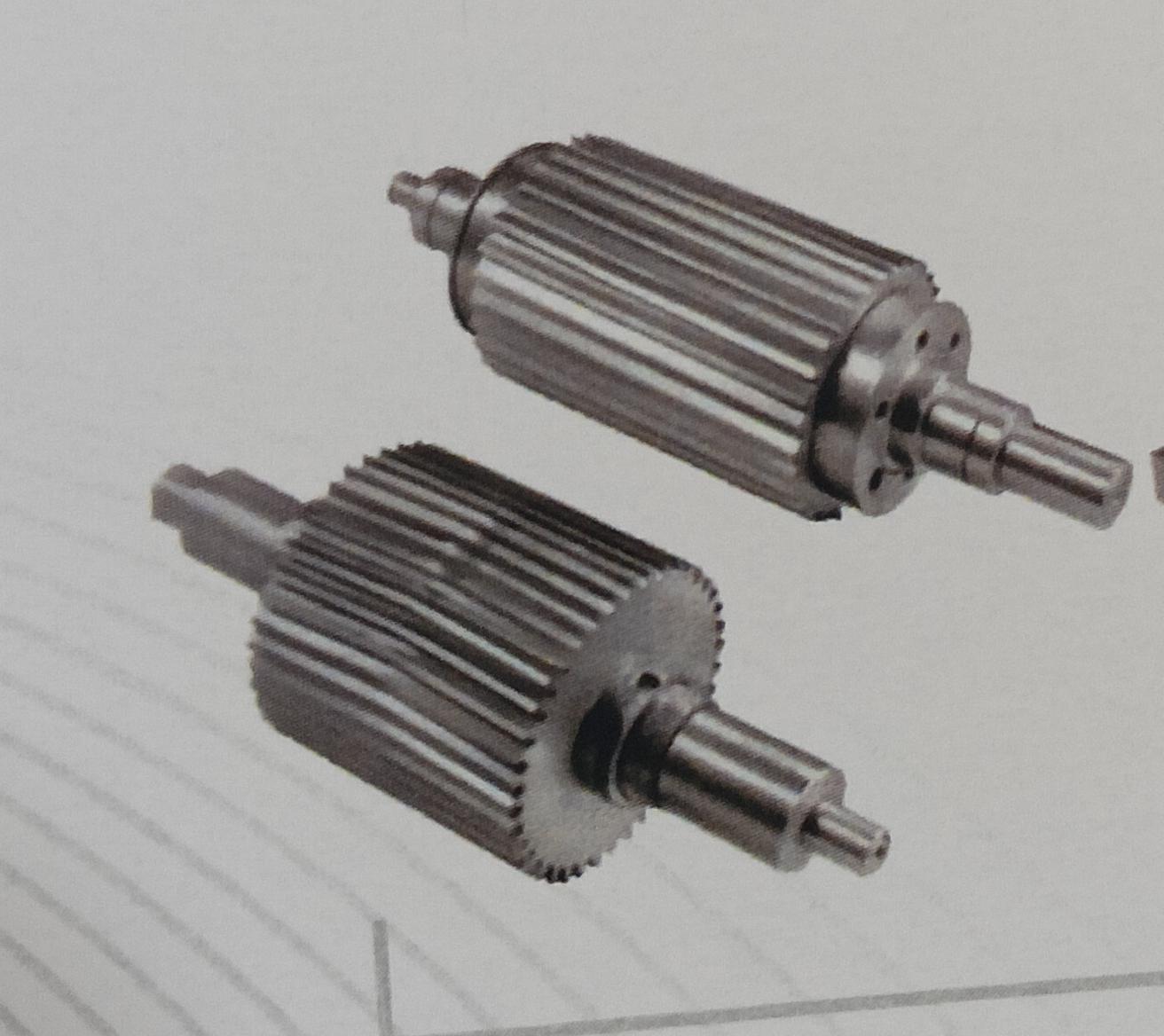 | Plastic Recycling Machinery The Pelletizer Rotor from Ashwini Engineering Works is specially designed for efficient and precise pellet cutting operations in plastic recycling... View product → |
Frequently asked questions
What does “gas model” mean on a pelletizer?
It can describe a gas-fired pelletizer heater, a gas-fired upstream extruder or dryer, a gas-engine-driven unit, or equipment installed in a classified hazardous area. Confirm which meaning applies before selecting a part.
Which pelletizer spare parts are usually interchangeable?
Parts are interchangeable only when their part number, dimensions, material, mounting pattern, operating rating, and connection details match. Mechanical items such as guards, fasteners, some screens, and standard bearings are easier to compare than gas-system components.
How do you verify a gas model pelletizer part before ordering?
Record the machine make and model, serial number, existing part number, dimensions, material, voltage, temperature rating, connection size, and mounting pattern. Compare those details with the supplier’s drawing and the machine manual.
Which gas-system parts require technician and manufacturer approval?
Get approval before replacing burners, gas valves, regulators, pressure switches, flame sensors, ignition controls, gas trains, or explosion-protection equipment. The replacement must match the fuel, pressure, capacity, control signal, and site classification.
What should you diagnose before buying a replacement part?
Check whether the fault comes from wear, blockage, incorrect gas pressure, poor combustion, a failed sensor, electrical wiring, contamination, misalignment, or process overload. Replacing a part without finding the cause can damage the new component.
Related product
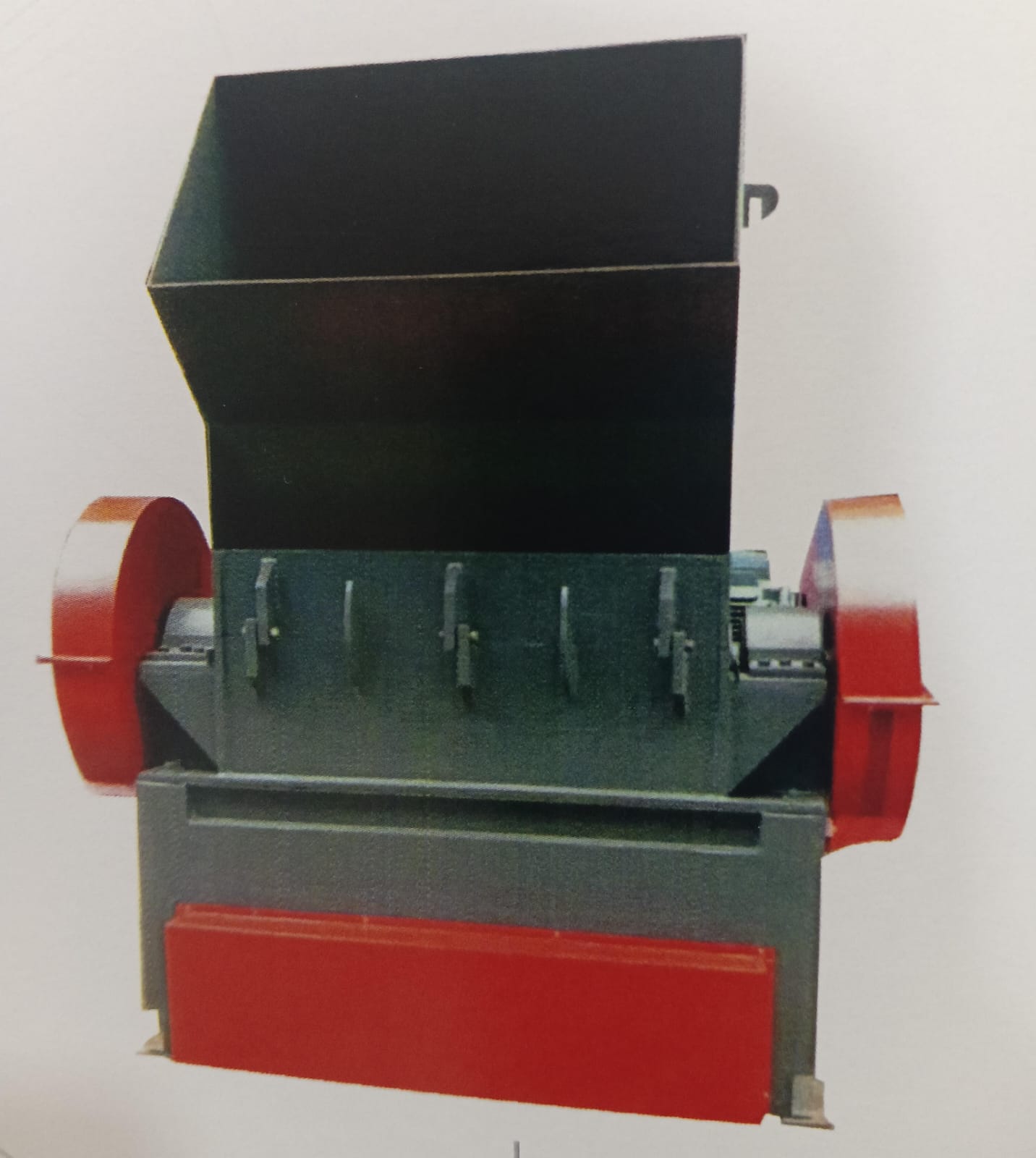 | Plastic Recycling Machinery This heavy-duty industrial crusher machine is designed for efficient shredding and size reduction of various plastic, rubber, and industrial waste... View product → |