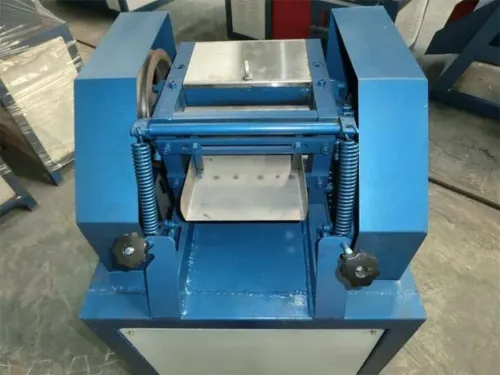

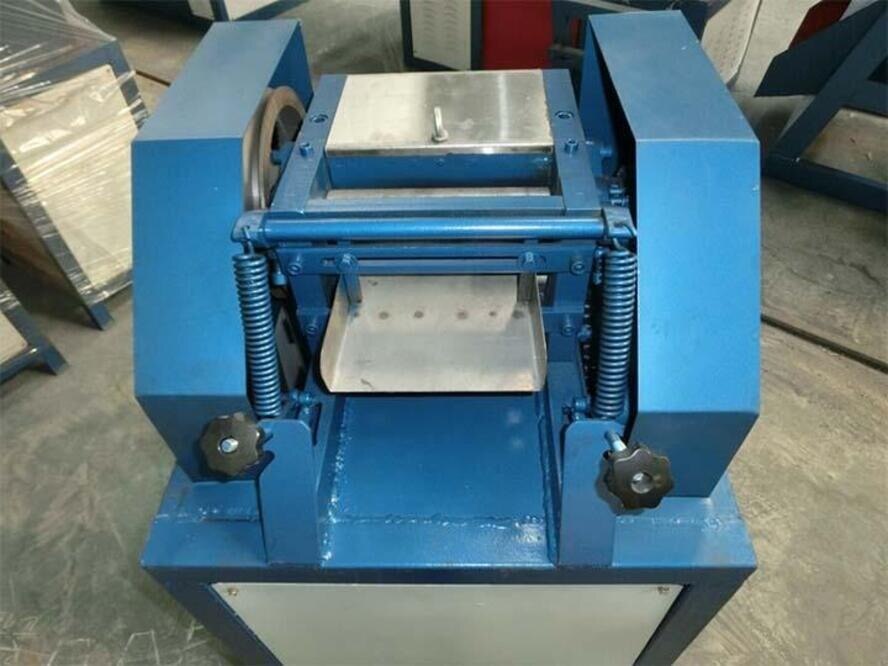
A part described simply as a dana cutter may be a rotary-shear cutter, shredder knife, granulator knife or counterknife, and those tools are not interchangeable. Before requesting a price, define the machine, feedstock, dimensions, load and cutting result so you can compare quotations against measurable requirements.
Key takeaways
- Name the cutting action and attach the machine’s rotor or mounting drawing.
- Match cutter bore, keyway, thickness and hole pattern to the exact rotor.
- Specify feedstock, hardness, contamination and expected throughput before choosing steel.
- Request balance data, sharpening limits and an incoming-inspection checklist.
Identify the Cutting System Before You Request a Quote
Before requesting a quote, identify the cutting action, machine model and operating window—not just “Dana cutters.” State whether you need a rotary-shear cutter, shredder knife, granulator knife, counterknife or pelletizer knife, then attach the rotor, die-face or mounting drawing. A Dana cutter machine is not a universal configuration.
Use this pre-quote checklist:
- Line type: water-ring, hot-face or strand pelletizing; include the machine model and available installation space.
- Feedstock: film, rigid plastic, filled engineering plastic, rubber, wood, mixed post-consumer plastic or e-waste.
- Output: strand diameter, target pellet length and throughput in kilograms per hour.
- Motion and load: motor speed, gearbox output torque, rotor or cutting speed, peak overload torque, current limit, transmission details and jam-reversal method.
- Cutter interface: knife length, width, thickness, bolt-hole pattern, mounting orientation, rotor diameter, shaft diameter and keyway.
- E-waste limits: copper wire, aluminum, steel fasteners, glass, circuit-board material and battery-containing products, plus the required metal-detection or overload strategy.
| Configuration | Identify before ordering | Wrong choice if |
|---|---|---|
| Water-ring | Cutter arrangement, die-face layout, water-box clearance and pellet length | The cutter cannot clear the water box or match the die-face pattern |
| Hot-face | Knife-to-die clearance, rotor speed, thermal exposure and installation space | The assembly cannot maintain clearance at operating temperature |
| Strand | Strand diameter, strand count, cutting speed and target pellet length | The cutter cannot accept the strand size or required throughput |
Throughput figures for clean plastic do not guarantee performance on dirty mixed feedstock. Plastic recycling cutters need the actual material window, steel grade and heat-treatment condition specified before comparison.
Match Every Shredder Cutter Part to the Machine
A replacement fits and works only when its geometry, mass, mounting and operating load match the rotor assembly. Outside diameter alone proves nothing: a cutter can fit the shaft yet create the wrong shear gap, stack height or tooth engagement.
- Identify the tool type: rotary-shear cutter, shredder knife, fixed counterknife, knife holder or screen. “Dana cutters for shredder components” is not a complete specification; tie the term to the machine model, rotor drawing and part number.
- Match every dimension: knife length, width and thickness; bore diameter; keyway or spline form; bolt-hole pattern; tooth count; rotor diameter; and mounting orientation.
- Recreate the complete stack using cutter and spacer thicknesses. Confirm the assembled rotor-stack width and the shaft position against the drawing, not against a worn part.
- Check the cutting relationship. Verify tooth orientation, counterknife position and the specified shear or clearance gap after assembly.
- Compare gearbox output torque, rotor speed, overload torque, reverse or jam-clearing function and current limits. Motor horsepower alone cannot prove that a cutter suits a dana cutter machine.
- Require the supplier to state whether replacement cutters are weight-matched, whether the rotor is balanced as an assembly, and which balance grade or condition applies. Unequal mass, uneven grinding or an incorrectly assembled stack increases vibration and bearing load.
Before approval, obtain the installation drawing and the complete cutter guard and jam-clearing procedure. Isolate electrical, hydraulic, pneumatic and stored mechanical energy before opening the rotor; a correctly sized part does not make an exposed assembly safe.
Specify Geometry, Material and Load for the Feedstock
A cutter survives only when its geometry, steel and worst-case load match the feedstock—not the clean sample used for a catalogue throughput claim. Film, rigid regrind and mixed e-waste demand different tooth profiles, clearances and impact resistance.
| Feedstock | Dominant load | Geometry and edge risk | Specify before ordering |
|---|---|---|---|
| Film or wet plastic | Wrapping, stringing and uneven feed | Too much clearance increases tearing and recirculation | Cutter profile, target clearance and moisture range |
| Rigid plastic regrind | Repeated shear and torque spikes | Thick sections can overload a fine-tooth edge | Tooth pitch, knife thickness, kilograms per hour and motor speed |
| Filled engineering plastic, rubber or wood | Abrasion and high cutting resistance | A very hard edge can chip under shock | Actual steel grade, hardness and heat-treatment condition |
| Mixed e-waste | Copper, aluminium, steel, glass, boards and possible batteries | Foreign metal can chip edges, jam the rotor or bend holders | Accepted contaminants, metal detection or overload trip and safe-stop procedure |
Ask for a drawing that identifies whether the Dana cutters are rotary-shear cutters, shredder knives, granulator knives or counterknives. “Dana cutters” alone does not define the cutting action, mounting or clearance.
- State the maximum feed size, moisture, contamination, throughput in kilograms per hour, rotor speed, motor torque and duty cycle.
- Require the intended knife-to-counterknife clearance and its adjustment method; insufficient clearance causes contact and torque spikes.
- Confirm cutter mass tolerance and whether the rotor is balanced as an assembly, including the balance grade.
- Specify sharpening limits and replacement frequency; repeated grinding changes the tooth geometry and balance.
Check Assembly, Balance and Sharpening Requirements
A cutter that fits the shaft can still damage the rotor. Incorrect spacer width, loose clamping or excessive end float creates axial movement, uneven tooth engagement and concentrated loads on the shaft and bearings.
Before ordering, require the supplier to confirm these assembly details:
- Match bore, keyway or spline, cutter thickness, spacer thickness, tooth count, tooth orientation, shaft position and complete rotor-stack width against the machine drawing.
- Check the stack against shaft shoulders, locking hardware, bearing seats, seals and end-float controls; record the required clamp torque and spacer sequence.
- Specify whether the rotor is balanced as a complete assembly, the balance grade or condition, and whether replacement shredder cutter parts are weight-matched or require rebalancing.
- Inspect shaft runout, bearing seating surfaces, seals and coupling alignment before fitting new cutters. Replace damaged bearings rather than tightening the stack to hide play.
- Isolate electrical, hydraulic, pneumatic and stored mechanical energy before installation or jam clearing. Follow the machine’s guarding procedure; ISO 12100 and ISO 13849-1 do not make an exposed cutter safe.
Do not order “Dana cutters for shredder components” as a universal part description. State whether you need a rotary-shear cutter, shredder knife, granulator knife or counterknife, then attach the model and drawing.
Ask for the permitted minimum thickness, approved sharpening method and post-grinding balance check: sharpening can change tooth profile, rake, relief, thickness, clearance and rotor balance.
Build an RFQ and Incoming-Inspection Checklist
A quote is not complete if it says only “Dana cutters.” State the machine model, drawing number and tool type—rotary-shear cutter, shredder knife, granulator knife, counterknife or pelletizer knife—because tooth profile, clearance and mounting can differ.
Include strand diameter, target pellet length, throughput in kg/h, motor speed, cutting speed, die-face layout and available space for a dana cutter machine.
1. Require a controlled drawing or dimensioned inspection report showing knife length, width, thickness, tooth height and profile, bore, keyway, bolt-hole pattern, shaft diameter, rotor diameter and mounting orientation. Identify every item: rotor knives, fixed counter-knives, holders, spacers, screens, bearings, seals, shafts and couplings.
2. Specify the actual steel grade, heat-treatment condition, hardness range and surface treatment. “Hardened steel” is not enough for plastic recycling cutters; a very hard edge can chip under tramp-metal impact.
3. Ask for material certificates, heat-treatment records, final inspection results, batch or lot marking and photographs of the marked parts. “OEM equivalent” is supplier language, not dimensional evidence.
4. Require the balance method and result: state whether the complete rotor is balanced, identify the balance grade, and confirm weight matching or rebalancing requirements.
5. Before acceptance, check dimensions, runout, flatness, burrs, cracks, hardness and marking against the controlled drawing. Do not install a failed part to “test” it.
6. Obtain installation and jam-clearing instructions covering electrical, hydraulic, pneumatic and stored mechanical-energy isolation. Ashwini Engineering Works can be asked to identify which supplied shredder cutter parts require rebalancing or a revised inspection record.
Related products
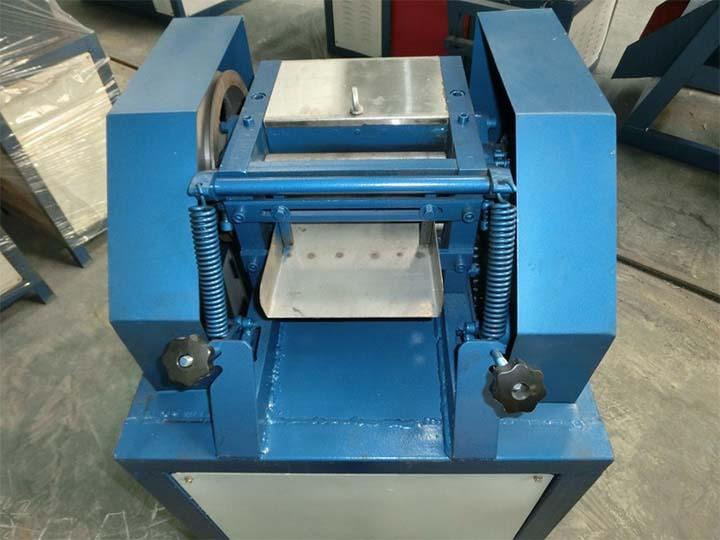 | Plastic Recycling Machinery A Dana Cutter (also called a plastic pellet cutting machine) is a crucial machine used in plastic recycling and extrusion lines to cut molten plastic... View product → |
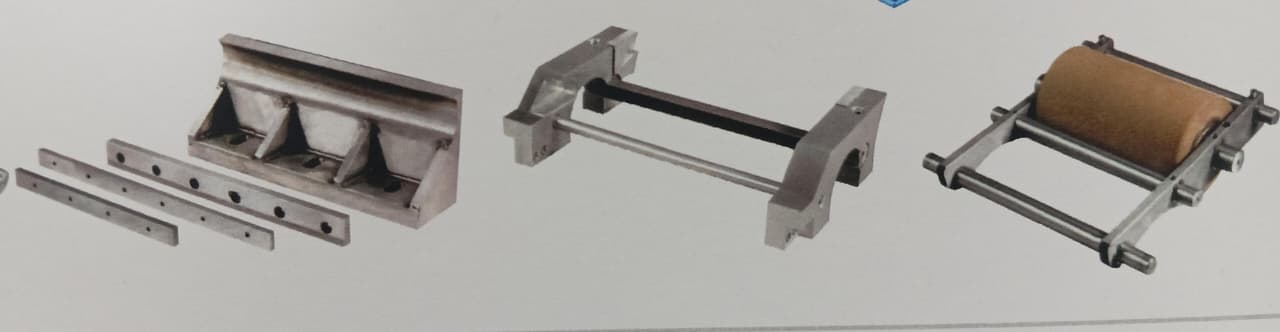 | Plastic Recycling Machinery The Pelletizer Spare Parts from Ashwini Engineering Works are manufactured to deliver reliable performance, precision, and long-lasting durability... View product → |
Frequently asked questions
What information should you provide before requesting a Dana cutter quote?
State the cutting action, machine model, rotor or die-face dimensions, operating speed, feedstock and required cutter quantity. Attach the mounting or assembly drawing.
How do you match Dana shredder cutter parts to a machine?
Check the cutter’s outside diameter, bore, keyway, thickness, bolt-hole pattern, cutting angle and installed clearance against the rotor, counterknife or machine drawing.
Which feedstock details affect plastic recycling cutter selection?
Describe the plastic type, part or film thickness, contamination, moisture, metal risk, throughput and expected operating load. These details guide cutter geometry and material selection.
What should you check during cutter assembly and sharpening?
Verify orientation, stack order, spacers, torque, rotor balance and knife clearance. Record the original dimensions and sharpening limit so repeated maintenance does not reduce performance.
What belongs on an incoming inspection checklist for shredder cutter parts?
Record the part number, quantity, dimensions, material certificate, hardness result, surface condition, edge geometry, hole locations, balance documentation and packaging damage.
Related products
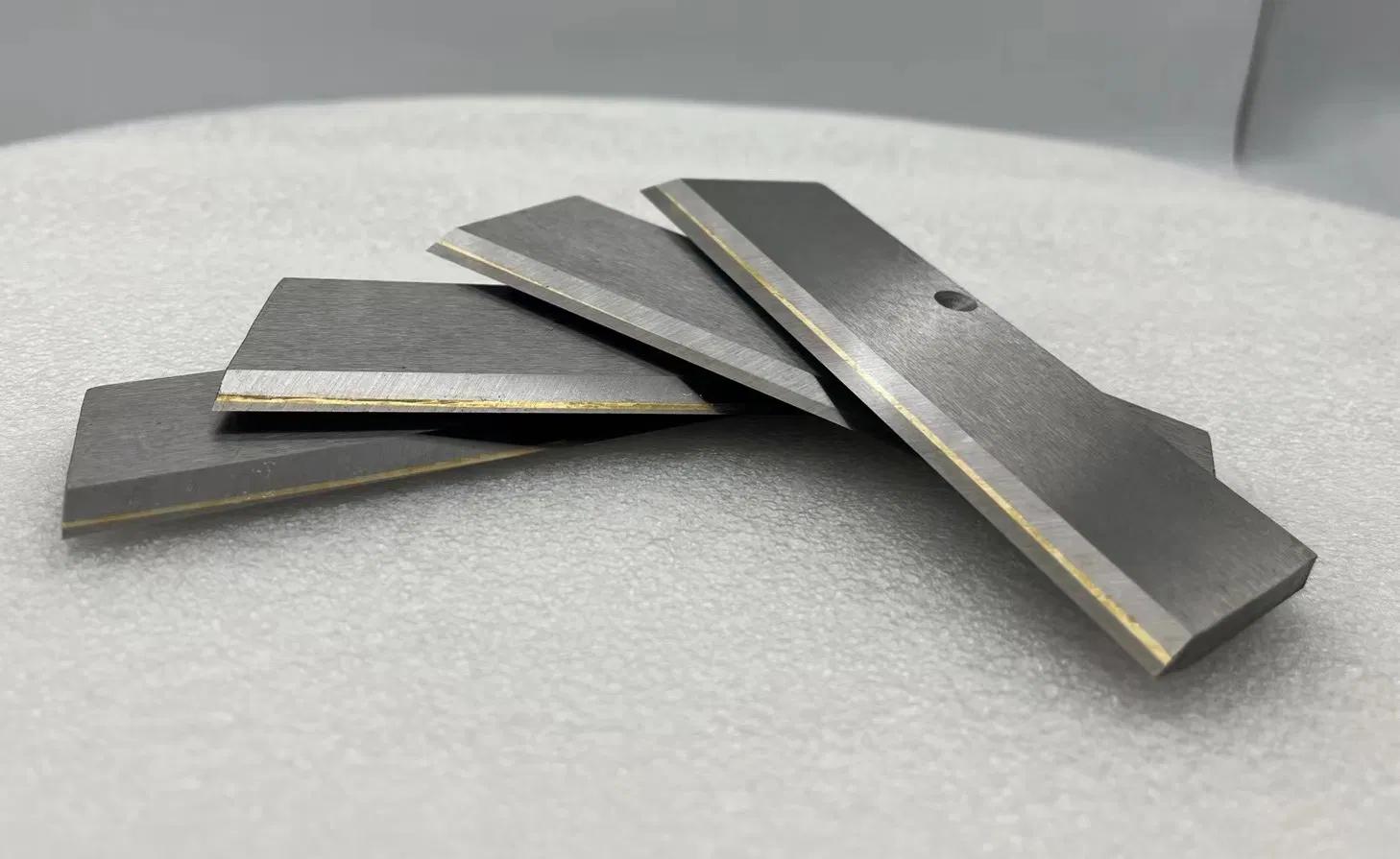 | Plastic Recycling Machinery & High-Speed Steel (HSS) Blades Industrial blades are critical components in machines like grinders, granulators, agglomerators, extruders, and dana... View product → |
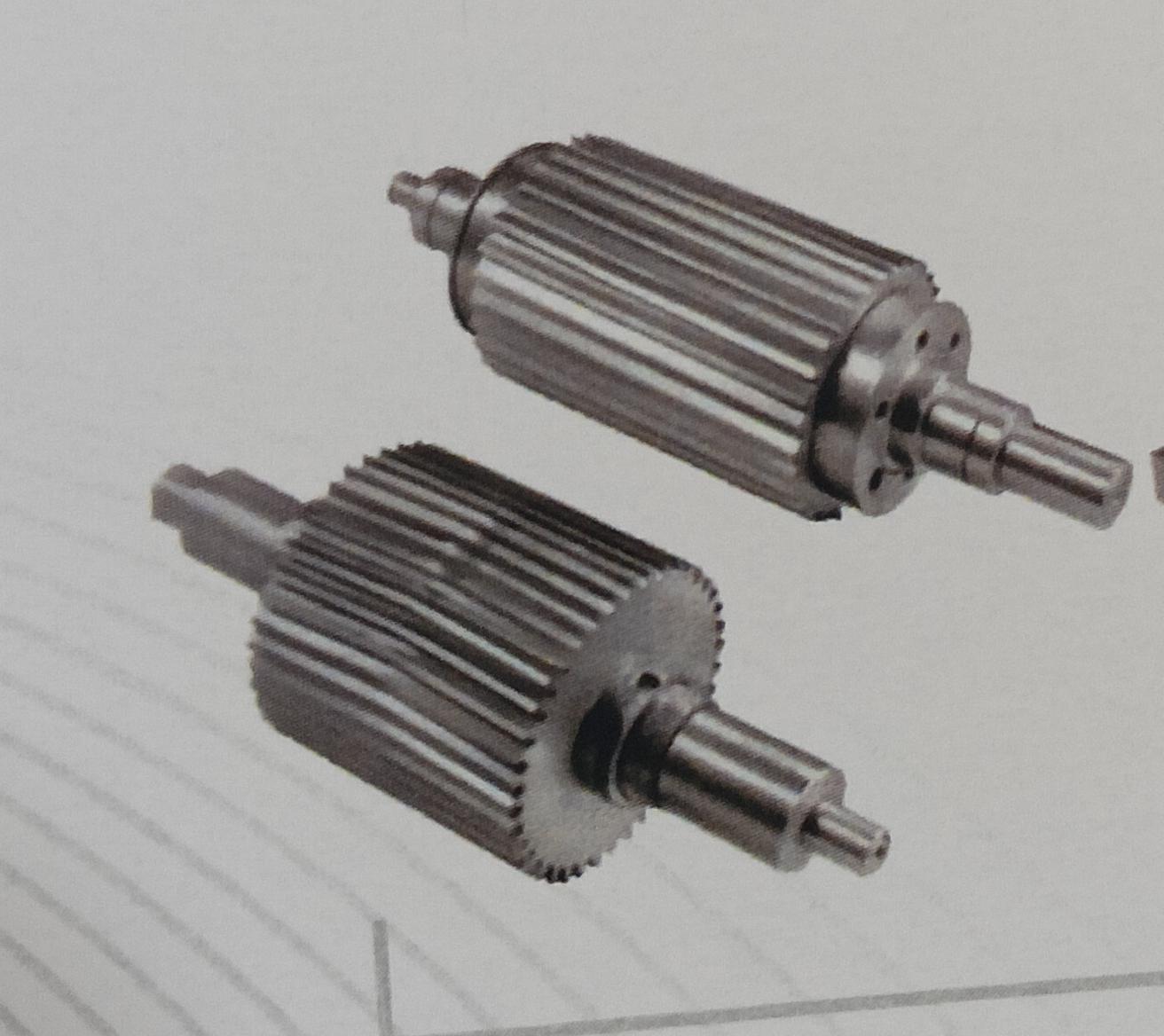 | Plastic Recycling Machinery The Pelletizer Rotor from Ashwini Engineering Works is specially designed for efficient and precise pellet cutting operations in plastic recycling... View product → |