
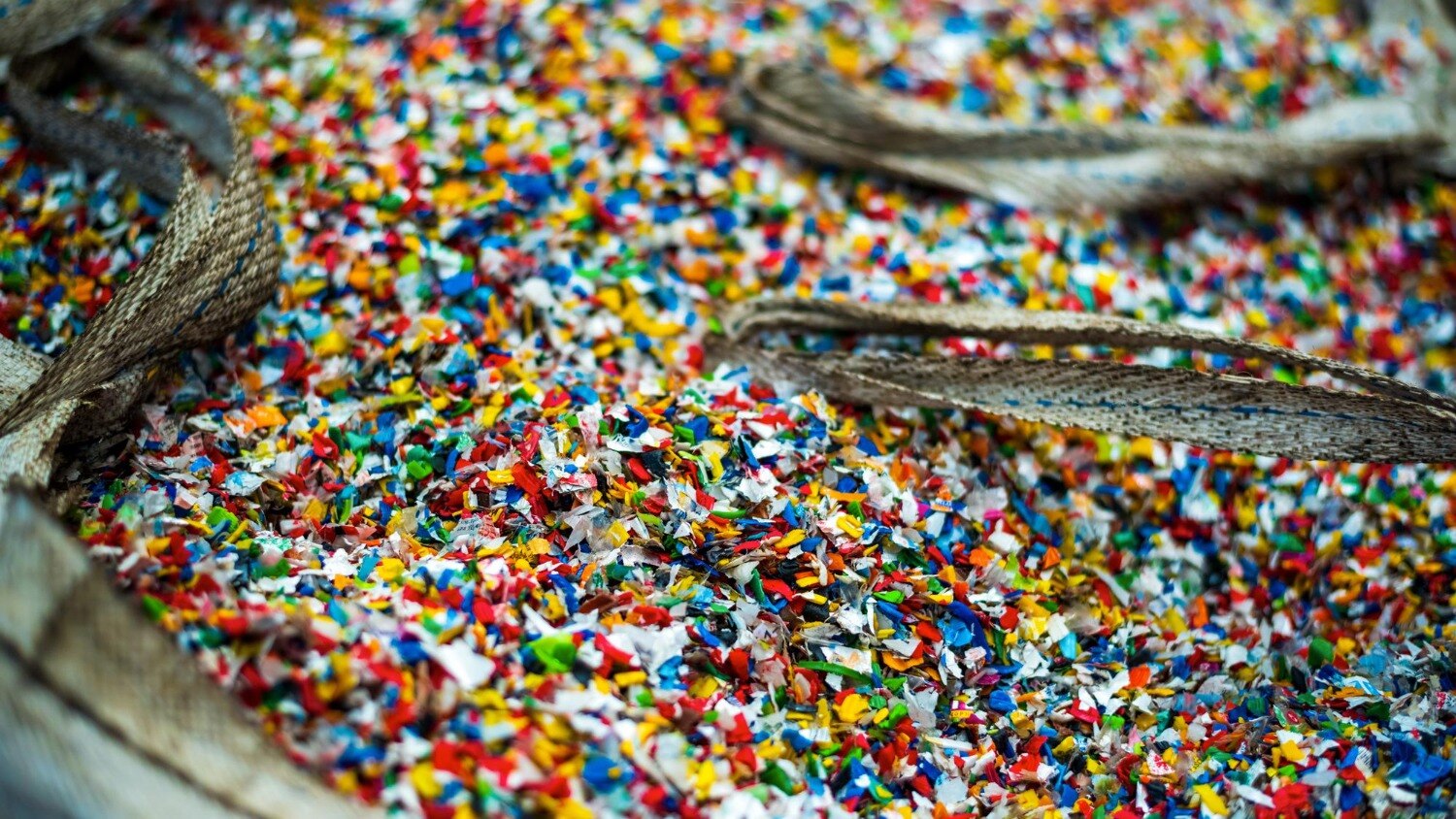
Shredding reduces solid plastic waste to flakes or pieces, but those pieces cannot usually enter a strand pelletizer directly. The key is to identify where the rubber roller belongs, understand how its grip affects strand speed and pellet length, and specify the replacement against the line’s actual heat, moisture, contamination, and machine design.
Key takeaways
- The roller belongs after strand cooling, before the pelletizer knives.
- Match roller diameter, width, surface hardness, and shaft details before ordering.
- Poor grip causes strand slip, uneven pellet lengths, and unstable feeding.
- Inspect for swelling, cuts, glazing, embedded debris, and uneven wear.
Where the Rubber Roller Fits After Shredder Processing
It normally does not sit at the shredder discharge. A pelletizer rubber roller for after shredder processing belongs later in a strand-pelletizing line, where it grips cooled polymer strands and moves them toward the knives.
The normal process sequence is:
- Shredding or grinding reduces solid plastic waste to flakes or pieces.
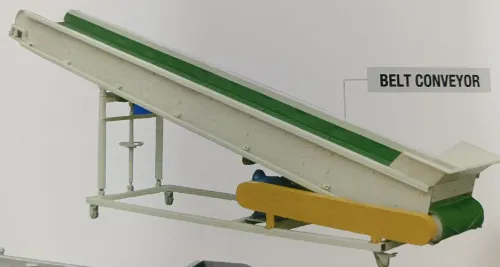
- A discharge conveyor transfers the material; drying, washing, screening, or separation removes water and unwanted fractions when required.
- A metering screw, compactor, or extruder feed system prepares a steady charge.
- The extruder melts and mixes the material, then a screen or melt filter removes contaminants.
- The die forms continuous strands.
- Cooling solidifies the strands; drainage, squeeze rolls, or a strand dryer remove surface water.
- A rubber-roller take-off pulls the strands at a controlled speed.
- Final knife cutting turns the strands into pellets.
Calling a component a pelletizer rubber roller shredder is potentially misleading. The roller does not replace a shredder discharge conveyor, metering screw, compactor, or extruder feed system.
| Pelletizing method | Cutting location | Rubber feeding roller |
|---|---|---|
| Strand pelletizer | After cooled strands leave the die | Usually used |
| Underwater pelletizer | At or immediately behind the die in water | Usually not used |
| Water-ring pelletizer | At the die face or inside the water ring | Usually not used |
Confirm the pelletizing architecture before ordering; a roller intended for strand take-off will not suit an underwater or water-ring machine.
What Does a Pelletizer Rubber Roller Do to the Strand?
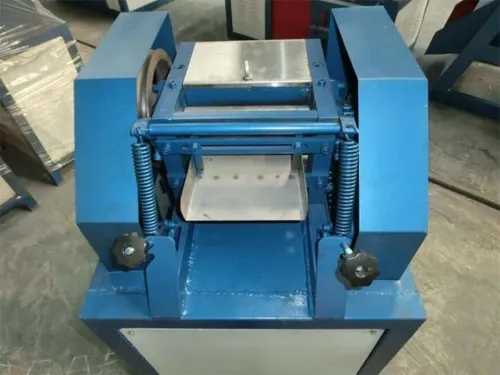
The pelletizer feeding roller grips each cooled polymer strand in a controlled nip and advances it toward the cutter. A rubber-covered roller presses against its mating roller, trapping the strands between the two surfaces rather than allowing them to drift, pause, or bunch before cutting.
The roller’s rotation sets a defined peripheral speed. That speed must match extrusion throughput and the knife’s cutting rate: if the roller turns too slowly, strands stretch or accumulate; if it runs too fast, tension rises and strands can thin or break. Correct alignment and low runout keep the nip gap consistent across every revolution.
Nip pressure creates traction, but maximum pressure is not the goal. Too little pressure causes slip and intermittent cutter entry. Too much pressure flattens or marks soft strands, increases drive load, and can smear polymer that has not cooled sufficiently.
The rubber surface provides controlled compliance. It conforms to small changes in strand diameter and grips more gently than rigid metal-to-metal contact, while excessive deformation can generate heat and extend strand residence in the nip.
So, what does a pelletizer rubber roller do? It controls transport from the cooled strand line to the knives. It does not melt, filter, blend, shred, or cut the polymer; the extrusion system performs those duties, and the knives determine the final pellet length.
How Poor Grip Changes Pellet Length and Line Stability
A constant cutter drive does not guarantee constant pellet length. If a plastic recycling rubber roller slips, pauses, or stretches the strand, actual strand speed differs from the roller’s nominal peripheral speed before the knife ever cuts it.
| Condition | Strand behavior | Result |
|---|---|---|
| Low nip pressure, wet strands, contamination, or glazed rubber | Slip, pauses, and intermittent cutter entry | Short-and-long pellets and unstable throughput |
| Damaged surface, eccentricity, or changing nip gap | Cyclic grip, wandering, and bunching | Repeating length variation, vibration, or strand breakage |
| Excessive nip pressure | Flattening, marking, sticking, or smearing | Higher drive load, faster wear, and possible cutter overload |
Eccentricity creates a repeating pattern because the nip opens and closes once per revolution. Check roller runout and alignment against the machine builder’s tolerance; visual inspection will not reliably detect a small cyclic error.
Set nip pressure for traction, not maximum force. Too little pressure causes slip, while too much flattens soft strands, raises drive load, accelerates rubber wear, and smears polymer that has not cooled enough. A grooved, torn, swollen, or flat-spotted surface can produce the same symptoms.
Do not blame every variation on the roller. Die flow, melt filtration, strand cooling, knife condition, and upstream feed changes also affect pellet length. The roller becomes the prime suspect when variation follows roller rotation or improves after restoring clean, even contact.
What the Roller Must Survive in a Recycled-Plastic Line
Hot strands, residual cooling water, dust, fines, pigment, labels, paper, and abrasive contamination all reach the roller in a recycled-plastic line. Oils, plasticizers, solvents, and cleaning chemicals can swell, soften, embrittle, or crack an incompatible elastomer.
Do not select the roller by Shore hardness alone. Two rollers with the same hardness can differ in traction, rebound, compression-set resistance, abrasion resistance, temperature rating, and chemical resistance because their compounds, cure systems, surface finishes, and backing constructions differ.
Use this inspection procedure:
1. Record the actual strand temperature, water carryover, contaminants, cleaning agents, and operating hours. Specify a compound and temperature rating for that exposure, not for an assumed clean line.
2. Examine the roller for circumferential grooves, flat spots, edge tears, glazing, swelling, cracking, and eccentric wear. These defects can cause slip, strand wandering, vibration, and repeating pellet-length variation before total wear is obvious.
3. Inspect the mating roller and measure the nip across its width. A new rubber roller cannot correct a damaged mating surface, seized bearing, bent shaft, uneven pneumatic loading, incorrect pressure, or shaft misalignment.
4. Check shaft alignment, bearing condition, pressure mechanism, roller runout, strand dryer, squeeze rolls, and drainage. Water left on cooled strands reduces traction, while poor drying or drainage can make a sound roller appear defective.
Choose surface finish and rebound for stable grip without marking soft strands, and confirm compression-set and abrasion resistance for the clamping force and contamination level. Surface deposits can create local hard spots and effective diameter changes, so clean the roller using a chemical approved for its compound.
How to Verify the Right Replacement Before Ordering
Do not order a replacement from the roller’s nominal diameter alone. First identify where it works and what material it feeds.
| Pelletizing architecture | Roller arrangement | Ordering implication |
|---|---|---|
| Strand pelletizer | Rubber roller and mating roller guide cooled strands into the knife | Match the feeding roller position and strand path |
| Underwater pelletizer | Die and cutter operate in water | A strand-feeding rubber roller may not be part of the system |
| Water-ring pelletizer | A rotating cutter cuts material at the die face | Do not substitute a strand roller |
Record the machine model, roller position, and the fault: slip, cyclic pellet variation, vibration, strand wandering, or visible surface damage. A new pelletizer feeding roller will not correct a bent shaft, seized bearing, uneven pneumatic loading, or a damaged mating roller.
Confirm these details before requesting a quote:
- Overall roller length, face width, outside diameter, bore or shaft arrangement, and keyway dimensions
- Rotation direction, mating-roller diameter and surface geometry, and the pressure method
- Operating temperature, strand material, residual water, dust, fines, labels, paper, oils, solvents, and other contamination
- The machine builder’s runout tolerance; measure eccentricity instead of judging it by eye
Include samples, drawings, photographs of the roller and nip, and operating conditions. A machinery and component supplier such as Ashwini Engineering Works is useful when the part must match an existing recycling line, not merely its listed dimensions. Include strand throughput and required pellet length so peripheral speed can be checked against actual traction.
Related product
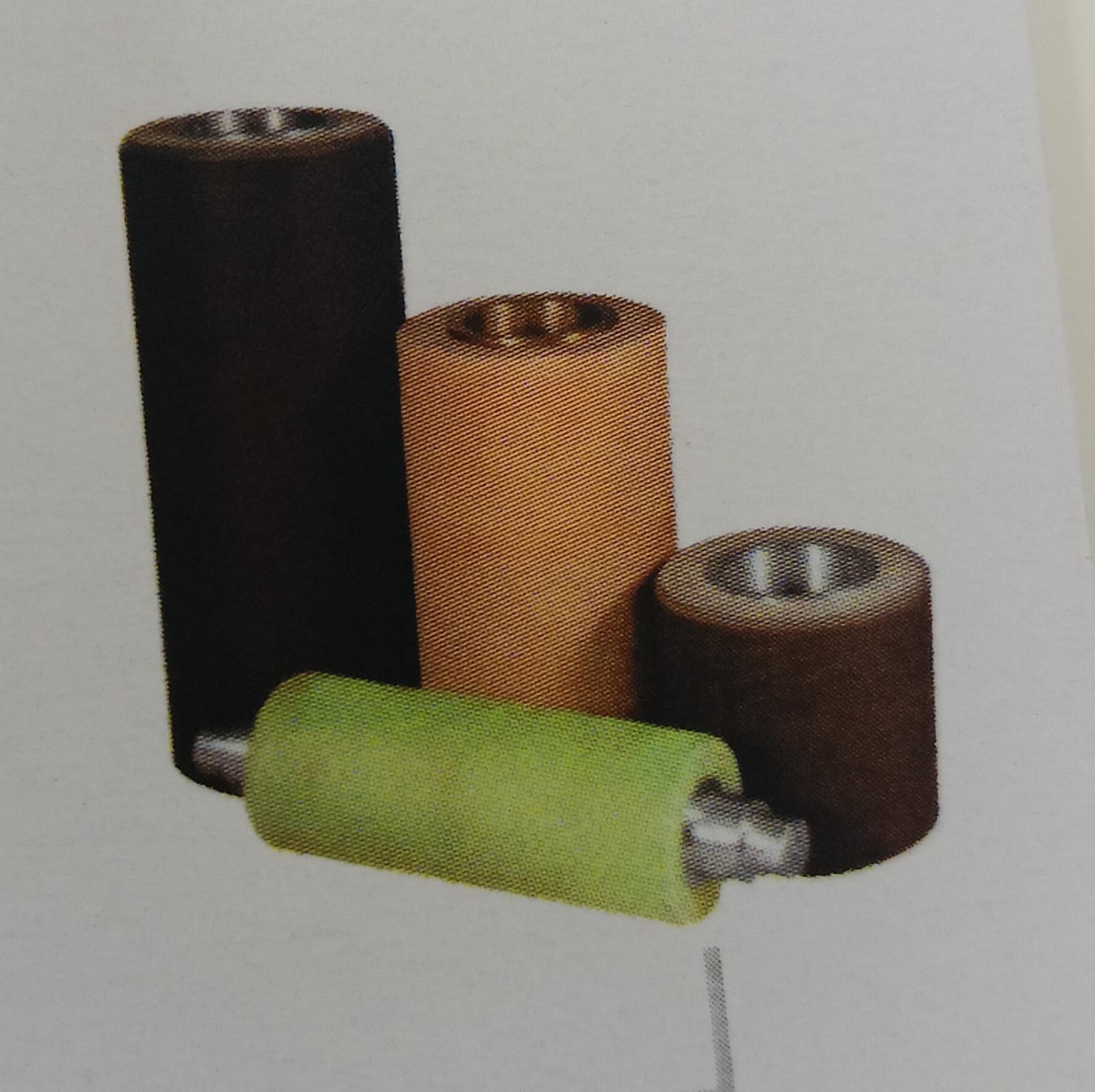 | Plastic Recycling Machinery The Pelletizer Rubber Roller from Ashwini Engineering Works is designed to provide smooth and efficient feeding support during the pelletizing... View product → |
Frequently asked questions
Where does a pelletizer rubber roller fit after shredder processing?
It fits later in the strand-pelletizing line, after the polymer strands cool and before the knives. It is not a shredder-discharge roller.
What does a pelletizer rubber roller do to the strand?
It grips and pulls cooled polymer strands at a controlled speed, feeding them consistently toward the pelletizer knives.
How does poor grip affect pellet length and line stability?
Slipping or inconsistent traction changes strand speed, producing uneven pellet lengths and causing unstable feeding into the knives.
How do you verify the right replacement roller before ordering?
Check the roller diameter, face width, rubber surface condition, shaft or bore dimensions, keyway details, and compatibility with the machine.