
A shredder feed fault can begin with a hopper bridge or blocked screen and appear much later as unstable strands, fluctuating die pressure, or uneven pellets. By tracing the material path and checking feed, melt, cooling, and cutting conditions in order, you can identify the real restriction instead of changing rotor speed at random.
Key takeaways
- Identify the rotor and line section before changing knife clearance.
- Check feed rate, strand cooling, contamination, and bridging before blaming the pelletizer.
- A starved or surging feed creates uneven pellet length and poor pellet quality.
- Match rotor geometry, knife speed, and shredder settings to the plastic material.
Which rotor and which part of the line are you troubleshooting?
“Pelletizer rotar” is normally a misspelling of “pelletizer rotor.” The pelletizer rotor is the rotating knife assembly that cuts cooled strands, hot die-face melt, or underwater pellets; it is not the shredder rotor. In pelletizer rotor troubleshooting, identify the component before changing knife clearance or speed.
| Component | Location | Function |
|---|---|---|
| Pelletizer rotor | Pelletizer cutting chamber | Rotates knives to cut strands or pellets |
| Shredder rotor | Shredder chamber | Tears or cuts incoming plastic |
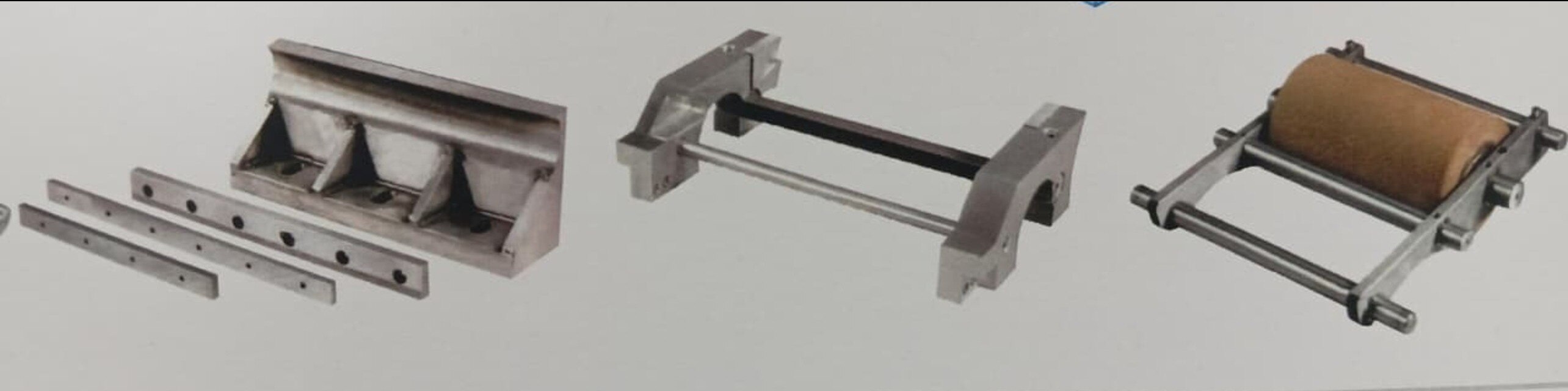
| Fixed or bed knife | Shredder or pelletizer frame | Provides the stationary cutting edge |
| Die face | Extruder outlet | Forms or cuts the molten polymer flow |
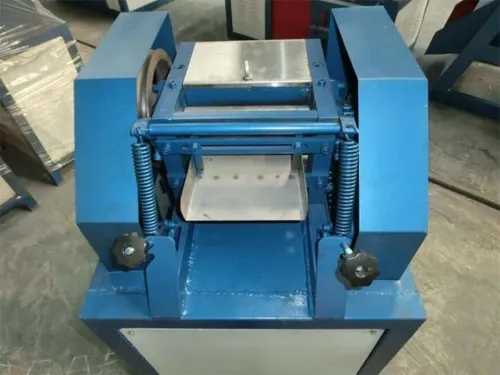
| Pelletizer rubber roller | Strand entry section | Pulls and guides strands toward the knives |
Material travels from the shredder feed hopper into the shredder chamber, through its screen, then along a transfer conveyor or chute to a surge bin. From there it enters the extruder, passes through the screen changer, exits the die, crosses the strand-cooling section, and reaches the pelletizer. Check that path in order.
A plugged screen, failed rotary valve, bridged hopper or surge bin, or blocked chute can starve the pelletizer while the shredder motor remains heavily loaded. The shredder may be recirculating packed material rather than supplying the downstream line, so check level sensors and interlocks before increasing rotor speed.
How do you separate a shredder feed problem from a pelletizer fault?
A pelletizer fault cuts an otherwise steady strand; shredder feed problems make the strand supply unstable before cutting begins. Check hopper level, transfer flow, extruder pressure, and pelletizer input together.
Bridging or rat-holing from film, woven sacks, labels, or hollow parts can starve the chamber, while uneven loading, overfeeding, wet or contaminated feed, long film wrapped around the shaft, oversized lumps, metal, and feed-rate surges create intermittent load changes. These are common plastic recycling line problems, not proof of a bad pelletizer rotor.
- Do not raise rotor speed first. Light film can circulate above the cutting zone, increasing motor current, frictional heating, and dust without improving intake. Use a hopper agitator, hydraulic pusher, or force-feed ram when the throat bridges.
- Inspect the screen. A plugged screen traps material inside the chamber and mimics a feed shortage; a worn or cracked screen passes oversize pieces downstream. Check the transfer chute, rotary valve, surge-bin level, and interlocks as well.
- Recalibrate a volumetric feeder after changing between loose film, hollow bottles, and dense regrind because equal mass occupies different volumes. Use gravimetric control when steady mass flow matters.
| Observation | More likely feed-side cause | Pelletizer-side clue |
|---|---|---|
| Motor current surges | Overfeeding, lumps, metal, wrapping | Current stays stable |
| Output pulses | Bridging, rat-holing, screen blockage | Steady extruder pressure |
| Oversize pieces | Cracked or worn screen | Consistent strand, poor cut |
| Strand breaks | Wet or contaminated feed, starvation | Stable feed but failed knife cut |
Why can a feed fault show up as bad pellets later?
A feed fault can become a pellet-quality fault because the pelletizer cuts whatever melt flow reaches it, not what the shredder was supposed to deliver. Uneven shredder loading or a blocked transfer path causes unstable extruder output, die-pressure fluctuations, strand misalignment, strand breakage, rotor starvation, and inconsistent pellet dimensions.
Long tails or incompletely cut strands point to excessive knife clearance, a dull or incorrectly sharpened knife, poor strand alignment, or insufficient cooling. Excessive fines point to knife-to-bedknife impact, excessive rotor speed, damaged knife edges, brittle material, or clearance set too tightly.
Moisture creates a separate trap in pelletizer rotor troubleshooting. Wet PET, PA, or PC can lose molecular weight and melt strength, producing bubbles and strand breaks that remain after mechanical rotor repairs. Mixed polymer grades, contamination, changing melt temperature, and uneven cooling also cause plastic recycling line problems, so check them before blaming the rotor.
1. Compare shredder motor current, surge-bin level, extruder output, and die pressure. A heavily loaded shredder does not prove that material is reaching the pelletizer; inspect the screen, chute, rotary valve, and bin for blockage or bridging.
2. Watch strand diameter, alignment, cooling-water flow, and pellet length together. A changing melt stream cannot be corrected by rotor-speed changes alone.
3. Check drying records and material identity, especially for PET, PA, and PC, before resetting clearance. Then inspect knife sharpness, knife projection, bed-knife condition, and clearance using the manufacturer’s procedure rather than a copied value.
What should you inspect before adjusting pelletizer rotor clearance?
1. Stop before changing clearance. In pelletizer rotar shredder troubleshooting, follow lockout and guarding procedures, then check for metal impact, smoke, severe vibration, rising motor current, bearing overheating, or repeated rotor-to-stationary-knife contact. Do not restart until the cause is isolated.
2. Inspect the cutting assembly and drive. Check rotor and knife edges, knife projection, bed-knife condition, shaft runout, bearing temperature, alignment, vibration, and drive current. Also inspect for discharge blockage, excessive strand tension, incorrect cooling-water temperature or flow, and changing pellet dimensions.
3. Separate imbalance from cutting interaction. With the machine isolated, remove packed material and check for loose knives, one-sided buildup, worn bearings, shaft runout, or rotor contact. Vibration that persists with an empty rotor points toward balance or mechanical condition; vibration that changes with material buildup, polymer type, or cutting load points toward interaction.
4. Set rotor-to-fixed-knife clearance only with the pelletizer manufacturer’s specified gauge or measurement procedure. Verify it after replacing knives, rotor bearings, or the bed knife; the correct value changes with polymer, strand diameter, throughput, melt temperature, knife geometry, and wear. Copying another machine’s setting can cause poor cutting or knife contact.
Before restarting, clear compacted polymer or tramp metal under lockout, confirm free rotor movement and unobstructed discharge, then return at controlled load according to the manual. Do not reset directly to full speed: a packed chamber can create a torque spike and repeat the trip.
How should you match a pelletizer rotor and shredder setup to the material?
Match the rotor and knives to the material’s hardness, flexibility, temperature, and contamination load—not to dimensions alone. For pelletizer rotar for shredder feed problems, first confirm whether you mean the pelletizer’s strand-cutting rotor or the shredder rotor; “pelletizer rotar shredder” can describe two different assemblies.
| Material | Rotor and knife choice | Screen and contamination control |
|---|---|---|
| Soft film | Open rotor, supported knife arrangement, durable edge with surface treatment that resists adhesive buildup | Prevent wrapping; use inspection, staged screening, and controlled feed |
| Rigid regrind | Heavier rotor construction, stable knife support, moderate clearance | Size the screen to prevent oversize recirculation; remove metal before cutting |
| Filled compounds | Wear-resistant knife grade and coating, verified balance, conservative clearance | Use a screen that tolerates abrasive fines; monitor edge wear |
| Glass- or mineral-filled PP/PE | Abrasion-resistant geometry and rotor, frequent clearance checks, precision balancing | Add source inspection and metal detection or non-ferrous separation where justified |
A harder or sharper knife will not cure dirty post-consumer feed. Aluminum, copper, and stainless-steel fragments can pass a simple ferrous magnet; use source control, inspection, magnetic separation, and suitable downstream detection. Excess hardness can also make an edge chip when it meets metal.
Request these details before buying or rebuilding:
- Machine model, polymer type, strand diameter, throughput, operating temperature, and rotor speed
- Knife geometry, clearance range, rotor balance data, and bearing arrangement
- Screen specification and cooling requirements
Ashwini Engineering Works is relevant when a replacement rotor, industrial cutting tool, screen, conveyor component, or related machinery part must be matched to those conditions.
Related products
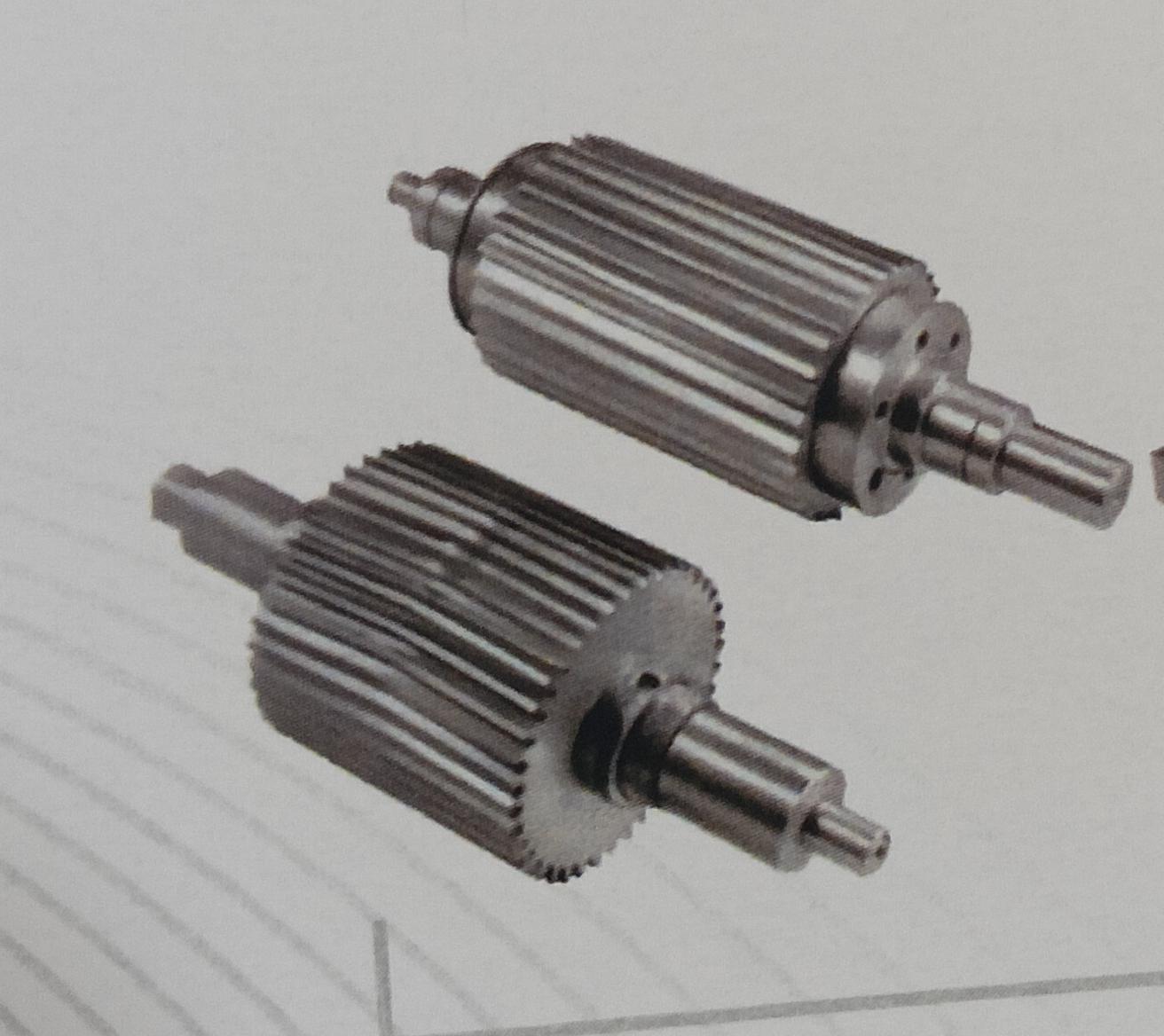 | Plastic Recycling Machinery The Pelletizer Rotor from Ashwini Engineering Works is specially designed for efficient and precise pellet cutting operations in plastic recycling... View product → |
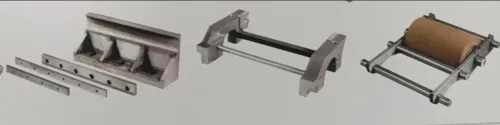
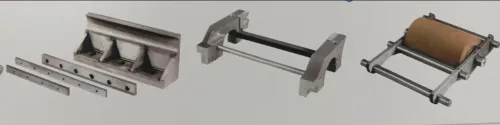
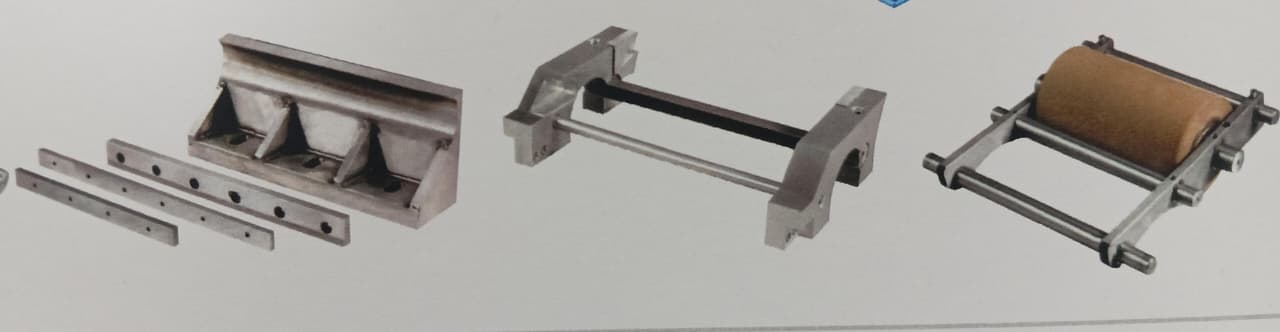 | Plastic Recycling Machinery The Pelletizer Spare Parts from Ashwini Engineering Works are manufactured to deliver reliable performance, precision, and long-lasting durability... View product → |
Frequently asked questions
How do you distinguish a shredder feed problem from a pelletizer fault?
Inspect material flow first. Check shredder discharge, hopper bridging, conveyor speed, strand continuity, and feed rate before changing pelletizer rotor clearance. A pelletizer fault remains at a stable feed, while a feed fault follows surging, starvation, or contamination.
Why can a shredder feed fault produce bad pellets later?
Irregular feed changes strand diameter, melt pressure, cooling time, and cutting load. The pelletizer then produces mixed lengths, fines, flattened pellets, or intermittent gaps even when its rotor and knives are correctly set.
What should you inspect before adjusting pelletizer rotor clearance?
Confirm the correct rotor, knife condition, knife seating, bearing play, die or strand alignment, cooling water or air flow, feed rate, and material contamination. Remove bridging and correct unstable upstream flow before changing clearance.
How should you match a pelletizer rotor and shredder setup to the material?
Match knife geometry, rotor speed, clearance, shredder screen size, and feed rate to polymer type, melt temperature, moisture, contamination, and product form. Film, rigid regrind, strands, and hot die-face melt require different setups.
Related product
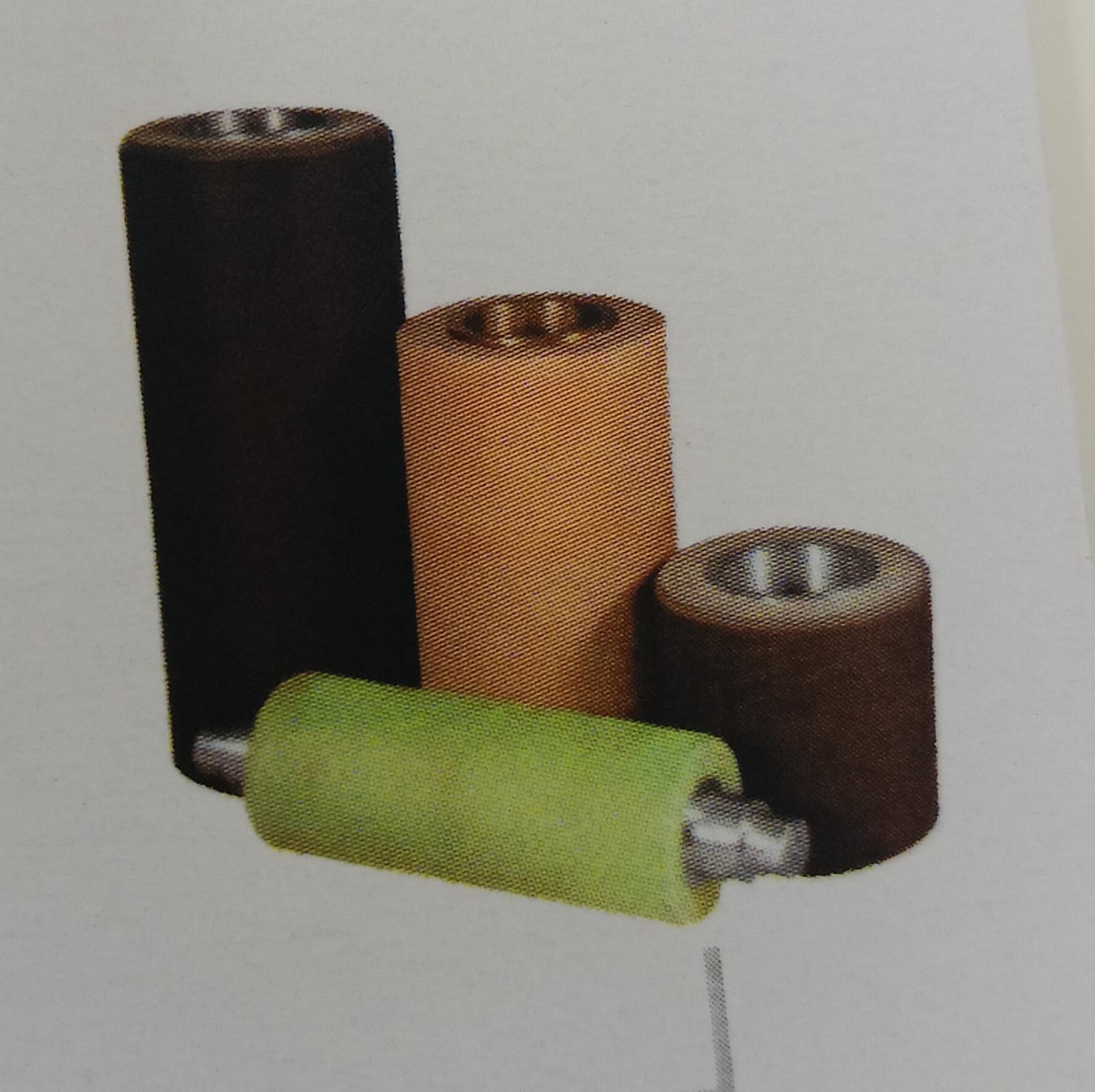 | Plastic Recycling Machinery The Pelletizer Rubber Roller from Ashwini Engineering Works is designed to provide smooth and efficient feeding support during the pelletizing... View product → |