
A gas designation alone does not identify the correct torch, nozzle, regulator or pressure setting for a Dana Cutter. By checking the machine configuration, feed conditions, cutting assembly and gas circuit in the right order, you can separate an upstream process fault from a genuine equipment failure and avoid unsafe adjustments.
Key takeaways
- Record the cutter model, fuel gas, torch head, nozzle, and regulator range.
- Inspect melt quality, strands, and die holes before adjusting cutter settings.
- Correct knife gap and strand speed before replacing cutter components.
- Isolate gas faults and apply hot-work controls before servicing the burner.
Identify the gas configuration before changing any setting
Record the complete machine and gas setup before changing a pressure, nozzle, or burner control. “dana cutters gas model” is not a sufficient identification: the troubleshooting path depends on the cutter model, fuel gas, torch head, nozzle, and regulator range.
- Photograph the machine nameplate, serial number, burner label, and control-panel designation. Write down the model code exactly.
- Record the fuel gas: acetylene, LPG, or propane. Note the regulator make, pressure range, current gauge readings, hose type, hose condition, check valves, and flashback arrestors.
- Copy the nozzle marking, orifice size, torch-head identification, and the nozzle manufacturer’s cutting-chart values. Do not substitute generic internet pressure settings.
- Record the material being cut, its thickness or form, operating temperature, and whether residues include PVC, fluorinated plastics, or unknown e-waste.
- Write down the symptom, production rate, last stable settings, and any recent nozzle, hose, regulator, or burner change.
Before dana cutters gas model troubleshooting, leak-test every connection with an approved leak-detection solution; never use a flame. Keep oxygen equipment free of oil and grease, and confirm every hose, regulator, valve, and arrestor is rated for the identified fuel and service pressure. Stop if the configuration cannot be verified.
A damaged nozzle or wrong gas rating can create a false pressure fault and an unsafe flame.
Check the melt, strands and die before blaming the cutter
If pellet size changes while strand diameter or haul-off speed is changing, suspect the extrusion line before the cutter. Unstable melt pressure, blocked die holes, worn die holes, or poor cooling can create dana cutter problems that look like knife or gap faults.
- Record the polymer, melt temperature, throughput and melt pressure. A pressure rise points to restriction or contamination; pressure cycling points to inconsistent feeding or melting.
- Inspect every die hole. A partial blockage reduces one strand, while a worn hole produces a larger strand; either condition causes uneven dana size and overloads the cutter. Confirm that all holes produce continuous strands.
- Measure strand diameter before it reaches the cutter. Variation there proves the cutter is receiving uneven material, not producing it.
- Check the cooling bath, water temperature and residence time. Hot, soft strands can stretch, stick together or form wet, clumped pellets even when the knives are correctly set.
- Compare haul-off speed with extrusion throughput and check strand tension. Excessive speed thins strands and causes breaks; low or fluctuating tension lets strands wander into the cutting head.
Run the line at steady pressure, temperature and throughput, then observe the cut. If strand diameter and tension remain stable but pellet length, fines, vibration or uncut strands persist, move to cutter-side checks. If the defect follows one die hole when strands are exchanged, repair the die or extrusion conditions instead.
Match pellet symptoms to knives, gaps and strand speed
Uneven dana size usually starts with the relationship between strand speed, cutter speed and knife condition. At a fixed rotor speed, increasing strand speed produces longer pellets; a slipping drive or unstable haul-off produces mixed lengths. A dull, chipped or unevenly set knife makes the variation worse.
| Symptom | Likely cutter-side fault | Check |
|---|---|---|
| Uneven dana size | Unequal knife height, excessive knife-to-bed gap, rotor runout | Inspect knife edge, measure the gap across the full width, and check rotor tracking |
| Uncut or long strands | Dull knife, gap too wide, cutter speed too low | Confirm the knife reaches the strand path and compare rotor rpm with strand speed |
| Excessive fines | Knife rubbing, gap too tight, chipped edge, excessive rotor speed | Look for dust at the cutting chamber and reset clearance to the machine specification |
| Clumping | Irregular cuts, hot pellets retained in the chamber, knife clearance changing | Check discharge flow, knife flatness and rotor alignment |
| Vibration or unusual noise | Loose knife bolts, unbalanced rotor, worn bearing or foreign material | Stop the cutter, isolate power, then inspect fasteners, bearing play and chamber contact |
Do not correct fines by simply increasing the gap; that can create uncut strands. Do not chase clumping with a faster rotor until you verify that pellets leave the chamber freely.
Record the knife type, installed clearance and rotor speed before changing one variable. If those values remain correct while strand diameter or tension changes, the fault is upstream rather than among these Dana cutter problems.
Troubleshoot gas supply, burner behaviour and hot-work risks
Separate a heating fault from a cutting fault by testing gas delivery before changing cutter settings. Dana cutters gas model troubleshooting depends on the exact machine, fuel gas, torch head, nozzle, hose and regulator range, so record the nameplate, serial number, nozzle marking and control-panel designation first.
1. Stop the machine, isolate the gas supply and apply the plant’s hot-work controls. Remove plastic dust, film, cable insulation and residues, isolate conveyors, obtain a hot-work permit and assign a fire watch.
2. Check the fuel-gas and oxygen hoses, fittings, valves, regulators and flashback arrestors for damage or leakage. If you smell gas or hear a leak, close the cylinder or supply valve, ventilate safely and call a qualified technician; do not relight the burner.
3. Compare regulator readings with the nozzle manufacturer’s cutting chart for the specified fuel, nozzle and material thickness. Do not copy generic LPG, propane or acetylene pressures from the internet.
4. Observe ignition and flame behaviour. A weak, unstable or uneven preheat flame points to supply, regulator, hose, torch or nozzle trouble; a stable flame with poor cutting points elsewhere.
5. Shut down and inspect the nozzle for spatter, oxide, slag or a damaged orifice. Clean it only with the manufacturer’s tip-cleaning tools, never a drill bit or steel wire.
6. Test on clean, identified metal after confirming ventilation and fume controls. Never gas-cut PVC, fluorinated plastics or unknown e-waste residues without a documented hazard assessment and suitable controls.
If heating is sound but the cut remains poor, return to cutter alignment, knife condition and strand or feed checks rather than increasing gas pressure.
Choose compatible spares and service support in Bengaluru
A low machine price does not prove support. For dana cutters in Bengaluru, verify the nameplate model, serial number, fuel gas, torch-head designation, nozzle marking, hose type and regulator range before accepting a quotation. “Dana cutters gas model” is not enough identification: acetylene, LPG and propane systems use different pressure settings and components.
Ask the supplier to confirm these items against your machine and fuel gas:
- Nozzle or tip matching the manufacturer’s cutting chart, not a generic internet pressure setting
- Compatible regulator repair kit, check valves and flashback arrestors
- Hose assemblies rated for the specified fuel gas and service pressure
- Replacement cutting head, manufacturer-approved tip-cleaning tools and seals
- A technician who can commission the recorded gas configuration under flowing conditions
| Verify | What to compare | Reject the offer when |
|---|---|---|
| Gas train | Fuel-gas rating, regulator range and hose specification | Parts are described only as “universal” |
| Torch system | Head designation, nozzle size and cutting-chart pressures | The seller cannot provide nozzle markings or chart data |
| Local support | Stocked spares, leak-test procedure and commissioning visit | Support stops at delivery |
Before a technician changes pressure, require a leak test with approved solution, never a flame. Keep oxygen equipment free of oil and grease.
Ask for pressure readings at the regulator and, where possible, at the torch while gas flows; an empty cylinder, clogged filter or restrictive arrestor can hide the fault behind a normal closed-torch reading. Ashwini Engineering Works can help compare the cutter configuration with replacement heads and related recycling-line components before parts are ordered.
Related product
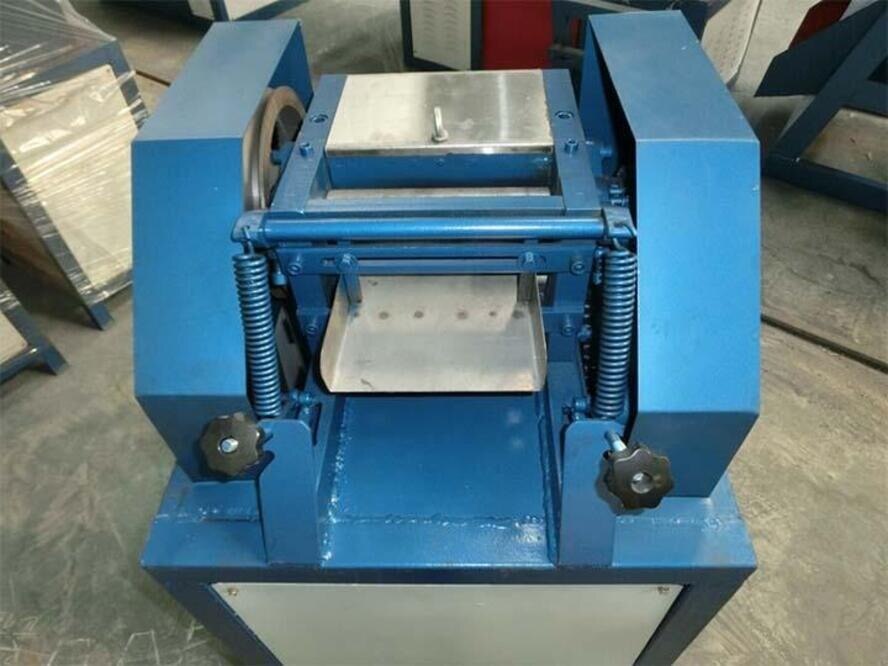
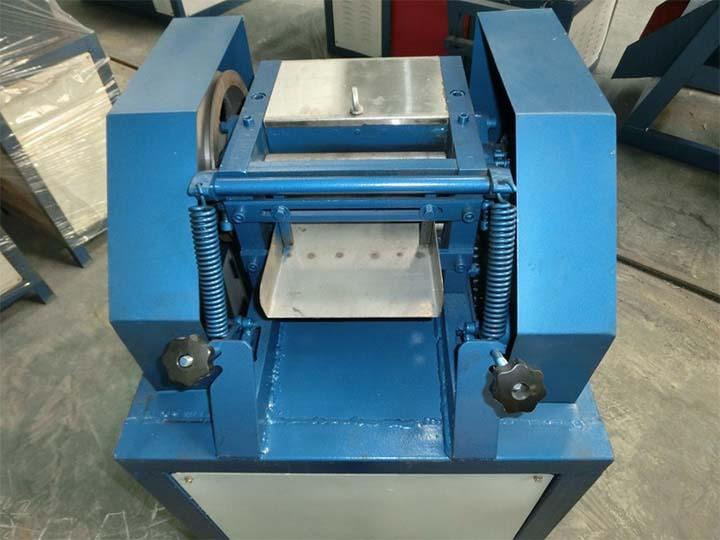 | Plastic Recycling Machinery A Dana Cutter (also called a plastic pellet cutting machine) is a crucial machine used in plastic recycling and extrusion lines to cut molten plastic... View product → |
Frequently asked questions
What should you identify before troubleshooting a Dana cutters gas model?
Record the complete cutter and gas configuration, including the machine model, fuel gas, torch head, nozzle, burner controls, and regulator range. Do not treat “Dana cutters gas model” as a complete machine identification.
Should you blame the cutter when pellet quality changes?
No. Check the melt, strand condition, and die face first. Blocked die holes, unstable extrusion, poor cooling, or inconsistent strand feed can create pellet defects that look like cutter problems.
How do knives, gaps, and strand speed affect pellet defects?
Match the symptom to the cutting conditions. Inspect knife sharpness and alignment, measure the knife-to-die gap, and confirm strand speed before changing cutter parts. These factors influence pellet length, fines, tails, and deformation.
What gas and burner checks belong in Dana cutter troubleshooting?
Check the fuel supply, regulator range, hoses, connections, nozzle, torch head, ignition, and flame behaviour. Shut down and isolate gas before service, and control hot-work risks around the burner and heated equipment.