
Condensation, rust flakes, polymer fines and trapped moisture can damage a pelletizer steel roller even when the machine is indoors. By the end, you will know how to inspect the roller, separate cleanable surface rust from replacement-level damage, maintain it through wet shutdowns and specify the right spare part.
Key takeaways
- Dry rollers after every wet–dry cycle to prevent condensation corrosion.
- Compare steel and rubber roller marks before ordering a pelletizer spare part.
- Inspect roller surface, diameter, bearings, seals, and alignment during monsoon checks.
- Replace rollers when pitting or diameter loss threatens pellet quality and safe operation.
Why Bengaluru’s Monsoon Accelerates Steel Roller Wear
High humidity is the starting point, but condensation causes most monsoon-related pelletizer steel roller wear. Bengaluru’s southwest monsoon, followed by a significant northeast monsoon period, creates repeated wet–dry cycles that leave steel damp even when rainfall never reaches the machine.
The damaging conditions usually include:
- Warm, moisture-laden air meeting a cooler roller after shutdown, forming a thin water film.
- Rainwater entering through an open loading bay, damaged guard, or poorly sealed access point.
- Wet floors and washdown residue keeping the lower frame, shaft ends, and nearby fasteners damp.
- Long idle periods that allow surface moisture to remain instead of being removed by operation and airflow.
A roller can rust indoors because indoor air is not dry air. A machine near a loading bay is exposed to humid air, while cooler steel surfaces reach the dew point first. Condensation then reaches bearing seats, shaft journals, and exposed fasteners, where orange rust develops and deeper pits follow.
Those pits become stress raisers and release abrasive rust particles during running. Dust, polymer fines, and metal fragments trapped between the roller and material path create three-body abrasion, scoring the surface and accelerating pelletizer steel roller wear.
Replacing the roller without stopping moisture entry repeats the failure. Control ingress, clean contamination, and dry the machine; hardness alone will not correct pelletizer roller monsoon conditions. Aggressive rust removal can also reduce diameter and change nip pressure or cutting geometry.
Steel Roller or Rubber Roller: Which Part Is Wearing?
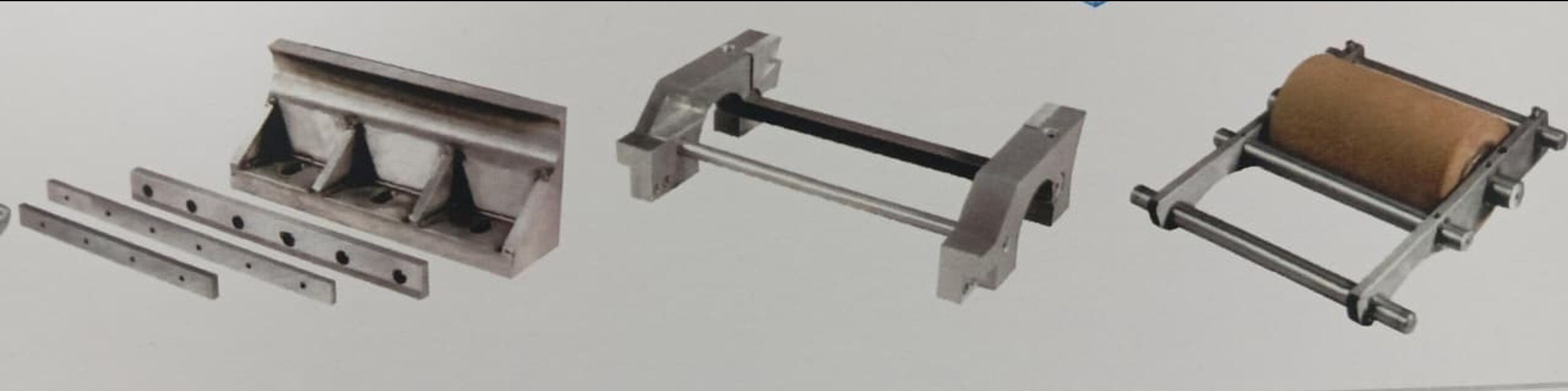
The steel roller supplies a hard, stable contact surface for traction, compression, or cutting, while the rubber roller provides compliant grip against the strand or feed material. Steel resists shape change but exposes rust pits, scoring, and runout; rubber conforms to small irregularities but develops glazing, flattening, cracking, or loss of friction.
| Part | Contact role | Wear clue | Feed implication |
|---|---|---|---|
| Steel roller | Drives or supports material against the nip | Orange rust, pits, scoring, or a polished strip | Slippage, uneven traction, vibration, or inconsistent pellet feed |
| Rubber roller | Grips and conforms to the opposing surface | Glazing, flat spots, cracks, or one-sided compression | Strand wandering, feed hesitation, or reduced pulling force |
Inspect both surfaces together. A continuous, even contact band points toward normal loading; contact on one edge, a wider mark at one end, or a visible gap indicates poor parallelism, shaft runout, bearing clearance, or incorrect alignment. Replacing only the steel roller will not correct that fault.
Metal fragments or hardened polymer between the rollers create local dents and recurring feed interruptions. During pelletizer roller monsoon conditions, humidity and condensation can make corrosion the trigger, but repeated one-sided wear usually identifies alignment, bearing, contamination, or excessive process loading.
Compare the rubber roller’s compression pattern with the steel roller’s wear track before ordering a pelletizer spare part.
The Monsoon Inspection Routine for a Pelletizer Roller
Inspect the roller at every shift start during Bengaluru’s monsoon, then repeat the check after overnight cooling, washdown, or any extended shutdown. Condensation can form on a cooler roller, shaft journal, bearing seat, or fastener even when the machine stayed indoors.
Dry the assembly before restarting; water left as a film becomes an electrolyte and starts corrosion.
A practical steel roller pelletizer maintenance check includes these observations:
- Surface: orange rust, dark pits, scoring, flat spots, rough patches, or compacted material on the contact face.
- Dimensions: finished diameter against the drawing or last accepted measurement; roller runout with a dial indicator; concentricity and bearing-seat condition.
- Operation: uneven contact with the mating roller, changing nip pressure, strand tracking, vibration, squealing, bearing heat, or abnormal noise.
- Lubrication: milky or separated grease or oil, rust-coloured purge, damaged seals, or lubricant quantity that has changed unexpectedly.
| Sign | What to check | What it indicates |
|---|---|---|
| Orange rust or residue | Wipe and inspect under good light | Moisture remains; clean and find the water source |
| Dark pits or scoring | Feel with a fingernail and measure depth if present | Corrosion or abrasive contamination is progressing |
| Runout or diameter change | Compare dial-indicator and diameter readings with specified limits | Contact pressure and cutting geometry may be changing |
| Heat, noise, or vibration | Compare with the normal operating condition | Bearing or shaft damage may be developing |
For a safety-critical roller, sample the lubricant or inspect the bearing instead of waiting for seizure. Record each reading; a trend is more useful than one acceptable measurement.
Clean, Machine or Replace: Deciding on a Pelletizer Spare Part
Clean flash rust; machine shallow damage only when measurements remain within drawing limits; replace the roller when pits, runout or seats compromise the fit. For a pelletizer spare part for steel roller wear during monsoon in Bengaluru, do not judge by colour alone.
- Wipe the surface with a clean, dry cloth and solvent approved for the machine. Orange film that transfers to the cloth, without a depression under a fingernail, is flash rust. A pit remains after cleaning and has a sharp edge or dark centre.
- Measure finished diameter with a micrometer at several axial and clock positions. Diameter loss, a reduced contact band or aggressive grinding that drops below the specified size requires machining or replacement because it changes nip pressure and cutting geometry.
- Mount a dial indicator and check roller runout and concentricity against the equipment drawing. A high spot that repeats each revolution points to runout, not surface dirt; grinding cannot correct a bent shaft or loose fit.
- Inspect shaft journals and bearing seats for scoring, fretting, raised metal, grooves or a bearing that rocks on the seat. A damaged journal or seat needs machining only if the manufacturer’s repair tolerance allows it; otherwise replace the roller or shaft.
- Check keyways, threads and shoulders for deformation. A damaged locating feature can shift the roller and overload bearings even when the barrel looks smooth.
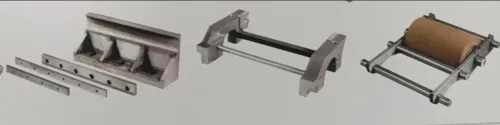
Ashwini Engineering Works can quote pelletizer spare parts in Bengaluru, but provide steel grade or hardness, diameter, allowable runout, finish, shaft and bearing-seat tolerances, keyway dimensions and corrosion protection requirements. A generic “steel roller” can fit physically and still run incorrectly.
Related product
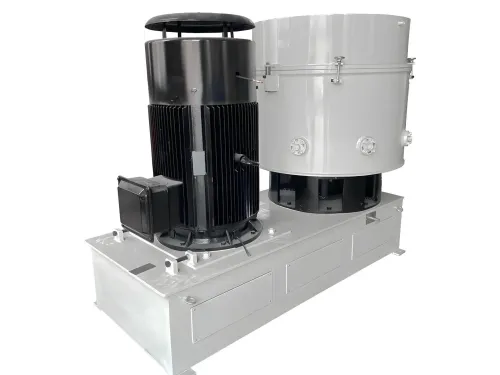
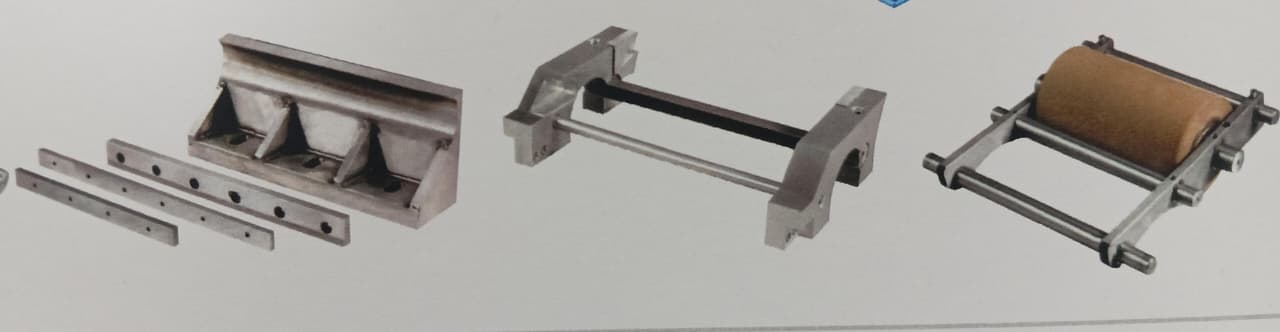 | Plastic Recycling Machinery The Pelletizer Spare Parts from Ashwini Engineering Works are manufactured to deliver reliable performance, precision, and long-lasting durability... View product → |
A Wet-Season Maintenance and Shutdown Procedure
After washdown, dry the steel roller, shaft ends, bearing housings and nearby floor before the machine cools. Condensation on cooling steel creates an electrolyte film, so steel roller pelletizer maintenance must cover idle periods, not only production hours.
| Situation | Action before restart or storage | Failure prevented |
|---|---|---|
| Washdown | Remove polymer residue, blow or wipe dry, inspect pits and flash rust, then check seals and bearing areas | Trapped water and flash corrosion |
| Overnight cooling | Inspect the roller at shift start; check for moisture, rust-coloured purge, noise and abnormal bearing temperature | Condensation damage and contaminated lubricant |
| Extended shutdown | Clean and dry fully, rotate the assembly if appropriate, apply specified temporary rust preventive to exposed uncoated steel | A loaded contact mark, pitting and seized bearings |
Do not grease a roller’s contact surface, add lubricant over water, mix incompatible greases or treat milky, separated grease as usable. Water contamination is not always visible; investigate damaged seals, vibration, noise and heat, and sample lubricant or inspect the bearing when the assembly is safety-critical.
Store spare rollers clean and dry. Use a compatible temporary rust preventive on machined steel, cap openings without trapping moisture, and use breathable wrapping or desiccant rather than sealing a damp roller in impermeable plastic. Inspect during repeated wet–dry cycles.
Before installation, remove preservative where it could contaminate polymer, reduce friction or change surface condition. For pelletizer spare parts in bengaluru, specify steel grade or hardness, finished diameter, runout, surface finish, shaft and bearing-seat tolerances, keyway or thread dimensions, and corrosion protection; “steel roller” alone is inadequate.
Frequently asked questions
Why does Bengaluru’s monsoon accelerate pelletizer steel roller wear?
Condensation creates repeated wet–dry cycles on exposed steel, promoting rust, pitting, and abrasive surface damage even without direct rain exposure.
How can you tell whether the steel roller or rubber roller is wearing?
Inspect pellet shape, roller surface marks, diameter changes, rubber hardness or cracking, and contact alignment to identify which roller is losing its working profile.
What should you inspect on a pelletizer roller during monsoon?
Check for rust, pitting, scoring, flat spots, diameter loss, bearing noise, seal damage, alignment errors, trapped moisture, and buildup around the roller.
When should you clean, machine, or replace a pelletizer steel roller?
Clean surface contamination when the roller remains dimensionally sound, machine light damage when enough material remains for the specified profile, and replace it when pitting, cracking, severe scoring, or diameter loss affects operation.
How should you shut down and protect a pelletizer roller during wet weather?
Stop and isolate the machine, remove residue, dry the roller and surrounding parts, inspect bearings and seals, apply the specified corrosion protection, and cover the equipment without trapping moisture.