
A pelletizer line in Bengaluru does not need high-speed blades simply because of its location. The correct choice depends on the pelletizer design, polymer and contamination level, throughput, target pellet size, rotor limits, and the evidence collected during a controlled blade trial.
Key takeaways
- Select blade speed from pellet length, strand diameter, and die-face design.
- Match knife material to abrasion, impact, polymer type, and contamination.
- Confirm cutter diameter, hub, hole pattern, rotation, and clearance before ordering.
- Check strand cooling, feed rate, die condition, and alignment before replacing blades.
Start With the Pelletizer, Not the Location
High-speed cutting is justified only when the line’s output and pellet target demand it; Bengaluru does not create a special blade-speed requirement. The question behind pelletizer high speed blades in Bengaluru is answered by the pelletizer’s design, polymer, strand diameter, die-face arrangement, cutter speed, and required pellet length.
Check these inputs before specifying a faster rotor:
- Output rate: higher kg/h can require greater cutting capacity, but not automatically higher speed.
- Polymer: soft polymers, heat-sensitive melts, and abrasive compounds impose different limits.
- Strand diameter: thicker strands need more cutting force and alter the required pellet length.
- Die-face arrangement: underwater, hot-face, and strand pelletizers use different cutting conditions.
- Target size: the required pellet length determines the relationship between strand travel and knife frequency.
- Rotor diameter: compare blade tip speed, not RPM alone. Tip speed equals π × rotor diameter × RPM ÷ 60.
For a strand pelletizer, pellet length is approximately strand speed ÷ (knife count × rotor revolutions per second). Increasing rotor speed is only one way to shorten pellets; changing knife count or strand speed can achieve the same result without excessive centrifugal load.
Do not use speed to compensate for contaminated feed. Recycled e-waste plastic can chip blades and increase fines. Run a defined-mass acceptance trial, record throughput and pellet-length distribution, then compare fines percentage and motor current. Log melt or cooling-water temperature and vibration. Measure blade life over that same mass.
Match Blade Material to Wear, Impact, and Feedstock
Choose the blade material by what reaches the cutter, not by a high-speed rating. Clean, unfilled PE, PP, or similar commodity polymers suit hardened tool-steel pelletizer cutting blades: they offer a tough edge, straightforward sharpening, and better tolerance of occasional impact.
High-speed steel adds edge hardness and heat resistance for sustained cutting, but it still dulls quickly against glass fibre or mineral filler.
| Material | Strength | Best fit |
|---|---|---|
| Hardened tool steel | Tough, economical, regrindable; moderate wear resistance | Clean polymer streams with low contamination |
| High-speed steel | Hard edge and good heat resistance; more difficult to sharpen | Clean, consistent feed where edge retention matters |
| Tungsten carbide or carbide-tipped | Highest abrasion resistance; resists rapid wear but can chip under impact | Glass-fibre, mineral-filled, carbon-filled, or well-cleaned recycled polymer |
| Carbide-equipped replaceable design | Replaces the worn cutting element and limits maintenance downtime | High-throughput abrasive lines with controlled contamination |
E-waste-derived plastic needs special caution. Glass fibre, mineral filler, dust, and metal fragments can chip carbide or destroy a steel edge; faster rotor speed will not correct that failure. Install magnetic and eddy-current separation where suitable, use melt filtration, and define an acceptable contamination limit before choosing the grade.
For unpredictable feed, favour a tougher steel or replaceable carbide design over an extremely hard solid edge. Specify the edge angle and clearance for the polymer’s hardness and melt behaviour, then verify blade life by kilograms processed, fines percentage, motor current, vibration, and pellet-length consistency.
A blade that lasts longer but creates impact chips is not an improvement.
Use Speed, Knife Count, and Geometry to Set Pellet Length
Pellet length follows a simple relationship: pellet length ≈ strand speed ÷ (knife count × rotor revolutions per second). Raise rotor speed or knife count to make shorter pellets; increase strand speed to make them longer. Do not choose a high-speed rotor before calculating the result you need.
| Factor | Change | Cutting result |
|---|---|---|
| Rotor speed | More revolutions per second | More cuts per second and shorter pellets, with higher centrifugal load |
| Tip speed | π × rotor diameter × RPM ÷ 60 | The meaningful edge-speed comparison; equal RPM can produce very different cutting loads |
| Knife count | Add knives to the rotor | More cuts per revolution and shorter pellets without raising rotor speed |
| Strand speed | Increase draw or haul-off speed | Longer pellets at the same cutter setting, with greater risk of stretch or unstable strands |
| Die-hole layout | Change hole count, spacing, or diameter | Alters strand count, diameter, spacing, and throughput; crowded or uneven strands can overload specific knife sections |
For strand lines, match the rotating pelletizer cutting blades to a correctly aligned bed knife. Excessive clearance creates tails, flattened pellets, fines, and variable lengths; tightening it will not fix a bent rotor or poor parallelism.
Die-face systems use different assumptions because the cutter works at the die, where melt pressure, die condition, and cooling control the cut.
Approve a setting only after recording throughput in kg/h, pellet-length distribution, fines percentage, motor current, melt or water temperature, vibration, and blade life over a defined mass. Faster cutting is not better if dust rises.
Check Compatibility Before Ordering Replacement Knives
A replacement knife that fits the holder can still damage a pelletizer. Approve the specification only after matching the machine’s mounting geometry, operating limits, and cutting arrangement.
1. Record the pelletizer manufacturer, model, rotor diameter, rotor width, die-face or strand configuration, knife count, and maximum permitted rotor speed. Compare tip speed, not RPM alone: π × rotor diameter × RPM ÷ 60. Omitting the rotor limit creates a safety and warranty risk.
2. Confirm the knife’s complete dimensions: length, width, thickness, bore, bolt-hole pattern, keyway, mounting orientation, and cutting-edge position. A correct outside size does not compensate for the wrong bore or offset.
3. Specify the blade grade, hardness, coating or wear treatment, edge angle, and permitted sharpening method. State whether the edge can be reground and the maximum material removable during each regrind; otherwise, a “replacement” can alter pellet length and clearance.
4. Require the supplier to state the allowable rotor runout, blade balance tolerance, and knife-to-bed-knife clearance. Excessive clearance produces tails, flattened pellets, and fines, while tightening it cannot correct a bent rotor or poor parallelism.
5. Give the supplier your polymer, strand diameter or die-hole layout, throughput in kg/h, target pellet length, melt or cooling-water temperature, and contamination limit. Glass fibre, mineral filler, metal fragments, and dust from recycled e-waste can chip an edge; higher speed will not cure that.
Ashwini Engineering Works can use these machine-specific details to distinguish a suitable pelletizer spare from a generic industrial knife. A Bengaluru installation does not justify a faster blade by itself; the line’s design does.
Related products
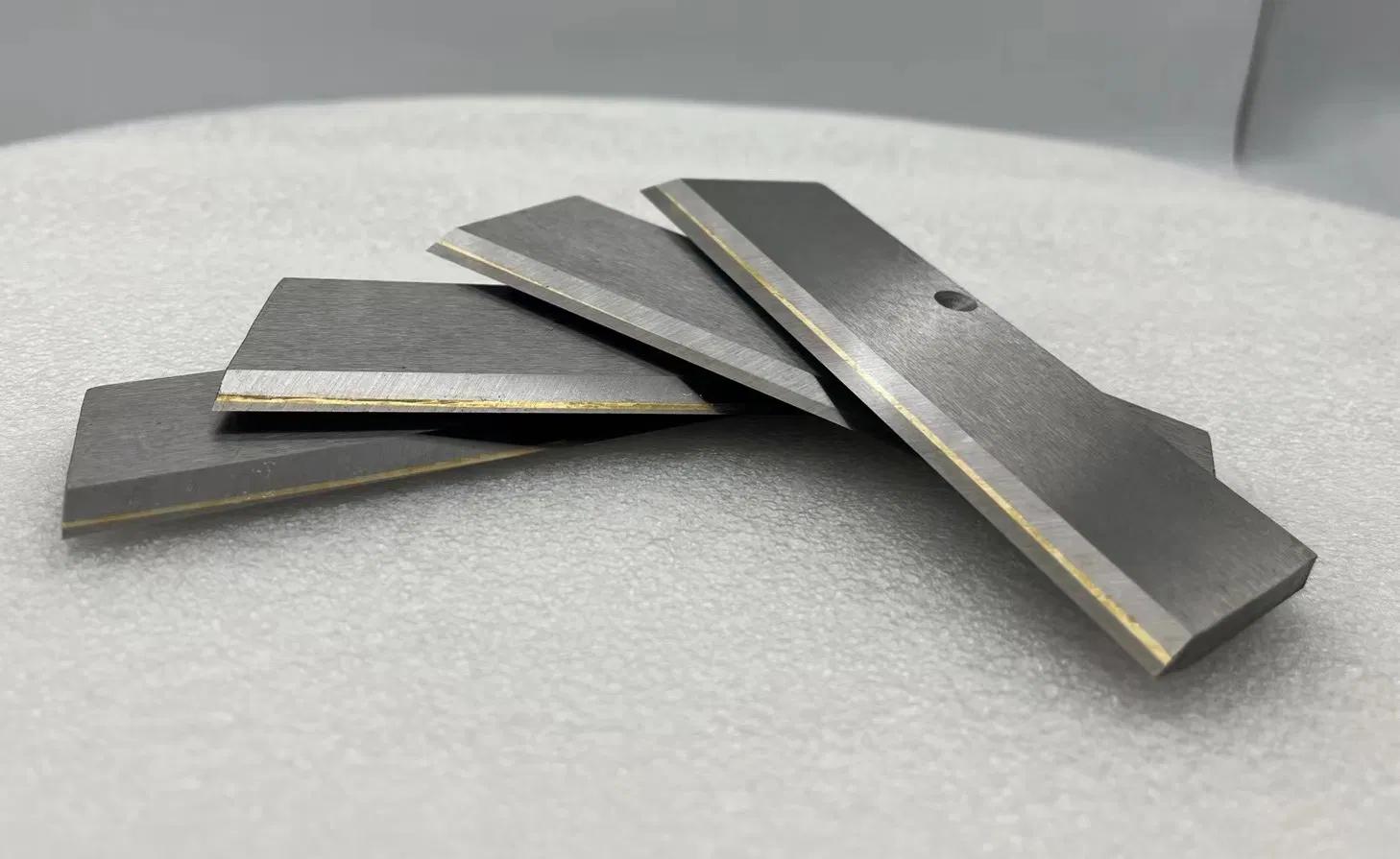 | Plastic Recycling Machinery & High-Speed Steel (HSS) Blades Industrial blades are critical components in machines like grinders, granulators, agglomerators, extruders, and dana... View product → |
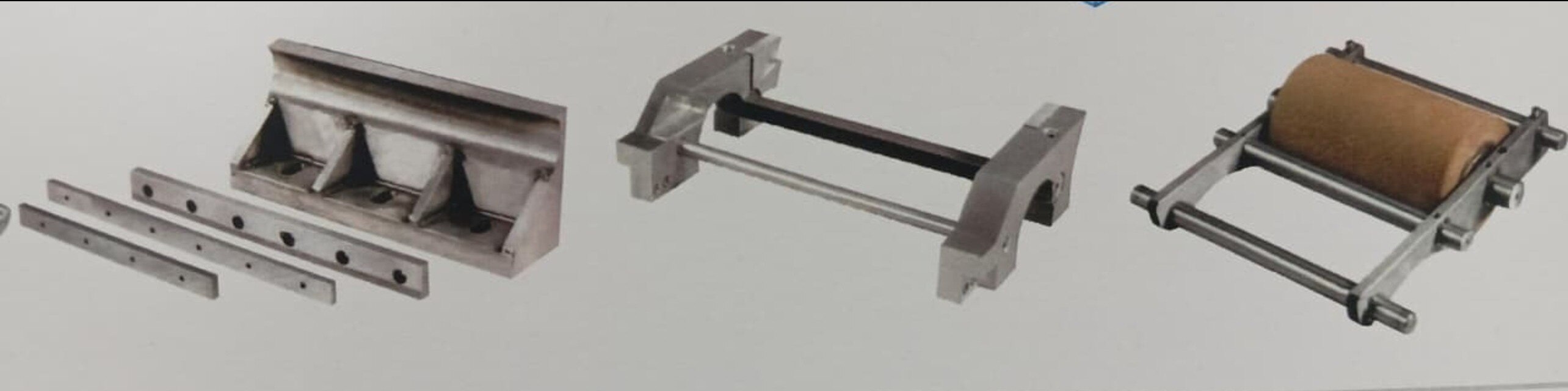
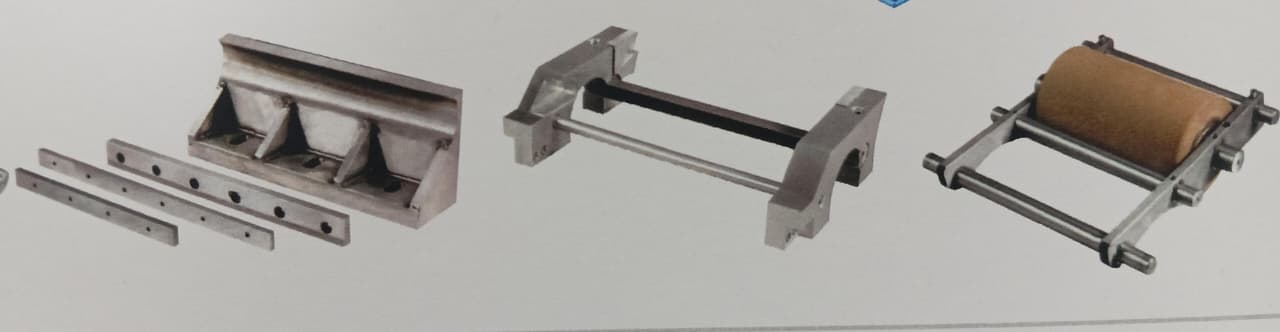 | Plastic Recycling Machinery The Pelletizer Spare Parts from Ashwini Engineering Works are manufactured to deliver reliable performance, precision, and long-lasting durability... View product → |
Diagnose the Line Before Blaming the Blade
A chipped edge is not proof that the cutter needs more speed. Diagnose the failure in this order before approving replacement pelletizer high speed blades in Bengaluru.
1. Stop the rotor and inspect every knife under magnification. A uniformly rounded edge, longer pellets, and rising motor load indicate wear; one damaged corner points to impact from metal, glass fibre, or mineral filler. Check the feed for fragments and confirm sorting, magnet use, and melt filtration.
2. Measure alignment, not by eye. Check cutter-to-die clearance, bed-knife contact, rotor runout, shaft play, and knife seating with a dial indicator. Uneven pellet length across the die face or a repeating scrape marks alignment, bearing, or rotor problems rather than a dull edge.
3. Check the feed and strand before changing knives. An unstable strand, varying diameter, or stretched strand causes irregular cuts in a strand line; verify draw speed, cooling-bath temperature, water flow, and strand entry. In underwater or hot-face systems, inspect die-face condition, melt pressure, cutter contact, and water temperature.
4. Compare operating data with the machine limits. Calculate tip speed as π × rotor diameter × RPM ÷ 60, then check rotor speed, melt temperature, throughput, and target pellet length. Excessive heat, pressure, vibration, or motor current signals a process or machine fault; faster blades will not correct it.
5. Record the failure pattern before choosing pelletizer machine blade selection in Bengaluru: polymer mix, fillers, contamination limit, blade grade, hardness, edge angle, and permitted rotor speed. This evidence prevents a material or cooling problem from being sold as a blade problem.
Frequently asked questions
Do pelletizer lines in Bengaluru need high-speed blades?
Not because of location. Choose blade speed from the pelletizer design, output, strand diameter, die-face arrangement, and target pellet length.
How do you choose pelletizer cutting blade material?
Match the material to feedstock abrasiveness, impact risk, contamination, polymer type, and expected wear rate.
How do speed and knife geometry affect pellet length?
Cutter speed, knife count, strand diameter, and knife geometry determine how frequently strands are cut and how consistently pellets are sized.
What should you check before ordering replacement pelletizer blades?
Verify cutter diameter, hub dimensions, mounting holes, knife orientation, rotation direction, thickness, edge position, and required clearance.
What should you inspect before blaming the pelletizer blade?
Check feed rate, strand cooling, die-face condition, strand diameter, cutter alignment, knife clearance, and drive stability.
Related products
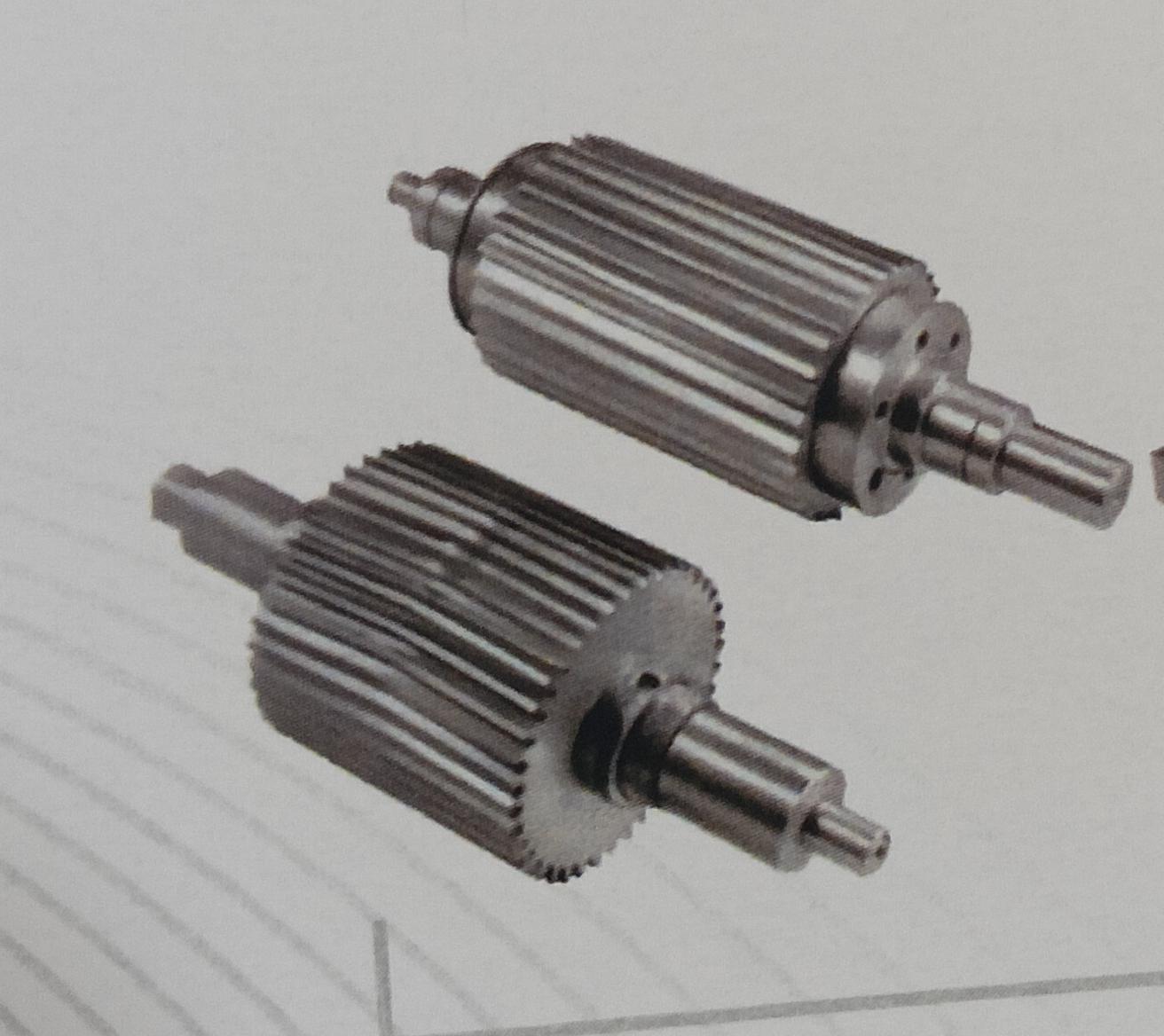 | Plastic Recycling Machinery The Pelletizer Rotor from Ashwini Engineering Works is specially designed for efficient and precise pellet cutting operations in plastic recycling... View product → |
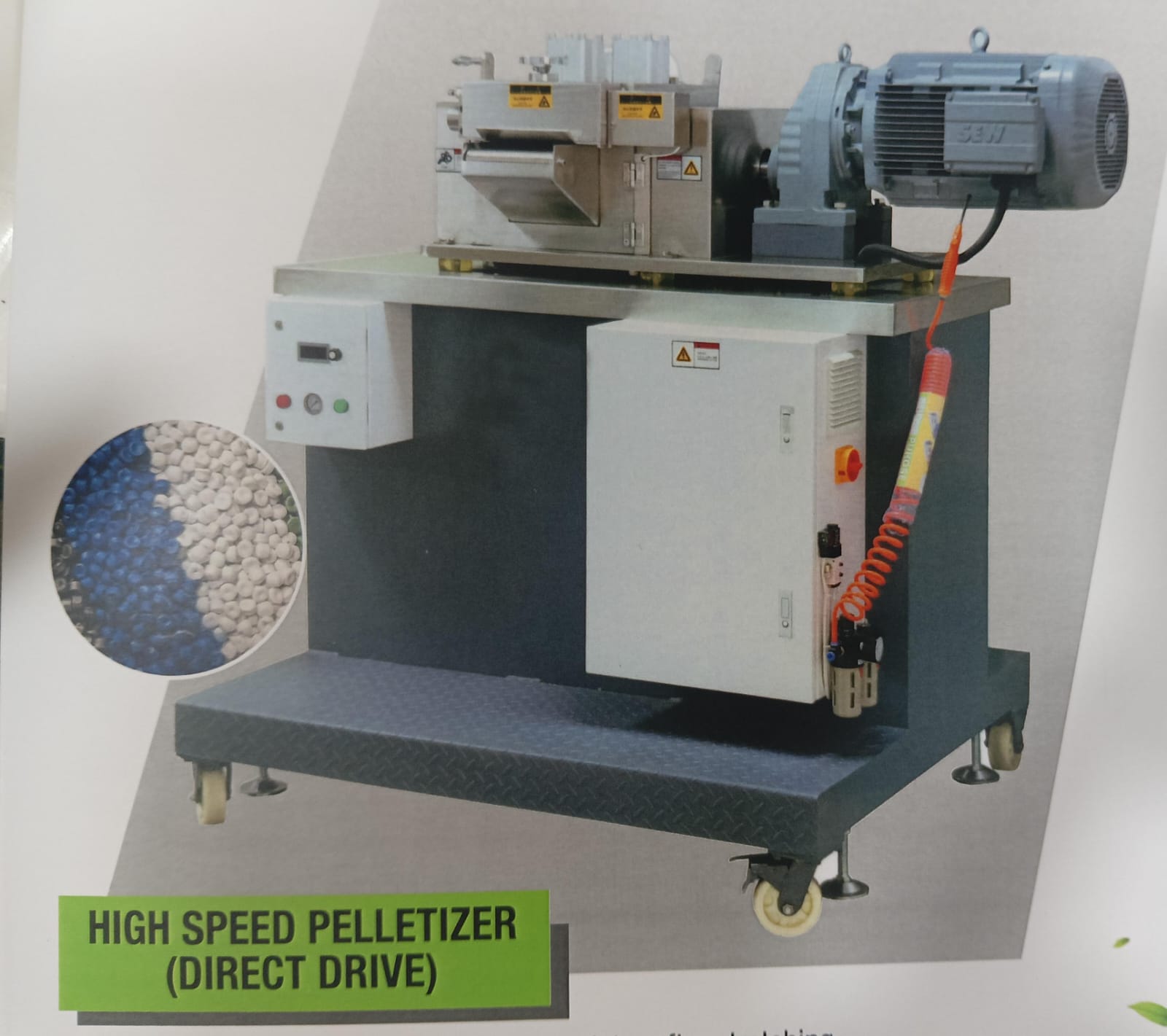 | Plastic Recycling Machinery High-performance machines used to convert melted plastic strands into uniform plastic pellets. View product → |
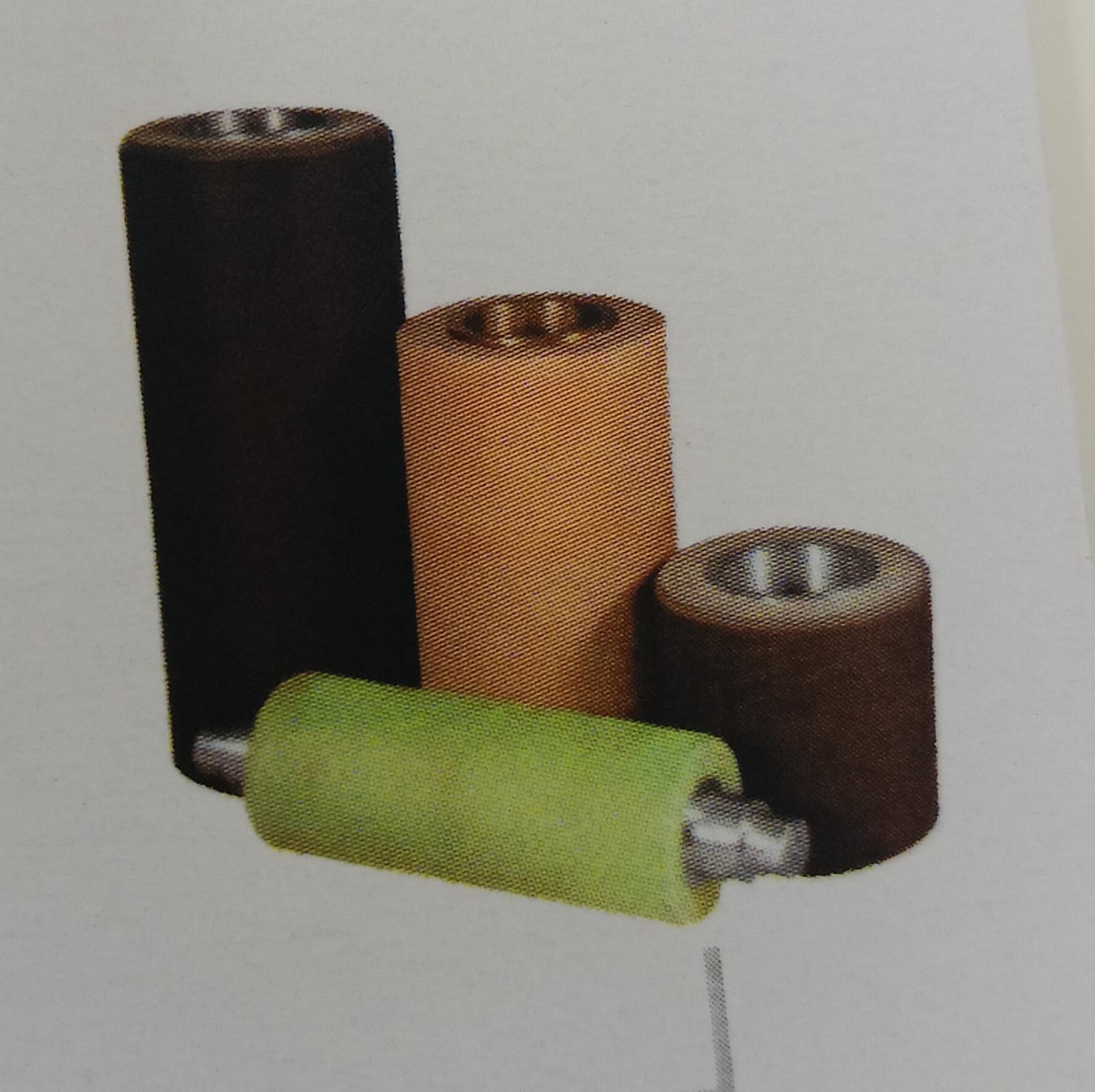 | Plastic Recycling Machinery The Pelletizer Rubber Roller from Ashwini Engineering Works is designed to provide smooth and efficient feeding support during the pelletizing... View product → |
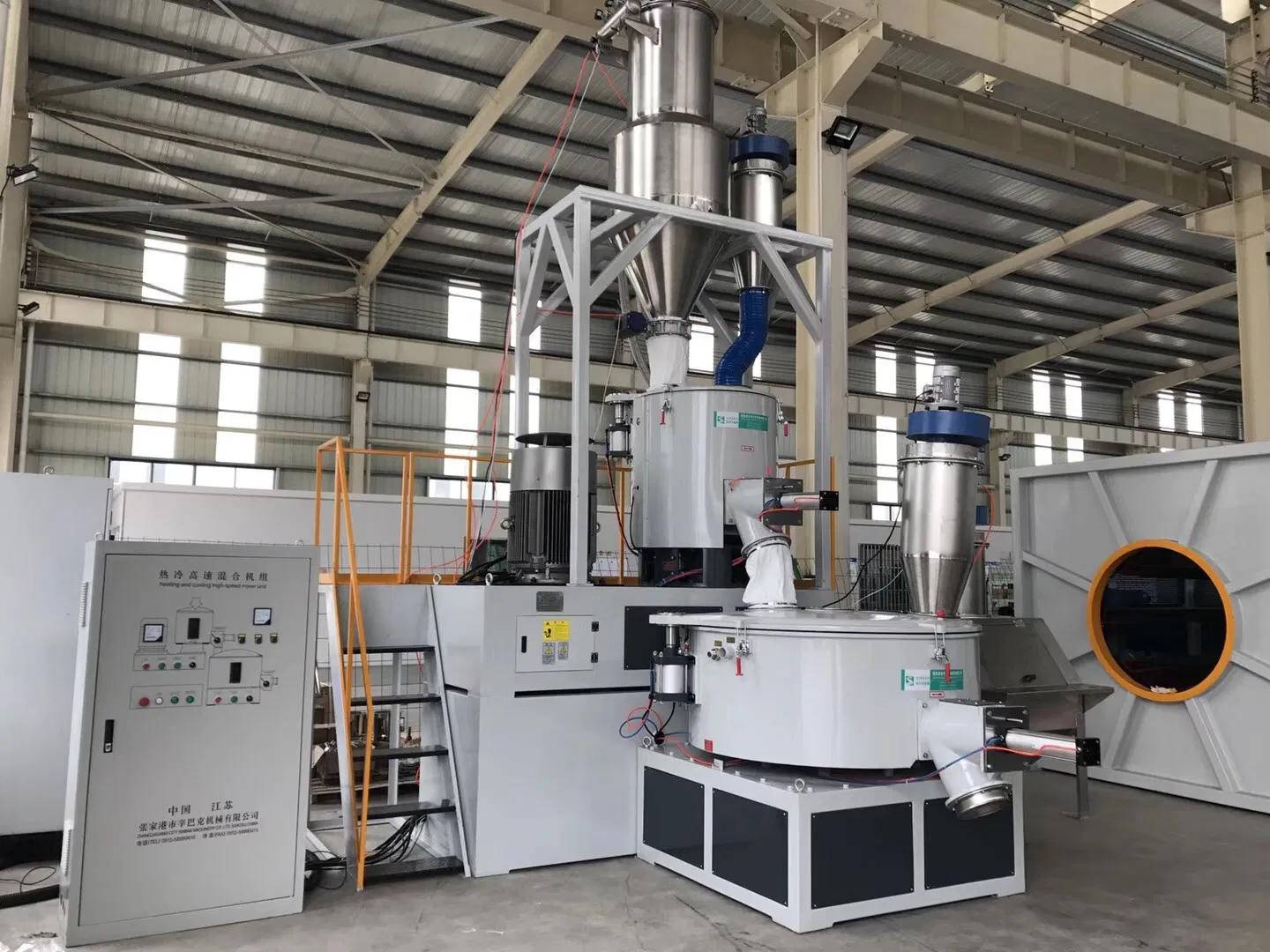 | Plastic Recycling Machinery High-Speed Mixers (Industrial Plastic Mixing Machines) What is a High-Speed Mixer? A High-Speed Mixer is an industrial machine used to mix, heat, and... View product → |