
A plastic lump is not the same feed as a clean, continuous molten strand, so sending it directly into a pelletizer can cause bridging, slipping, strand breakage, and cutter damage. You will learn how upstream size reduction and melting prepare the material, how the rubber roller controls the finished strand, and which operating and inspection details determine whether the line produces consistent pellets.
Key takeaways
- Use a compliant rubber roller for irregular lumps that need controlled cutter feeding.
- Reject oversized, hard, or highly contaminated lumps before they reach the roller.
- Match roller hardness, diameter, and speed to the material and cutter rate.
- Inspect roller wear, buildup, alignment, and feed temperature when pellets change.
What counts as a plastic lump before pelletizing
A plastic lump is an irregular, solid or partly fused mass such as a compacted purge, film agglomerate, or chunk of mixed scrap. It does not arrive as the narrow, continuous strand that a conventional strand pelletizer can grip and pull at a controlled speed.
| Material form | Conventional strand | Plastic lump |
|---|---|---|
| Shape | Uniform, continuous filament | Uneven mass with thick and thin sections |
| Condition at feed | Cooled enough to hold its shape | Partly melted, fused, compacted, or rigid |
| Roller response | Nip grips and advances it steadily | Mass can bridge the nip, slip, deflect, or overload the roller |
| Required preparation | Cooling and strand guidance | Shredding or granulation, remelting, filtration, and strand formation |
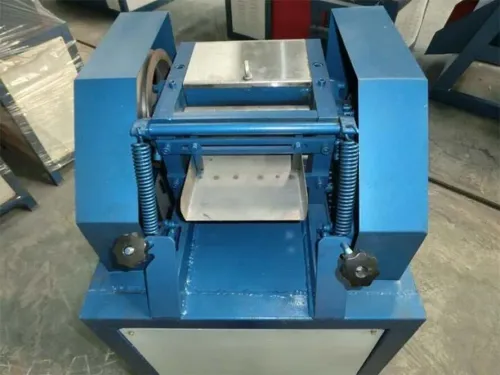
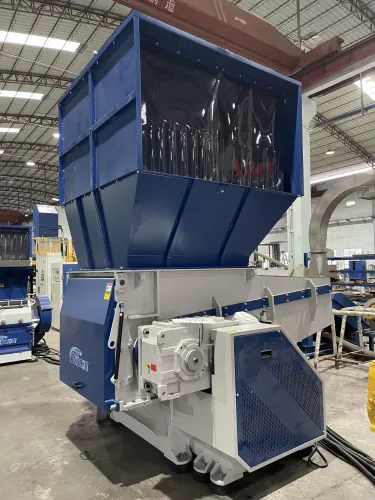
The rubber roller is a puller, not a lump cutter. It works after a shredder, granulator, or similar plastic cutting recycling plastic machinery has reduced the material and an extruder has produced a filtered strand.
Feeding an oversized or contaminated plastic lump directly into the nip creates a sizing and safety problem; metal, glass, stones, and hard filler can score the roller and cutter.
How the rubber roller moves prepared material into the cutter
By the time material reaches the rubber rollers, an upstream shredder or granulator has already reduced the lump, and an extruder has melted, filtered, and formed it into a reasonably continuous strand. A solid agglomerate cannot pass through this nip reliably; it may bridge the gap, move sideways, or damage the roller.
1. The cooled strand enters the nip between the rubber roller and its opposing roller. The rubber surface yields slightly, increasing contact around the strand instead of relying on a hard, narrow pinch point.
2. Rotation pulls the strand forward at a controlled line speed. The roller’s compliant grip limits slip and cushions small changes in strand diameter, so a thick section does not stop the feed while a thin section races ahead.
3. The roller keeps the strand aligned as it leaves the nip. Water cooling must have made it solid enough to resist flattening; a hot, tacky strand can smear onto the roller, while a brittle strand can break under the same pull.
4. The guided strand travels directly into the rotating cutter, where knife-to-bed contact divides it into pellets. The roller does not perform that cut or break down contamination.
That is where the pelletizer rubber roller for plastic lump benefits begin: it converts irregular upstream output into steadier cutter feed. Metal, glass, stones, and mineral fragments still require separation before the roller, because they can score both rubber rollers and cutter surfaces.
Why compliant grip improves pellet consistency
Key pelletizer rubber roller for plastic lump benefits include steadier traction after upstream preparation has turned the material into a continuous strand. The roller is not breaking the original agglomerate; it pulls the cooled strand toward the cutter. Direct lump feeding can bridge the nip and defeat consistent conveying.
At the nip, the compliant rubber surface deforms around small changes in strand diameter and maintains contact without crushing the strand. This grip reduces slip, so line speed stays closer to the cutter’s intended feed rate. Less intermittent contact also prevents surging, where the strand alternately accelerates and stalls.
Stable traction gives the strand-forming system an even pull, helping produce a continuous strand instead of thin spots, loops, or breaks. The cutter then sees nearly constant strand speed; because pellet length depends on feed distance per knife revolution, pellets stay closer to the set length.
A slipping roller creates short pieces, long pieces, and occasional tails.
Temperature still controls whether compliance helps. A strand that reaches the nip too hot can smear onto the roller and deform, while poor cooling can also weaken strand formation. Check cooling and nip pressure before blaming the cutter for length variation.
When a rubber roller is the wrong tool for a lump
A plastic lump must be reduced and remelted before it reaches a strand pelletizer. Feed compacted purge, fused film, or an irregular chunk directly into the rubber nip and it can bridge, deflect, overload, or score the roller; the roller is designed for continuous cooled strands, not solid lumps.
| Machine | Job | Required result |
|---|---|---|
| Shredder | Breaks oversized purge and compacted scrap | Pieces small enough for controlled granulation |
| Granulator | Produces a narrower, more uniform feed | Consistent flakes without large pieces that can bridge |
| Extruder with screen changer | Melts and filters the cut material | Stable melt pressure and a clean, continuous strand |
| Magnet, metal detector, or reject system | Removes metal and hard contaminants | No debris that can cut the roller or cutter |
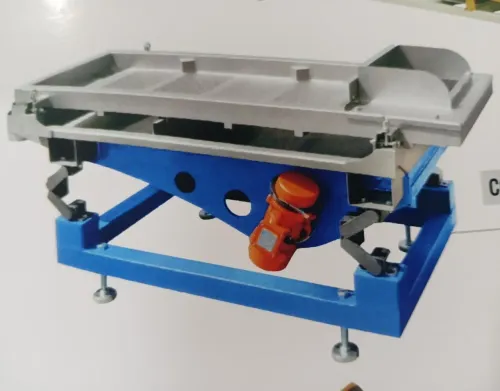
Use plastic cutting recycling plastic machinery before the pelletizer, then confirm these conditions:
- The cut feed is uniform and free of pieces that can block the extruder throat.
- The melt is fully plasticized and filtered; the rubber roller cannot remove stones, glass, metal, or abrasive filler.
- The die produces a continuous strand with a stable diameter.
- A water bath or equivalent cooling stage brings the strand below its sticking point before the nip.
- Melt temperature, strand temperature, line speed, and roller compound remain within their rated limits.
Send the plastic lump directly to the roller only if the equipment supplier explicitly designed the unit for that geometry.
How to choose the roller and compare feeding alternatives
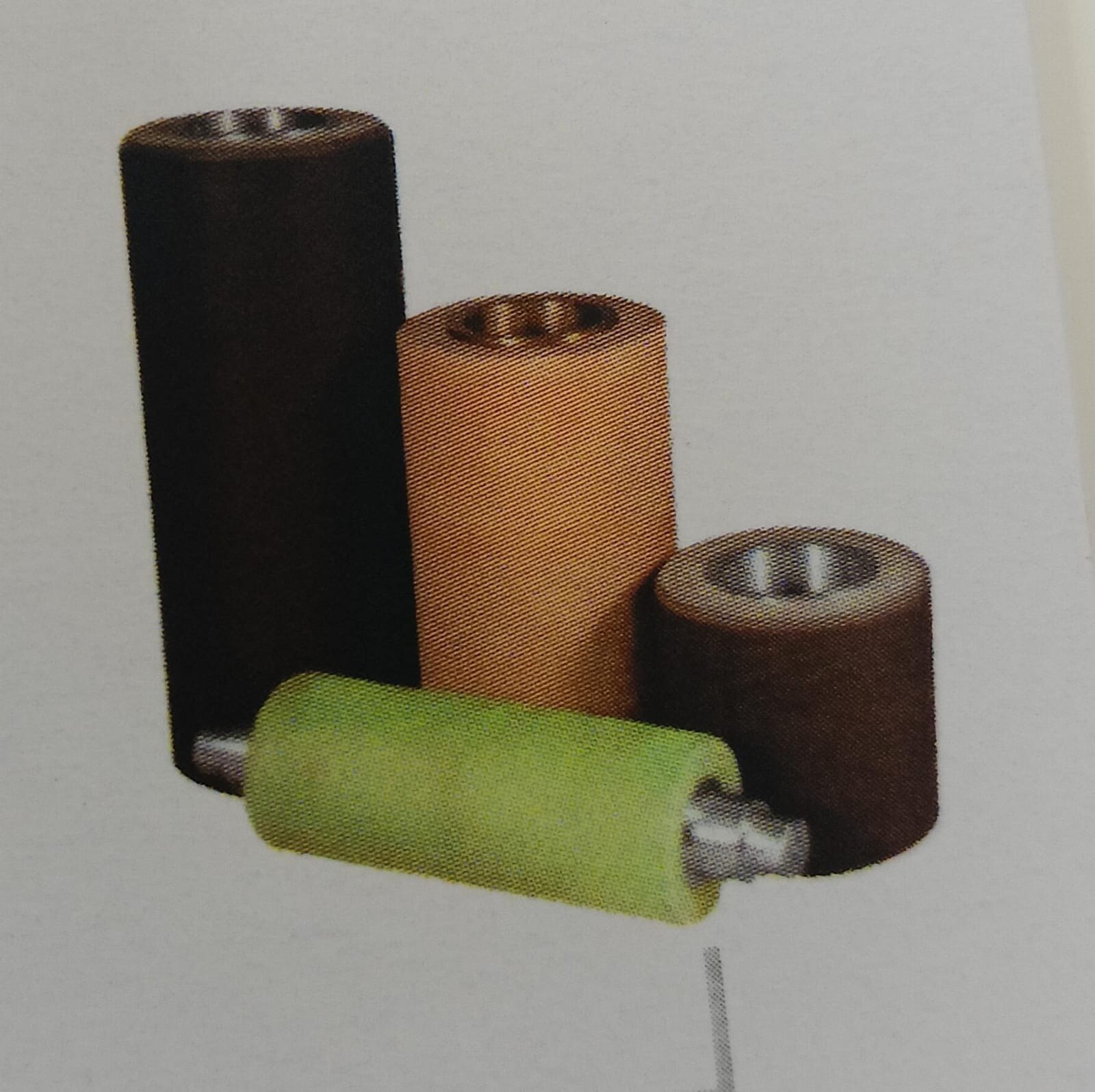
Choose the roller compound and nip settings from the feed conditions, not from pellet size alone. Nitrile rubber suits oily residues, while EPDM fits hot-water exposure but performs poorly with petroleum oils. Polyurethane resists abrasion and tearing. Confirm the compound’s temperature limit with the supplier; heat, plasticizers, and filler can cause swelling, glazing, or hardening.
| Option | Construction and setting | When it applies |
|---|---|---|
| Clean, continuous strand | Match compound to melt temperature; set nip pressure just high enough to prevent slip, then match roller speed to line speed | Best feeding method after extrusion and cooling |
| Abrasive or contaminated feed | Use abrasion-resistant polyurethane, reduce exposed hard particles, and install a magnet, metal detector, screen, or reject system upstream | Use after grinding and filtration; metal, glass, and stones can score rubber rollers and cutters |
| Oily or plasticized polymer | Select oil-compatible nitrile or a supplier-approved compound; lower pressure if swelling reduces clearance | Use when lubricant, oil, or plasticizer reaches the roller |
| Irregular lump | Do not compensate with excessive nip pressure; use a grinder or shredder, then an extruder and melt filter | Direct lump feeding can bridge the nip, damage the roller, and surge |
Size the roller and drive for peak throughput, not the average rate. If the line cannot form a reasonably continuous strand, the roller is the wrong feeding method.
For plastic cutting and recycling plastic machinery, Ashwini Engineering Works can help specify the roller against your polymer, contamination, temperature, and target line speed rather than treating every feed as identical.
Related product
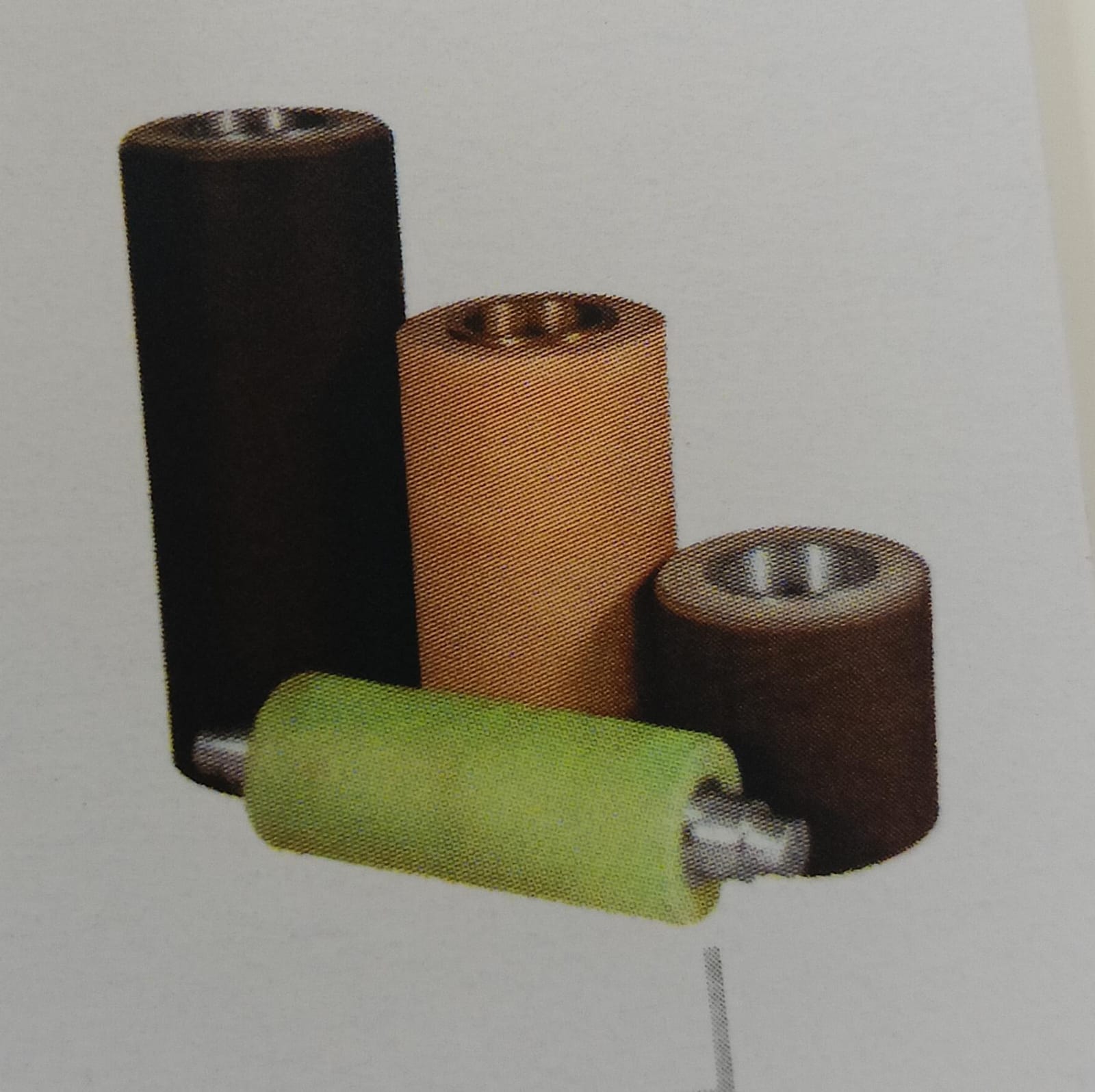 | Plastic Recycling Machinery The Pelletizer Rubber Roller from Ashwini Engineering Works is designed to provide smooth and efficient feeding support during the pelletizing... View product → |
What to inspect when feed quality starts changing
A sudden change in pellet length or strand speed signals a fault, not merely poor feed. Inspect the roller and process in this order:
| Symptom | Inspect first | Likely clue |
|---|---|---|
| Pellet lengths vary | Roller surface and nip gap | Worn, glazed rubber or uneven pressure |
| Strand slips or stalls | Nip pressure, alignment, and roller wear | Insufficient grip or a distorted nip |
| Feed pulses | Bearings, coupling, and drive speed | Bearing drag, shaft runout, or drive fluctuation |
| Roller runs hot | Bearings and cooling around the nip | Bearing failure or excessive compression |
| Cuts or dark marks appear | Roller surface and incoming material | Metal, glass, grit, or degraded polymer |
Pelletizer rubber roller for plastic lump benefits disappear when the upstream feed changes beyond the roller’s range. Check lump size, melt temperature, screen condition, and strand diameter; contamination requires separation or rejection upstream. Stop the line for cracked rubber, exposed reinforcement, loose bearings, or repeated bridging.
Frequently asked questions
What counts as a plastic lump before pelletizing?
A plastic lump is an irregular solid or partly fused mass, including compacted purge, film agglomerate, or mixed-scrap chunks, rather than a continuous strand.
How does a rubber roller move plastic lumps into the cutter?
The roller applies controlled pressure and friction, compressing prepared material against a support surface and guiding it into the cutter at a steadier rate.
Why does compliant grip improve pellet consistency?
A compliant rubber surface follows uneven lump shapes, reduces slip, and helps maintain a more uniform feed rate into the cutter.
When is a rubber roller the wrong tool for a plastic lump?
It is unsuitable for lumps that are too large, hard, contaminated, hot, or poorly prepared for the roller and cutter arrangement.
What should you inspect when feed quality starts changing?
Inspect roller wear, rubber buildup, hardness, alignment, pressure, speed, material temperature, lump size, and cutter condition.