
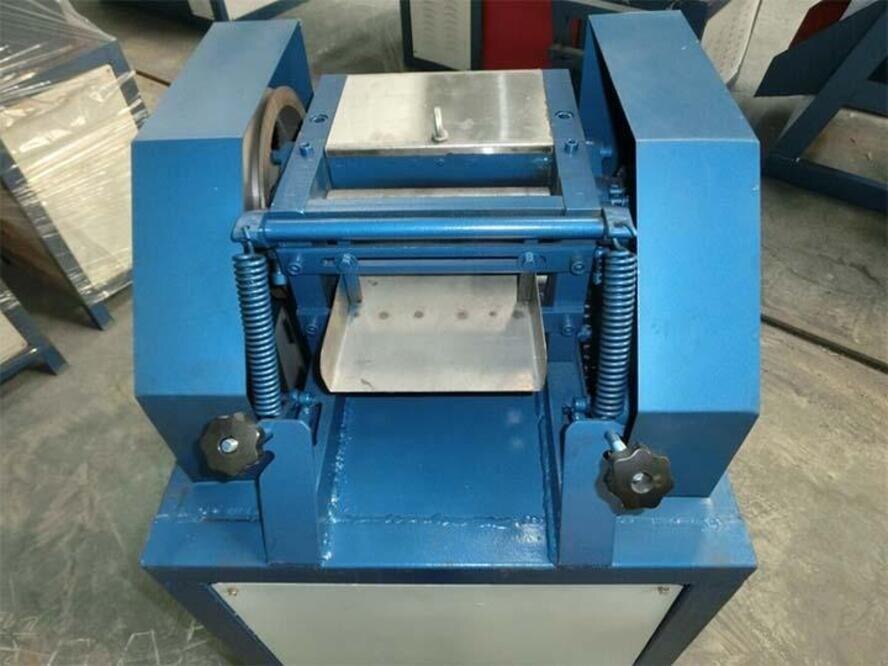
A hard-facing layer can preserve a cutting edge, but it can also alter edge geometry, clearance, balance, and cutting force. By separating throughput from pellet quality and using a controlled inspection and trial sequence, you can identify whether the change comes from the blade, the cutter settings, or the extrusion process.
Key takeaways
- Hard facing extends edge life but does not automatically increase cutting capacity.
- Set blade clearance, rotor speed, feed rate, and screen condition together.
- Separate blade wear from feed, screen, alignment, and material problems.
- Compare output, energy use, fines, and downtime before and after fitting.
What hard facing changes on a Dana cutter blade
Hard facing changes a Dana cutter blade by adding a wear-resistant welded or deposited layer to the working edge or face of a base blade. It is a treatment, not a material name by itself.
On glass-filled plastics, mineral-filled compounds, and abrasive e-waste polymers, the overlay can retain an effective edge longer, but carbide-rich deposits can chip when screws, stones, metal, or thick inclusions strike the edge.
| Option | Base steel grade | Overlay or cutting material | Thickness and hardness | Toughness and repairability |
|---|---|---|---|---|
| Hard-faced blade | Alloy tool steel or other specified base steel | Welded carbide-rich or wear-alloy deposit | Deposited layer; hardness varies by alloy and process | Tougher than solid carbide in some designs; grind, re-weld, and repair |
| Solid tungsten carbide blade | Cemented tungsten carbide | Carbide throughout | Solid material; very hard | Abrasion-resistant but brittle; limited repairability |
| Carbide-tipped blade | Steel body | Brazed or mechanically fixed carbide tip | Tip thickness and hardness are fixed by insert | Replace the tip or blade; impact can fracture the tip |
| HSS blade | High-speed steel grade | No separate overlay | Uniform steel hardness | Tougher than carbide; resharpenable and repairable |
Welding heat can bow the blade, create edge runout, crack the heat-affected zone, or leave unequal deposit thickness. A thicker overlay also changes edge thickness, rake angle, relief angle, and blade-to-counterknife clearance; fitting the rotor does not prove dimensional identity.
Check the refurbished blade before installation:
- Measure flatness, runout, deposit thickness, and edge geometry.
- Inspect for chips, cracks, exposed soft substrate, and uneven grinding.
- Confirm the overlay alloy, hardness, and repair method.
- Recheck clearance against the counterknife after grinding.
That is the practical reason a hard-facing blade can alter Dana cutter output.
Which kind of output changes after fitting a hard-facing blade
Output changes in several different ways, and each measure tells a different story about dana cutter blade performance.
| Measure | What it tells you | What can change after hard facing |
|---|---|---|
| Kilograms per hour | Mass throughput | Sustained net throughput can rise when the edge stays effective and sharpening or emergency changes decrease |
| Pellet count | Cutting frequency | It is not comparable if strand diameter or pellet length changes |
| Acceptable-pellet percentage | Usable product | A sharper, correctly aligned edge can reduce rejects |
| Fines, dust, long strands, and recirculation | Quality loss | A blunt, chipped, or wrongly ground edge can increase each one |
| Uptime | Stoppages and blade-change time | Longer edge life can reduce downtime without raising rated capacity |
Hard facing does not inherently increase the Dana cutter’s rated capacity. Its main benefit is holding an effective edge longer, which can improve sustained net throughput across a shift by reducing sharpening, emergency blade changes, and rounded-edge operation.
The opposite result follows when the overlay is too thick, blunt, chipped, poorly bonded, or ground to the wrong geometry. Flexible film can stretch and pull instead of shear, creating long strands, rotor wrapping, recutting, and lower effective output.
Watch the machine, not only the blade. Excess cutting resistance raises motor current, torque spikes, heat, noise, and vibration; impact or rubbing can damage the opposing knife, rotor, die face, and bearings. Uneven deposition or edge runout can also cause localized contact, further reducing output even when the edge appears sharp.
How clearance and operating settings control the result
A hard-facing layer can change flatness, edge runout, and deposit thickness, so never assume the original gap remains correct. That is the starting point for dana cutter cutting problems and for evaluating a dana cutter for output hard facing blade selection.
1. Verify blade flatness, edge condition, and orientation against the rotor and fixed knife. Welding heat can distort the blade and cause uneven engagement.
2. Set blade-to-bed-knife or blade-to-counterknife clearance to the machine maker’s specified value. Measure again after hard-facing and grinding with the specified feeler gauge, dial indicator, or setting method.
3. Rotate the rotor by hand. Stop if you hear contact, find a tight spot, or measure excessive edge runout; forced operation can score the knives and overload bearings.
4. Confirm rotor speed, strand diameter, strand temperature, and feed rate before judging output. These settings determine pellet length as much as blade condition does.
5. Record kilograms per hour and pellet-length consistency after the adjustment, not just pellet count.
Excessive clearance pushes or tears strands, producing long pellets, fines from recutting, unstable pellet length, and lower mass throughput. Contact produces scraping noise, rising amperage, heat, vibration, scoring, and rapid wear on the opposing knife.
If strand speed rises without a matching increase in cutting frequency, pellets become longer. Raising rotor speed too far increases impact and heat, which can create fines and reduce stable output rather than improve it.
How to tell a blade fault from a process fault
Separate a blade fault from a process fault before blaming the hard-facing material. Dana cutter cutting problems often come from alignment, feed, cooling, or classification, while Dana cutter blade performance can appear poor even when the edge is sound.
1. Inspect the blade and drive. Look for edge rounding, chips, cracks, exposed soft substrate, uneven grinding, poor bonding, and wrong orientation. Check vibration and motor current: imbalance produces repeating vibration, localized rubbing raises current, and damaged or misaligned edges create torque spikes.
Inspect the rotor for wear, loose mounting, and distortion; these conditions cause uneven engagement with the fixed knife.
2. Test the process independently. Wet or poorly melted polymer, unstable extruder pressure, blocked or damaged die holes, incorrect strand cooling, changing strand diameter, and feed-rate surges can change pellet size and kilograms per hour without a blade defect.
Check the screen separately: a blocked, damaged, or incorrectly sized screen increases residence time and recirculation, masking a cutting issue.
3. Match symptoms to material. Film tends to stretch, wrap around the rotor, and form long strands when the edge is blunt or the overlay is too heavy. Abrasive filled plastics and e-waste polymers create impact-chipping risks from screws, stones, or metal; a harder overlay cannot solve that without tramp-material removal.
A chipped edge then causes intermittent cutting, vibration, larger particles, and rapid fixed-knife damage.
How to prove whether hard facing improved production
Prove improvement with a controlled before-and-after trial, not one unusually productive shift. Keep feedstock composition, moisture, bulk density, feed rate, screen, rotor speed, blade gap, die condition, strand temperature, and motor settings unchanged across multiple runs.
Record net kilograms per hour, motor amperage or kW, pellet-length distribution, fines and dust, acceptable-pellet percentage, vibration, noise, blade-change interval, sharpening interval, and downtime. This reveals dana cutter blade performance rather than mistaking fewer stoppages or longer pellets for higher capacity.
Measure the comparison this way:
| Measure | What it tells you | What not to claim |
|---|---|---|
| Rated throughput | Nameplate capacity | Not proof of actual production |
| Sustained net throughput | Saleable kilograms per hour over repeated runs | Not a single peak reading |
| Output per sharpening cycle | Kilograms produced before edge restoration | Not merely longer blade life |
For a dana cutter for output hard facing blade selection, require a refurbishment specification stating:
- Overlay alloy, deposit thickness, hardness, allowable edge geometry, flatness or runout limit, and minimum remaining overlay after grinding
- Stress-relief or heat-control method and the replacement limit
- Inspection results confirming the blade matches the counterknife and rotor
Check edge geometry, chips, bonding, rubbing, and clearance before accepting the trial. A thicker or distorted overlay can reduce output despite a harder surface. Ashwini Engineering Works belongs in the comparison only through this specification, inspection record, and trial data, not blade appearance or hardness alone.
Related products
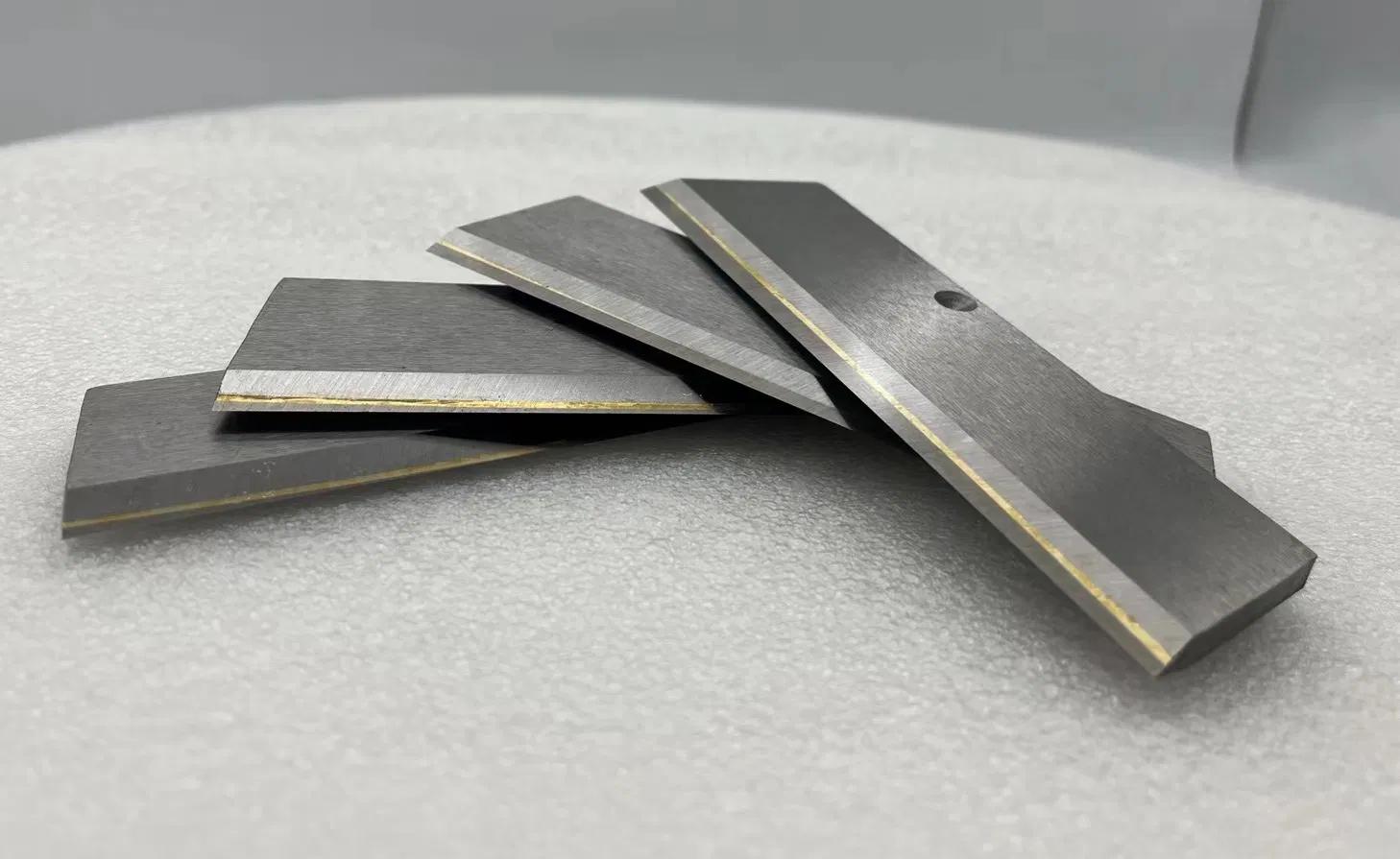 | Plastic Recycling Machinery & High-Speed Steel (HSS) Blades Industrial blades are critical components in machines like grinders, granulators, agglomerators, extruders, and dana... View product → |
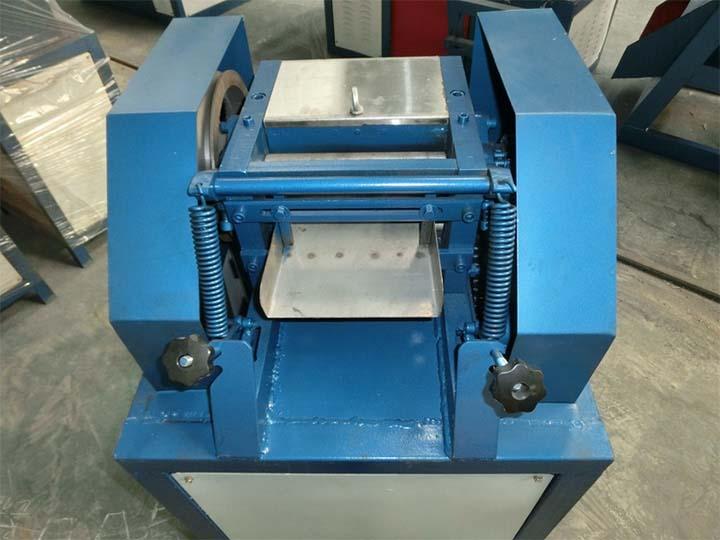 | Plastic Recycling Machinery A Dana Cutter (also called a plastic pellet cutting machine) is a crucial machine used in plastic recycling and extrusion lines to cut molten plastic... View product → |
Frequently asked questions
What does hard facing change on a Dana cutter blade?
It adds a wear-resistant deposited layer to the working edge or face, changing how the blade resists wear during cutting.
Which kind of output changes after fitting a hard-facing blade?
The main changes can appear in throughput consistency, particle size, fines, power demand, and time between blade changes.
How do clearance and operating settings affect Dana cutter performance?
Blade clearance, rotor speed, feed rate, screen condition, and material loading determine whether the cutter cuts cleanly or creates heat, fines, and unstable output.
How can you tell a blade fault from a process fault?
Inspect edge wear, deposits, alignment, clearance, screens, feed consistency, and motor load before blaming the blade.
How do you prove whether hard facing improved production?
Compare matched production runs using the same material, feed rate, settings, screen, output measurements, power data, and downtime records.
Related products
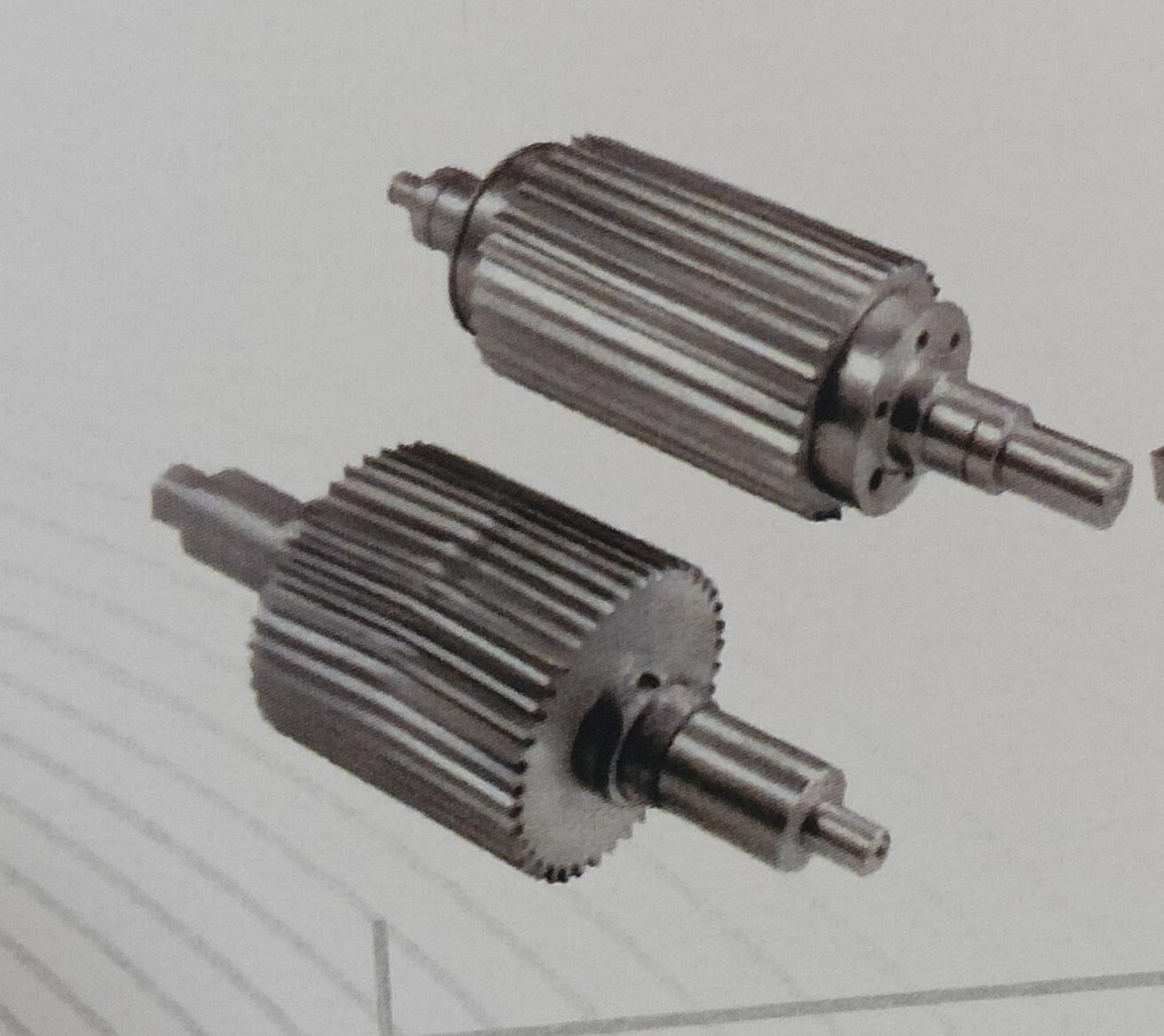 | Plastic Recycling Machinery The Pelletizer Rotor from Ashwini Engineering Works is specially designed for efficient and precise pellet cutting operations in plastic recycling... View product → |
 | Plastic Recycling Machinery Extruder Machine & Screw barrel What is an Extruder Machine? An extruder machine is the heart of any plastic recycling or manufacturing plant. View product → |