
A screen changer becomes useful only after plastic lumps have been reduced, melted and mixed in the extruder; it cannot handle whole lumps or replace upstream preparation. By tracing the material path and comparing filtration methods, you can decide whether cleaner pellets and steadier production justify the pressure drop, maintenance and purchase cost.
Key takeaways
- Install the screen changer after melting and homogenization, before pelletizing.
- Use melt filtration for contamination that threatens pellet quality or downstream equipment.
- Compare manual, slide-plate and continuous changers against your throughput and labour limits.
- Test screen area, pressure rise, output stability and pellet quality with your actual material.
Where a screen changer fits after plastic lump processing
A screen changer belongs after the extruder has melted and homogenized the plastic, and before the pelletizer. It is useful in plastic lump processing only at that point: a solid lump cannot pass through it as a filtered melt.
Feeding whole or partly melted lumps directly into the line can bridge the feed throat, overload the screw, or block the breaker plate.
| Stage | Machine | What happens |
|---|---|---|
| Size reduction | Shredder, cutter or grinder | Lumps become pieces small enough for controlled feeding; a shredder or grinder screen controls solid particle size. |
| Preparation | Washer, dryer, magnet or eddy-current separator | Dirt, labels, moisture, ferrous metal and aluminium are reduced before melting. |
| Melting | Extruder | Heat and shear turn the prepared feed into a homogenized polymer melt. |
| Melt filtration | Screen changer with screen pack | Molten polymer passes through mesh; paper, wood, rubber, stones, unmelted polymer and other solids are retained. |
| Pelletizing | Strand, underwater or hot-face pelletizer | Filtered melt becomes pellets for reuse. |
The extruder creates the melt; the screen changer performs melt filtration. It is not a vibrating screen, shredder screen, or grinder screen, which separate solid pieces before the extruder.
In plastic lump machinery processing post-consumer or e-waste-derived feed, upstream metal separation matters because large metal can damage cutters, screws, breaker plates and melt pumps before the screen changer can help.
For dirty feed, coarse pre-filtration and better sorting often beat an immediately fine screen: excessive contamination blinds the screen quickly, raises pressure and creates frequent changes.
Install the screen changer when pelletizing or another downstream product needs clean melt and stable pressure; clean regrind with a tolerant product may not justify its pressure drop, energy and maintenance.
How to distinguish a melt screen from other recycling screens
A screen changer filters molten polymer after the extruder has melted and mixed material from plastic lump processing. It sits before the pelletizer and removes unmelted polymer, paper, wood, aluminium, stones, rubber and degraded material; it does not cut, sort or grind solid lumps.
| Equipment | Where it works | What it does | Why it is different |
|---|---|---|---|
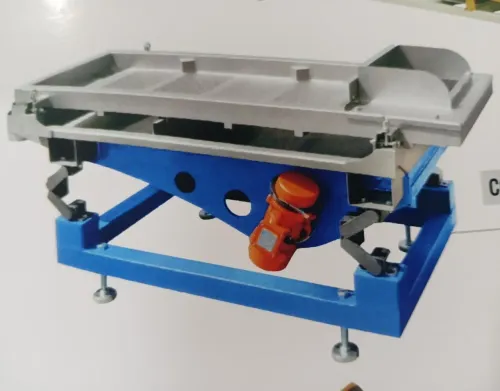
| Vibrating screen | On dry, loose feed | Separates particles by size through vibration | It cannot filter a flowing polymer melt |
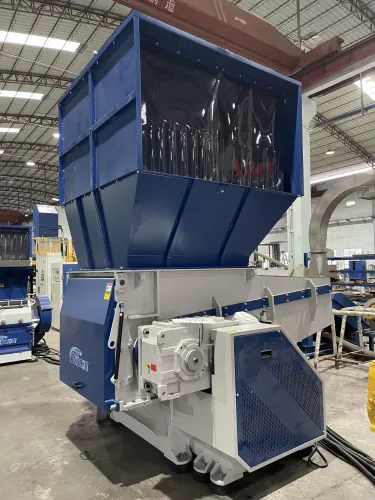
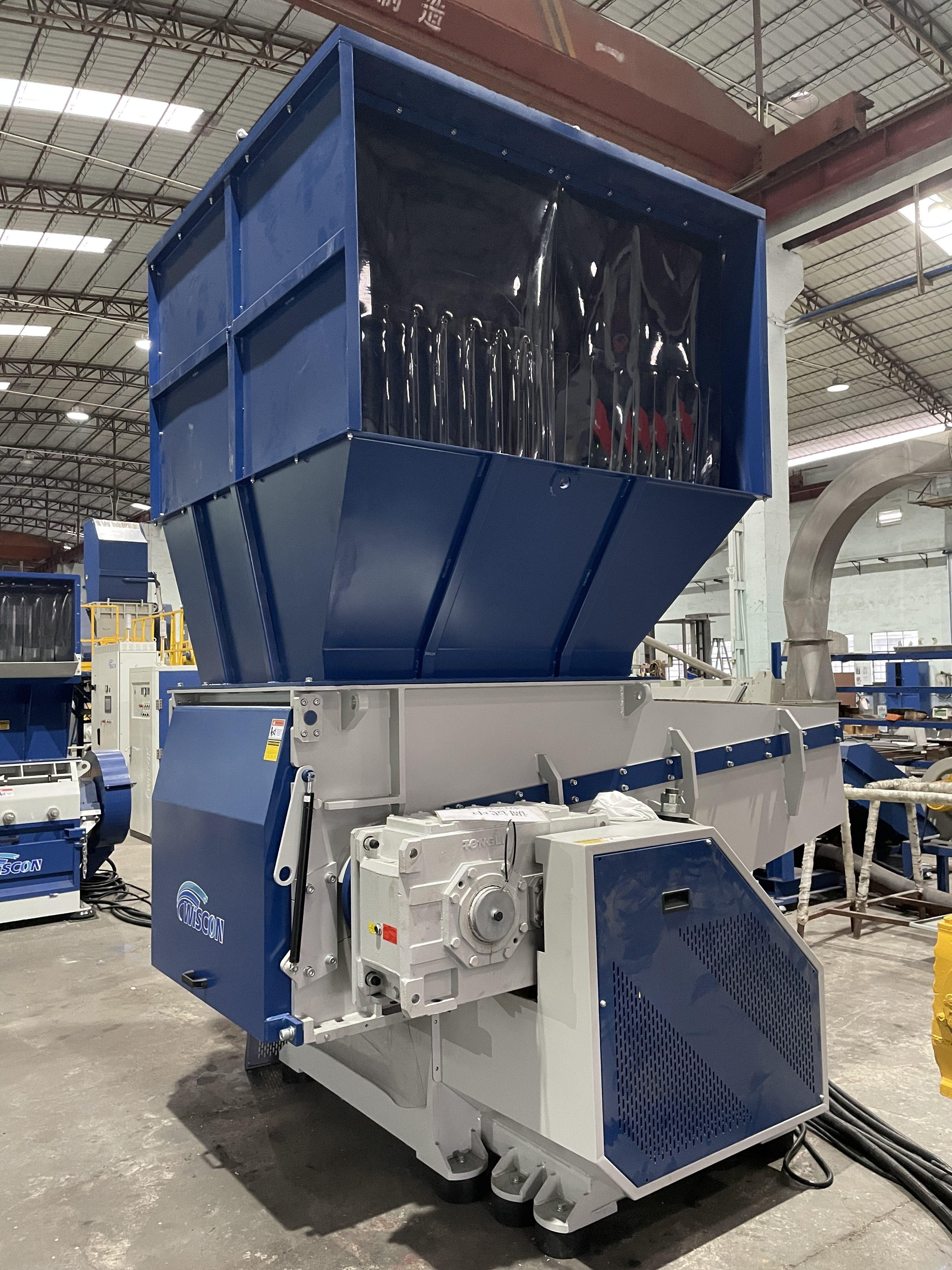
| Shredder screen | Inside or below a shredder | Controls the size of discharged plastic pieces | It sizes solid lumps before extrusion |
| Grinder screen | Inside a granulator or grinder | Sets regrind size through perforations | It handles solid flakes, not molten contamination |
| Filter screen | In a melt-flow path | Provides the mesh that traps solids | It is filtering media; a screen changer replaces or moves that media |
| Screen pack | Across the extruder or breaker plate | Uses stacked mesh layers to clean melt | It is the consumable pack, not the changing mechanism |
| Screen changer | Between extruder and pelletizer | Holds and replaces screens under melt pressure | It enables manual, slide-plate or continuous screen changes |
A screen pack can sit inside a screen changer, while a breaker plate supports the pack and distributes pressure. Calling any upstream perforated plate a “melt screen” creates a costly comparison error: solid-feed screens protect size control, whereas melt screens protect pellet quality and downstream pressure stability.
When contamination makes melt filtration worthwhile
A screen changer earns its place when plastic lump processing sends persistent solid contamination into a clean, homogenised melt. It can remove paper, wood, aluminium fragments, rubber, dirt, unmelted polymer and degraded material before pelletizing, sheet, film, pipe, profile or fibre extrusion.
Plastic lump machinery cannot use it to separate whole lumps or mixed e-waste; unmelted pieces can bridge the feed throat, overload the screw or block the breaker plate.
Prepare the feed before filtration:
- Sort by polymer and remove paper, wood, rubber and stones before size reduction. Mixed materials raise melt instability and blind the screen quickly.
- Separate ferrous and non-ferrous metal with magnets and eddy-current equipment. Large metal can damage cutters, screws, breaker plates, screen packs and melt pumps before the changer captures it.
- Wash where the material carries dirt, labels or residues, then dry it. Moisture creates steam, bubbles and unstable extrusion, problems a screen changer cannot solve.
- Control extrusion temperature, screw speed, residence time and melt pressure. Poor control produces degradation and unmelted polymer that overload the filter.
| Feed condition | Better choice | Why |
|---|---|---|
| Clean regrind, noncritical product | Manual breaker plate | Lower capital and maintenance cost |
| Variable contamination, costly stoppages | Continuous screen changer | Filtration continues while contamination is removed |
| Heavy metal or oversized debris | Upstream separation first | A fine melt screen is not impact protection |
| Fine contamination after preparation | Screen changer | Cleaner melt and steadier pressure justify pressure drop and screen waste |
Manual, slide-plate and continuous changers compared
A manual screen pack gives the lowest purchase cost, but a slide-plate changer usually offers the best middle ground for plastic lump processing. Choose continuous filtration when contamination changes frequently and an unplanned extruder stop costs more than the added equipment and maintenance.
| Option | Purchase cost and operation | Production, pressure and waste trade-off | Maintenance |
|---|---|---|---|
| Manual fixed pack | Lowest cost; an operator stops or slows the extruder and removes the hot screen pack | Long interruptions, greater hot-polymer exposure and pressure swings as the screen loads; startup purging creates scrap | Simple parts, but frequent cleaning and screen replacement |
| Hydraulic slide-plate | Higher cost for a plate, seals, hydraulics and controls; the loaded screen slides out while a clean section enters | Short changeovers, lower operator exposure and steadier pressure; some melt is displaced or purged during each change | Inspect seals, hydraulic leaks, plate guides and carbonized polymer |
| Continuous belt or rotary | Highest cost, with drives, controls and added melt-path volume | Best pressure continuity for variable contamination; reduces stoppages but creates discharge or purge waste and can increase residence time and energy use | Maintain drives, seals, screens, pressure sensors and the discharge mechanism |
A manual option suits clean regrind, infrequent changes and noncritical products. A slide-plate changer suits lines needing cleaner melt without the capital cost of continuous filtration.
Automatic operation does not remove downtime entirely. Discharge the loaded screen and inspect for torn mesh, leaking seals, carbonized polymer and faulty pressure sensors before those failures contaminate pellets or damage the extruder.
A buying test for screen area, capacity and pellet quality
Do not approve a screen changer because its inlet matches your extruder diameter. Determine usefulness from the melt rate, contamination load and pellet specification your line actually produces.
Run a filtration trial with representative lump-derived feed, not virgin resin or clean laboratory regrind. Record the following results:
- Throughput in kg/h
- Upstream and downstream pressure
- Pressure-rise rate
- Melt temperature
- Screen life and change time
- Purge loss and power demand
- Contamination captured
- Pellet appearance, melt pressure stability and blocked-die frequency
Clean feed can make a small screen area look adequate while dirty production feed causes rapid pressure rise and frequent changes.
Supplier quotations should state these figures, not just mesh size and extruder diameter:
| Item | What to compare | Why it matters |
|---|---|---|
| Polymer and temperature | Polymer mix and operating range in °C | Viscosity controls pressure drop and sealing |
| Screen area | Open filtration area at your tested throughput | More area extends screen life and reduces pressure rise |
| Capacity | Guaranteed kg/h using your feedstock | Nameplate capacity can exceed real dirty-feed output |
| Pressure | Maximum operating pressure and acceptable pressure drop | Excess pressure strains the extruder and changes pellet quality |
| Contamination | Type and concentration of paint, paper, aluminium, wood, rubber or dirt | Loads determine screen fineness and change frequency |
| Utilities and service | Heating, hydraulics, spare screens and response time | Downtime can erase a lower purchase price |
A search for “screen for changer plastic lump processing in bengaluru” is only a sourcing query. Give vendors your polymer mix, screen fineness, temperature, pressure, utilities and trial data; Ashwini Engineering Works should receive the same test brief. This screen changer buying guide approach lets you compare output and pellet quality rather than catalogue claims.
Related product
 | Plastic Recycling Machinery The Screen Changer for Plastic Recycling from Ashwini Engineering Works is designed to ensure efficient filtration and removal of impurities during... View product → |
Frequently asked questions
Where does a screen changer fit in plastic lump processing?
Place it after the extruder has melted and homogenized the plastic lumps, and before the pelletizer. A screen changer filters polymer melt, not solid plastic lumps.
How is a melt screen different from other recycling screens?
A melt screen sits inside the extrusion line and removes contaminants from molten polymer under pressure. Trommel, vibrating and rotary screens separate solid feed by particle size before extrusion.
When is melt filtration worthwhile for plastic lumps?
Use it when the feed contains paper, aluminium, wood, unmelted plastic or other debris that could reduce pellet quality, block the die or damage downstream equipment.
Which screen changer type should you choose?
Manual changers suit lower-throughput lines with time for planned stops. Slide-plate changers reduce changeover interruption, while continuous changers suit steady production and frequent contamination.
What should you test before buying a screen changer?
Run your actual material and compare screen area, throughput, pressure rise, changeover time, melt leakage, output stability and pellet cleanliness.