
A hydro dryer is a strong fit for washed, size-reduced plastic that carries free water, but “plastic lump” can describe anything from loose regrind to a compact purge mass. You will be able to judge feed preparation, moisture requirements, machine specifications, competing dryer technologies, and supplier support before selecting equipment.
Key takeaways
- Use a hydro dryer after washing and granulation, not for intact irregular lumps.
- Control particle size before drying to prevent rotor overload and screen blockage.
- Test whether moisture is surface water or absorbed inside the polymer.
- Verify throughput, screen opening, rotor speed, power, drainage, and access before purchase.
When a Hydro Dryer Is Suitable for Plastic Lumps
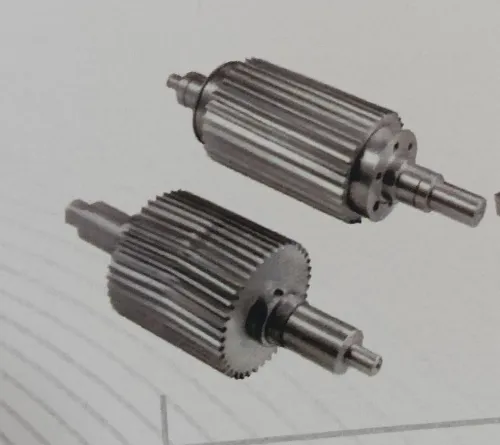
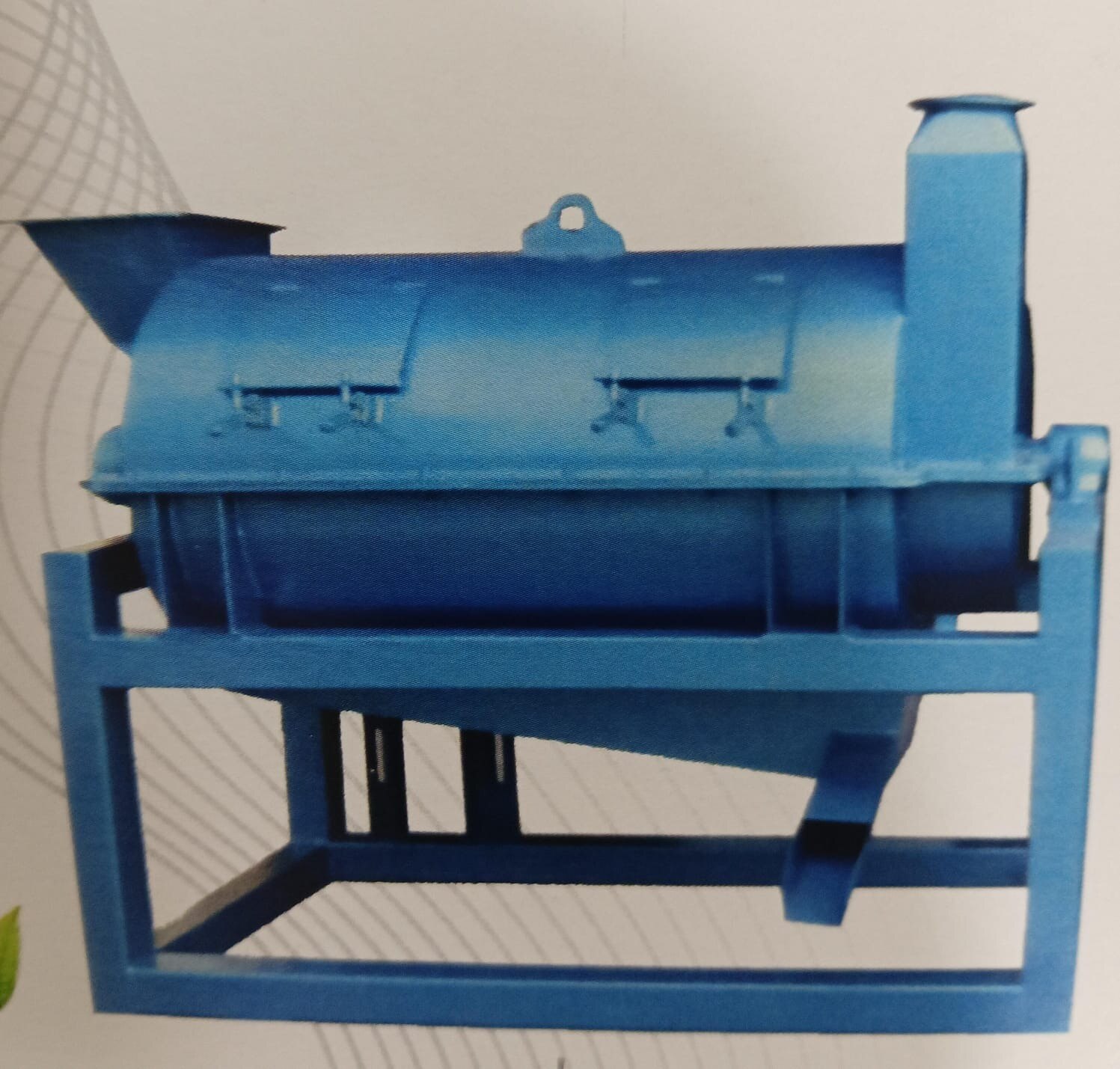
A hydro dryer suits plastic lumps only after they have become controlled, free-flowing particles. Its high-speed rotor throws wet material against a perforated screen, forcing out surface water and water held between particles through mechanical dewatering.
Feed suitability depends on physical form:
- Suitable: washed PP, PE, HDPE, injection-moulding regrind, and rigid flakes with a consistent particle-size range after shredding or grinding.
- Poor direct feed: compact purge lumps, large agglomerates, mixed-size pieces, and irregular masses. These can bridge at the inlet, pass through with uneven residence time, overload the rotor, or retain wet cores.
| Feed form | Hydro-dryer result | Practical action |
|---|---|---|
| Free-flowing, size-reduced rigid flakes | Even contact with the rotor and screen; effective free-water removal | Use after washing when residual moisture is acceptable |
| Oversized or compact lumps | Bridging, overload, uneven residence time, and wet centres | Shred or granulate before dewatering |
| Mixed-size or irregular pieces | Inconsistent drainage and unstable throughput | Control the particle-size distribution first |
The practical verdict is clear: a hydro dryer for plastic lump processing in Bengaluru is suitable when the lumps have already become free-flowing particles and the outlet moisture specification tolerates residual internal moisture.
Do not confuse mechanical dewatering with thermal drying. A hot-air, oven, or desiccant system removes moisture absorbed into hygroscopic polymers such as PET, nylon, and polycarbonate; a hydro dryer mainly drains free water and water between particles.
Where the Dryer Belongs in a Plastic Lump Processing Line
The hydro dryer belongs after washing and adequate size reduction, before optional thermal drying, extrusion, and pelletizing. It separates free water from prepared particles; it does not replace the machine that creates those particles.
1. Map the line in this order: sorting and polymer identification; metal and stone removal; lump shredding or grinding; washing; friction washing; hydro dewatering; optional thermal drying; extrusion; pelletizing.
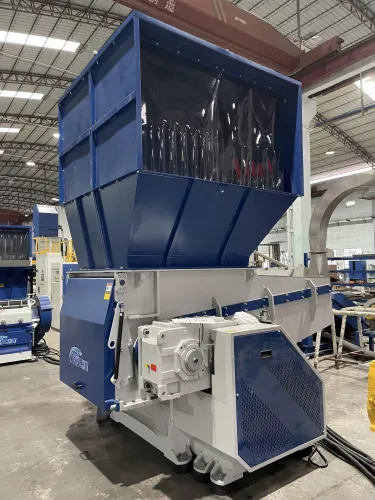
Intact purge lumps or agglomerates can bridge the inlet, overload the rotor, and leave wet cores, so a hydro dryer plastic recycling line needs a shredder or grinder upstream.
2. Check the feed before specifying plastic lump processing equipment. Record particle-size distribution, maximum piece size, bulk density, polymer mix, contamination, wash-water load, and expected wet throughput in kg/h. Sand and glass erode the rotor and perforated screen; metal can damage both and transmit shock into bearings.
Mineral-filled plastic accelerates abrasive wear, while e-waste-derived material demands strict metal removal because fragments can enter with the polymer.
3. Treat dewatering as a water-management boundary. The machine separates water from solids but does not remove labels, oils, inks, flame-retardant residues, or fine plastic particles from the process loop; screening, settling or filtration, and a defined purge route remain necessary. Specify replaceable wear screens and inspect bearings when contamination is unavoidable.
Select the dryer as part of a coordinated line, not as a standalone purchase.
How to Tell Surface Water from Moisture Inside the Polymer
A hydro dryer removes free water, not moisture held inside polymer chains. Surface water, droplets between flakes, and water in open voids respond to centrifugal dewatering; absorbed or polymer-bound moisture in PET, nylon or PA, polycarbonate, and some filled plastics does not reliably leave with the water.
1. Take a representative sample before and after dewatering. Record the feed rate in kg/h, resin identity, inlet moisture, outlet moisture, wash-water temperature, and sample time. Do not compare machines using a generic “moisture reduction” percentage.
2. Test the samples with a resin-suitable method under ISO 15512, such as loss-on-drying or Karl Fischer titration. Set a numerical acceptance limit before the trial; for example, require outlet moisture of ≤0.05% by mass only when that limit matches the resin supplier’s extrusion specification.
A PET, PA, or PC line that needs a tighter limit must state that lower number.
3. Add a controlled hot-air dryer, oven, or desiccant dryer after mechanical dewatering when the measured outlet moisture exceeds the extrusion limit, or when the resin is hygroscopic. Desiccant drying is the dependable choice for moisture-sensitive PET, PA, and PC because it supplies low-dew-point air rather than merely draining water.
Moisture testing cannot remove PVC contamination from PET, restore intrinsic viscosity lost through hydrolysis, or make unidentified e-waste plastic safe for unrestricted processing or food-contact use. A low moisture reading proves only water content, not polymer purity, molecular condition, or regulatory suitability.
Which Dryer Configuration and Alternative Fits the Feed
Match the dryer to the moisture you must remove, not to the word “lump.” Hydro dryers suit free-flowing washed flakes; use thermal or desiccant drying when moisture remains inside the polymer.
| Option | Energy demand | Moisture result | Maintenance, fines, residence, complexity |
|---|---|---|---|
| Hydro dryer | Medium motor load | Removes free surface water | Screen and rotor wear; moderate fines; short residence; moderate complexity |
| Centrifugal dewatering machine | Medium | Similar mechanical dewatering | Bearing and screen care; moderate fines; short residence; simple integration |
| Squeeze dryer | Medium to high | Lower moisture on films and soft feed | High wear and plugging risk; fines vary; longer residence; higher complexity |
| Hot-air dryer | High thermal load | Removes surface and some internal moisture | Heater and airflow maintenance; low fines; longer residence; adds ducting |
| Desiccant dryer | Highest | Best for hygroscopic resin | Desiccant and filter maintenance; low fines; long residence; highest complexity |
Request these hydro-dryer figures before comparing offers:
- Wet capacity in kg/h, bulk density, particle-size range, inlet moisture, wash-water temperature, polymer mix, allowable fines, target outlet moisture, operating hours, installed motor power, rotor-speed range, screen aperture, wear-screen material, discharge arrangement, and available floor space.
A finer screen or faster rotor can improve drainage, but it also raises power draw, fines, vibration, and screen wear. Run representative material for a sustained trial and record throughput, outlet moisture, product temperature, motor load, vibration, fines, and screen condition.
Reject any comparison based only on nominal dry-flake capacity: different bulk density or inlet moisture changes the actual water load and kilograms per hour.
What to Verify Before Buying and Installing the Line
Do not approve a quote until the machine has passed a trial with your own washed material and the installation has been checked against your Bengaluru plant.
1. Give an industrial hydro dryer supplier representative washed lumps or flakes containing your real polymer mix, dirt and fines—not a clean sample. Require a sustained run recording wet feed rate, inlet and outlet moisture, motor power, product temperature, vibration, fines and screen wear.
2. Get written limits for maximum lump size, bulk density, particle-size distribution, inlet moisture, wash-water temperature, allowable fines and target outlet moisture. A dry-flake capacity without these conditions is not a useful comparison.
3. Inspect replaceable perforated screens, rotor and bearing access, overload protection, discharge layout, noise control and dust containment. Confirm screen and bearing grades, replacement time and stock availability near Bengaluru.
4. Match the motor, controls and protection to your available voltage, phase, frequency and connected load. Check local service response and require a named escalation contact.
5. Map the interfaces: the upstream granulator must deliver free-flowing feed, while the downstream extruder must accept the discharge rate, temperature and residual moisture.
6. For a plastic recycling dryer in bengaluru, measure floor space, maintenance clearances, drainage and water recovery. Design closed-loop screening, settling or filtration, plus a defined purge-treatment route.
7. Ashwini Engineering Works is worth assessing through an integrated review of cutting tools, size reduction, conveyors, screening, dewatering and downstream processing—not a dryer catalogue rating alone.
Related products
 | Plastic Recycling Machinery A Plastic Scrap Dryer Machine is a highly efficient industrial machine designed to remove moisture from washed plastic scrap materials before the... View product → |
 | Plastic Recycling Machinery Plastic Scrap Dryers (Dewatering & Drying Machines) What is a Plastic Scrap Dryer? A Plastic Scrap Dryer is used to remove moisture from washed plastic flakes or films before further processing like... View product → |
Frequently asked questions
When is a hydro dryer suitable for plastic lumps?
Use one after plastic lumps have been reduced to controlled, free-flowing particles that can pass through the rotor and perforated screen. It removes surface water and water trapped between particles through mechanical dewatering.
Where does a hydro dryer belong in a plastic lump processing line?
Place it after washing and size reduction, once the material is wet but consistently sized. Downstream equipment such as air conveying, thermal drying, extrusion, or pelletizing can follow it.
How can you tell surface water from moisture inside the polymer?
Surface water appears as free liquid, droplets, or water between particles and responds to mechanical dewatering. Moisture inside the polymer remains after dewatering and requires a moisture test and, when necessary, thermal drying.
What should you verify before buying a hydro dryer?
Confirm feed size, bulk density, contamination, target throughput, moisture reduction, rotor speed, screen opening, motor power, drainage, wear parts, cleaning access, and installation space.