
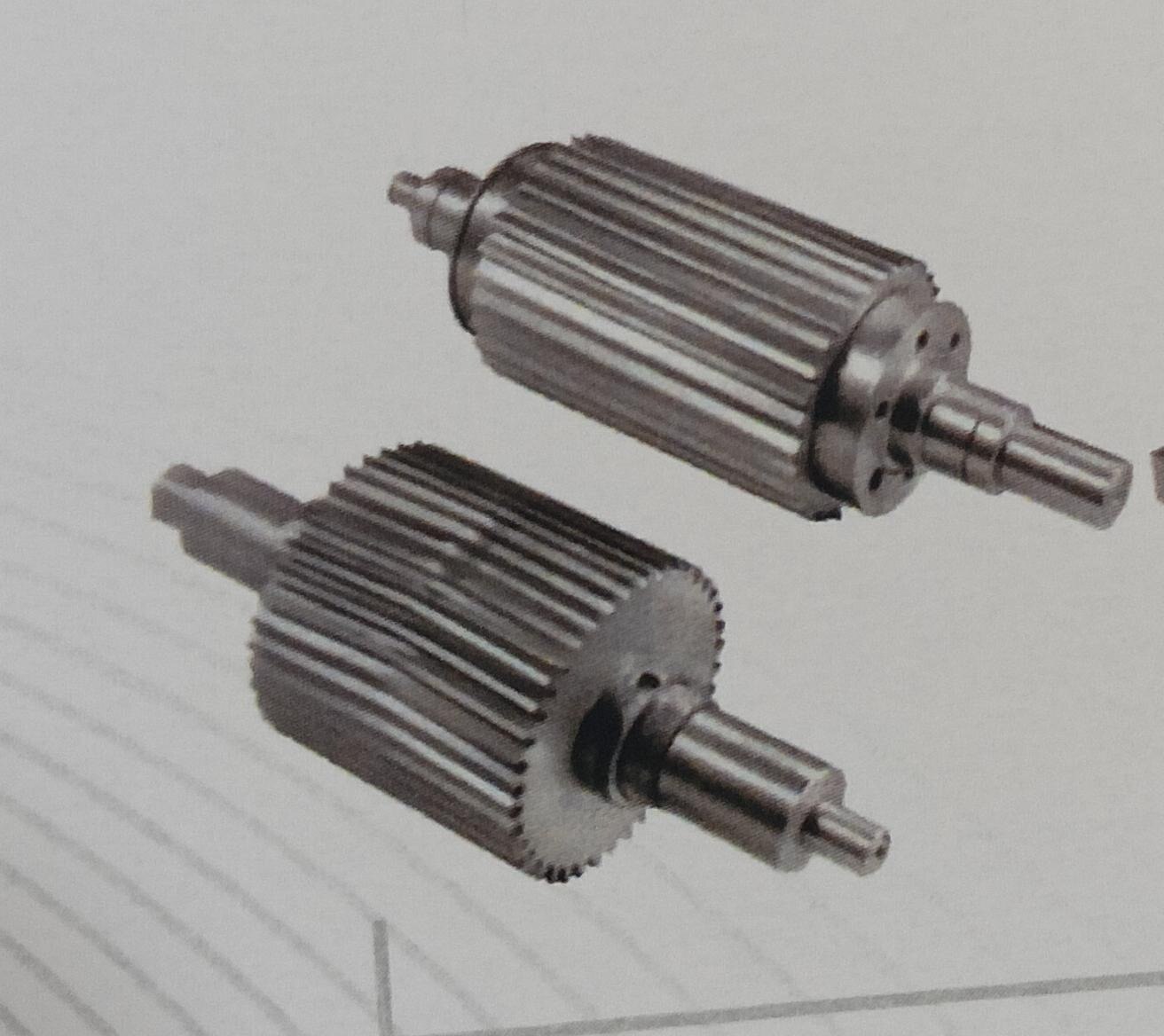
A pelletizer rotor is not a universal cutting part: its correct design depends on whether you process cooled strands, a hot die face, or an underwater stream. By the end, you will be able to compare rotor layouts, knife counts, rollers, wire cutters, die bolts, and operating limits against your polymer, throughput, pellet size, and safety requirements.
Key takeaways
- Confirm whether your pelletizer uses a knife rotor, steel roller, or wire cutter.
- Match rotor geometry and knife spacing to strand diameter and target pellet size.
- Set die bolts, knife clearance, and rotor balance as one cutting system.
- Give suppliers shaft dimensions, materials, speed, load, and verified clearances.
What “rotar” means—and which pelletizer you actually have
“Rotar” is usually a misspelling of rotor. In a strand pelletizer, the rotor is the rotating shaft or assembly that carries knives and cuts cooled polymer strands against a stationary bed knife. The search phrase pelletizer rotar plastic cutting recycling plastic machinery usually points to this component, not to every rotating part in the line.
| Part | What it does | How to identify it |
|---|---|---|
| Strand pelletizer rotor | Carries rotating knives across cooled strands | Sits beside a bed knife; knife speed and strand speed control pellet length |
| Die-face or underwater rotor | Cuts polymer directly at the die plate | Knives run against die holes; there is no separate cooled-strand bed knife |
| Steel roller | Pulls or presses strands before cutting | Has a nip and drive, but no cutting edges; excess pressure flattens soft strands |
| Rotary knife or Dana cutter | Cuts material using a rotating blade assembly | May process film, lumps, or other feed; do not assume it is a strand rotor |
| Wire cutter | Uses wire or a narrow cutting element | Confirm its polymer application; it is not automatically interchangeable with a strand pelletizer rotor |
For plastic cutting recycling plastic machinery, specify the process before naming the part: strand, hot die-face, water-ring, or underwater pelletizing. In a strand unit, pellet diameter comes mainly from die-hole diameter; pellet length follows strand speed ÷ (rotor revolutions per second × cutting edges). Guard the rotor and interlock access doors before operation.
Match rotor geometry to process, pellet size, and output
Pellet length is not set by rotor diameter. In a strand pelletizer, die-hole diameter sets strand and approximate pellet diameter; pellet length follows strand speed ÷ (rotor revolutions per second × cutting edges). A pelletizer rotar in plastic cutting recycling plastic machinery must therefore be specified around the die, haul-off, and strand layout.
| Setting | Match it to | What goes wrong when mismatched |
|---|---|---|
| Rotor diameter | Cutting width, knife sweep, bearing load, and required stiffness | A small rotor cannot cover the strand bank; excessive diameter raises inertia and tip speed |
| Knife count | Desired pellet length at the available rotor speed | More knives shorten pellets but increase drive load and clearance sensitivity |
| Cutting width | Total strand spread, not just strand count | Narrow coverage leaves uncut strands; excess width adds cost and unused knife exposure |
| Rotor speed | Strand speed and target length, within balance, bearing, and motor limits | Excess speed creates vibration, heat, and edge wear |
| Strand count | Die-hole layout and throughput per strand | Too much output per strand produces thick, unstable strands; too many strands overload guidance |
Use this matching procedure:
1. Calculate total polymer flow in kg/h, divide it across the number of strands, and confirm each strand remains stable at the die temperature and haul-off speed.
2. Choose die-hole diameter for pellet diameter, then calculate knife count and rotor rpm for the required pellet length.
3. Select rotor diameter and cutting width to cover the strand bank while keeping knife loading, balance, and peripheral speed within the machine limits.
4. Check the polymer: glass-filled or mineral-filled grades need wear-resistant knives, while hot, tacky grades need controlled clearance and reliable strand cooling before cutting. Set overload trip, reverse or jog, and safe clearing access for contamination upsets.
Steel roller, rotary knife, or wire cutter: choose the load path
Choose a steel roller when soft, warm strands need positive traction before cutting; choose a wire cutter only when its design matches the product and polymer process. In plastic cutting recycling plastic machinery, a steel roller is normally a haul-off or pressure roller, not the cutter.
Too little nip pressure causes slip and uneven pellet length; too much flattens the strand.
| Option | Feeding | Pellet control | Wear and throughput |
|---|---|---|---|
| Steel roller | Pulls strands at a steady speed; guides and nip pressure matter | Stabilises length by preventing slip, but does not set pellet diameter | Low cutting wear; excessive pressure limits soft-strand flow |
| Rotary knife | Cuts cooled strands against a stationary bed knife | Gives repeatable length through strand speed, rotor speed, and knife count | Handles production flow well with correct clearance; abrasive fillers wear edges and raise drive load |
| Wire cutter | Suits a narrow, defined product path; confirm it is a polymer strand cutter, not a metallic wire tool | Requires strand guides, controlled tension, and a bed knife or designed cutting support | Can fail quickly on hot, tacky, glass-filled, or contaminated polymer; throughput depends on edge strength and guidance |
A rotary knife is the normal choice for cooled polymer strands. A wire cutter is preferable only when the supplier specifies polymer temperature, strand diameter, tension, and contamination limits for that machine; a generic wire cutter is not an interchangeable rotor.
For glass fibre, talc, calcium carbonate, or metal contamination, specify replaceable tool-steel or carbide-tipped knives and plan inspection intervals. Guard and interlock the roller, rotor, and die area because rotating edges and stored strand tension remain hazardous during access.
Set die bolts, clearances, and balance as one cutting system
A pelletizer cuts cleanly only when the die, knives, and rotor share one centreline. For plastic cutting, recycling plastic machinery needs die bolts tightened in a specified sequence and torque; uneven loading can tilt the die, change the local gap, and create fines or knife contact.
Set knife clearance with the actual rotor, bed knife, die, and polymer temperature. Excessive clearance causes stringing, smeared pellet ends, and fines. Insufficient clearance increases torque, chips the edge, and can score the die or bed knife.
Check these conditions before raising speed:
- Inspect the die face for grooves, low spots, blocked holes, and uneven wear. A worn die-face cutter can produce variable pellets even after you install new knives.
- Verify knife height, bed-knife position, and rotor runout together. Replacing a die without checking runout can cause immediate contact.
- Balance the complete rotor assembly, including knives and fasteners. Vibration increases bearing load, loosens die bolts, damages edges, and limits safe speed; a motor’s rated rpm is not the rotor’s safe rpm.
- Define upset protection for metal fragments, unmelted flakes, and degraded slugs. Use torque or motor-current trips, with vibration or temperature monitoring where the machine design supports it.
- Provide controlled reverse or jog, guarded access, and lockout points for clearing jams. Never rely on a trip circuit as permission to reach into a rotating cutter.
Increasing knife count shortens pellet length at the same rotor speed but raises cutting events and drive load. Confirm the clearance again after every knife change.
Build a rotor specification that a machinery supplier can verify
A supplier can verify a replacement only when your request identifies the machine, interfaces, load, and cutting conditions—not merely “pelletizer rotar.” If your search uses the phrase pelletizer rotar plastic cutting recycling plastic machinery, replace that label with a machine-specific description.
- State the cutter type: strand, hot die-face, water-ring, or underwater. A wire cutter is not an interchangeable specification.
- Provide rotor diameter, cutting width, knife count, knife arrangement, rotation direction, design speed, and target pellet diameter.
- Give polymer type, melt temperature at cutting, throughput in kg/h, strand count, strand diameter, and extruder output.
- Attach shaft drawings showing bore, keyway, thread, shoulder, bearing seats, mounting pattern, and available axial and radial space.
- Identify the knife and bed-knife material, edge angle, expected clearance, sharpening limits, and whether you need a complete rotor, replacement knives, die plate, or shaft assembly.
- Describe contamination and upset protection: torque or motor-current trip, vibration or temperature alarm, reverse or jog function, and safe clearing access.
Do not call the steel roller the cutting rotor. In a strand line, it is the haul-off or pressure roller; specify its diameter, surface, nip force, and speed because slip changes pellet length.
For a die-face design, include die-hole diameter and pattern, die bolts, die-face material, and knife-to-die clearance. Ashwini Engineering Works can assess a component request more accurately when you attach photos, nameplate data, and the existing part drawing.
Related products
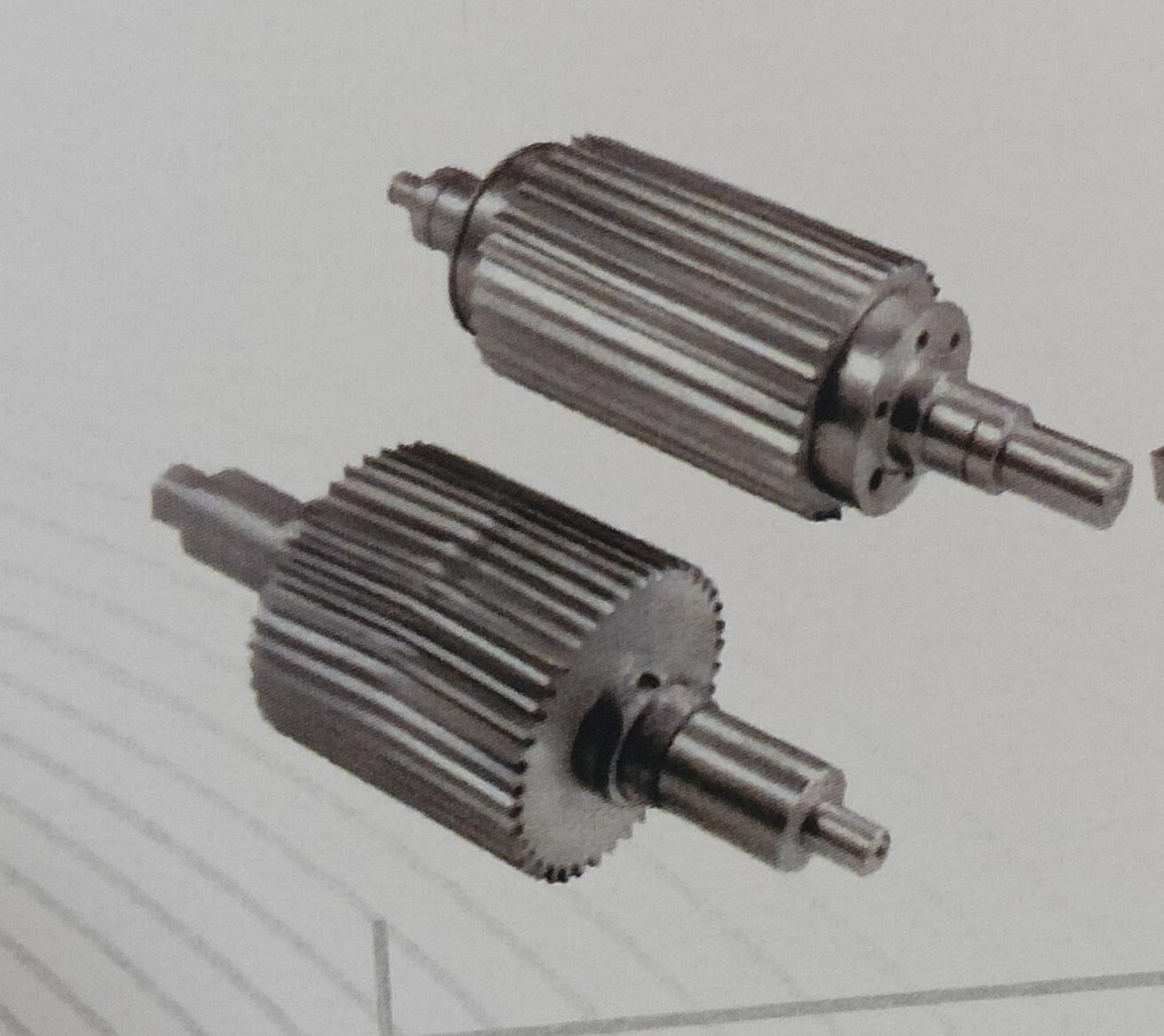 | Plastic Recycling Machinery The Pelletizer Rotor from Ashwini Engineering Works is specially designed for efficient and precise pellet cutting operations in plastic recycling... View product → |
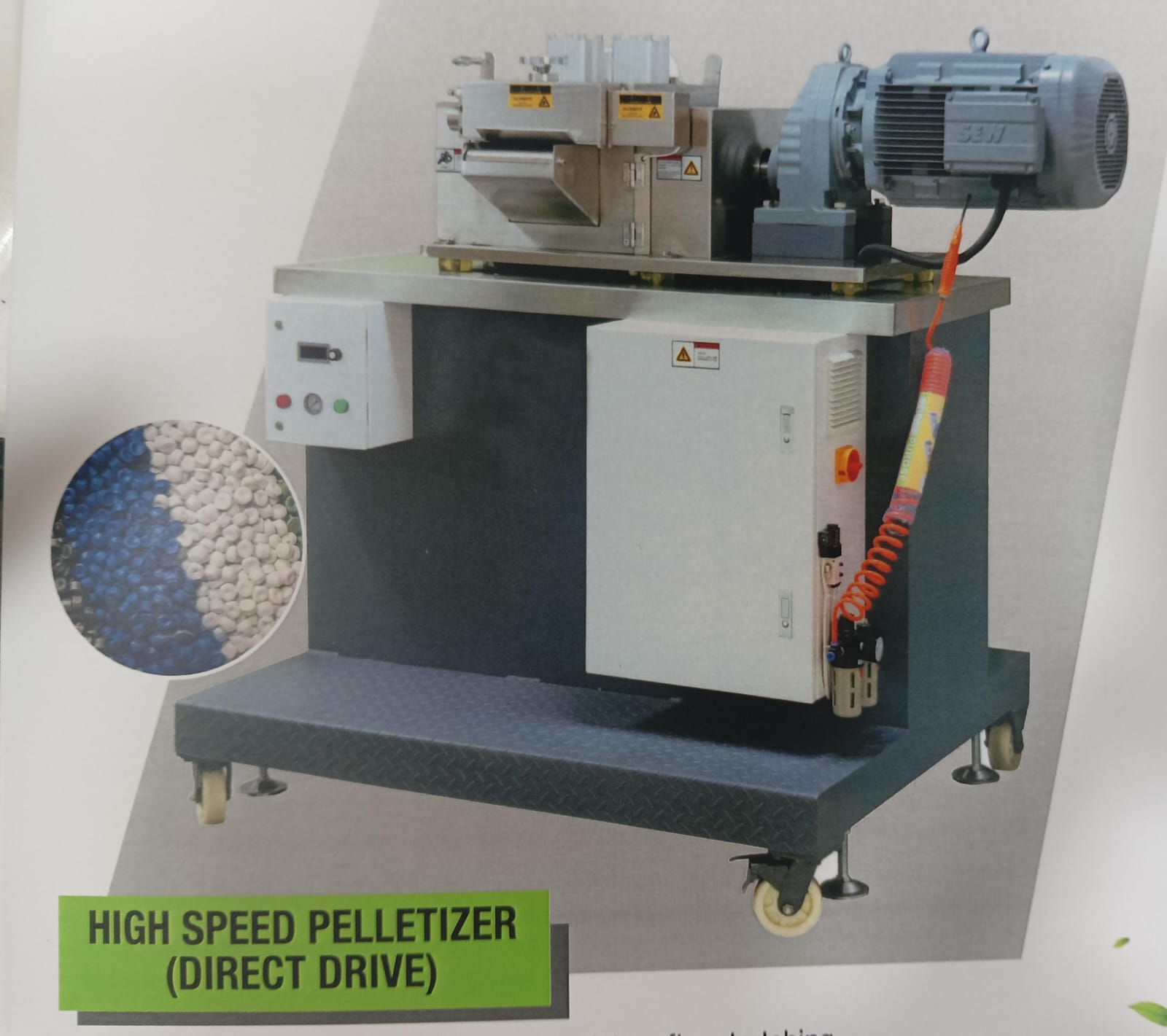 | Plastic Recycling Machinery High-performance machines used to convert melted plastic strands into uniform plastic pellets. View product → |
Frequently asked questions
What does “rotar” mean in pelletizer machinery?
“Rotar” is usually a misspelling of rotor. In a strand pelletizer, the rotor carries rotating knives that cut cooled polymer strands against a stationary bed knife.
How do you choose between a steel roller, rotary knife, and wire cutter?
Choose according to the load path: a steel roller supports or feeds the strand, a rotary knife cuts against a bed knife, and a wire cutter uses tensioned wire to divide material.
Why do die bolts and knife clearance need to be set together?
Die bolts affect strand position and alignment, while knife clearance controls the cut. Treating them as one system prevents uneven cutting, strand deflection, and excessive wear.
What should a supplier verify in a pelletizer rotor specification?
Provide shaft dimensions, rotor geometry, knife material, strand diameter, target pellet size, operating speed, cutting load, die-bolt arrangement, and required clearances for verification.
Related products
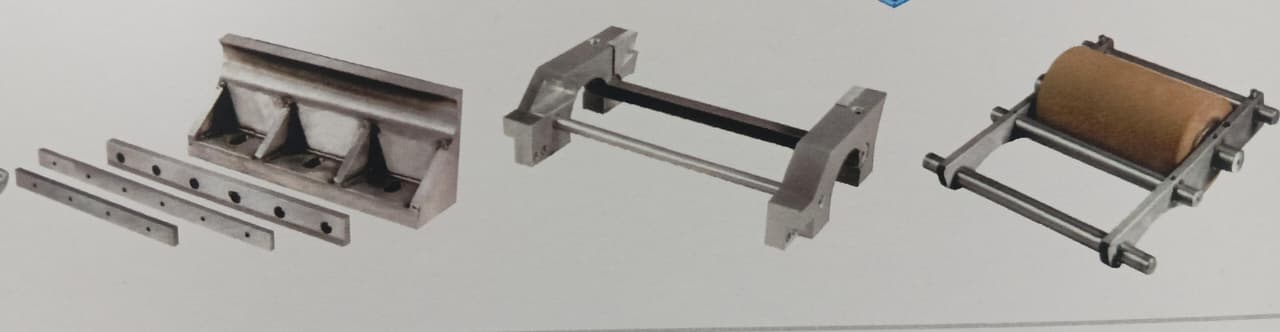 | Plastic Recycling Machinery The Pelletizer Spare Parts from Ashwini Engineering Works are manufactured to deliver reliable performance, precision, and long-lasting durability... View product → |
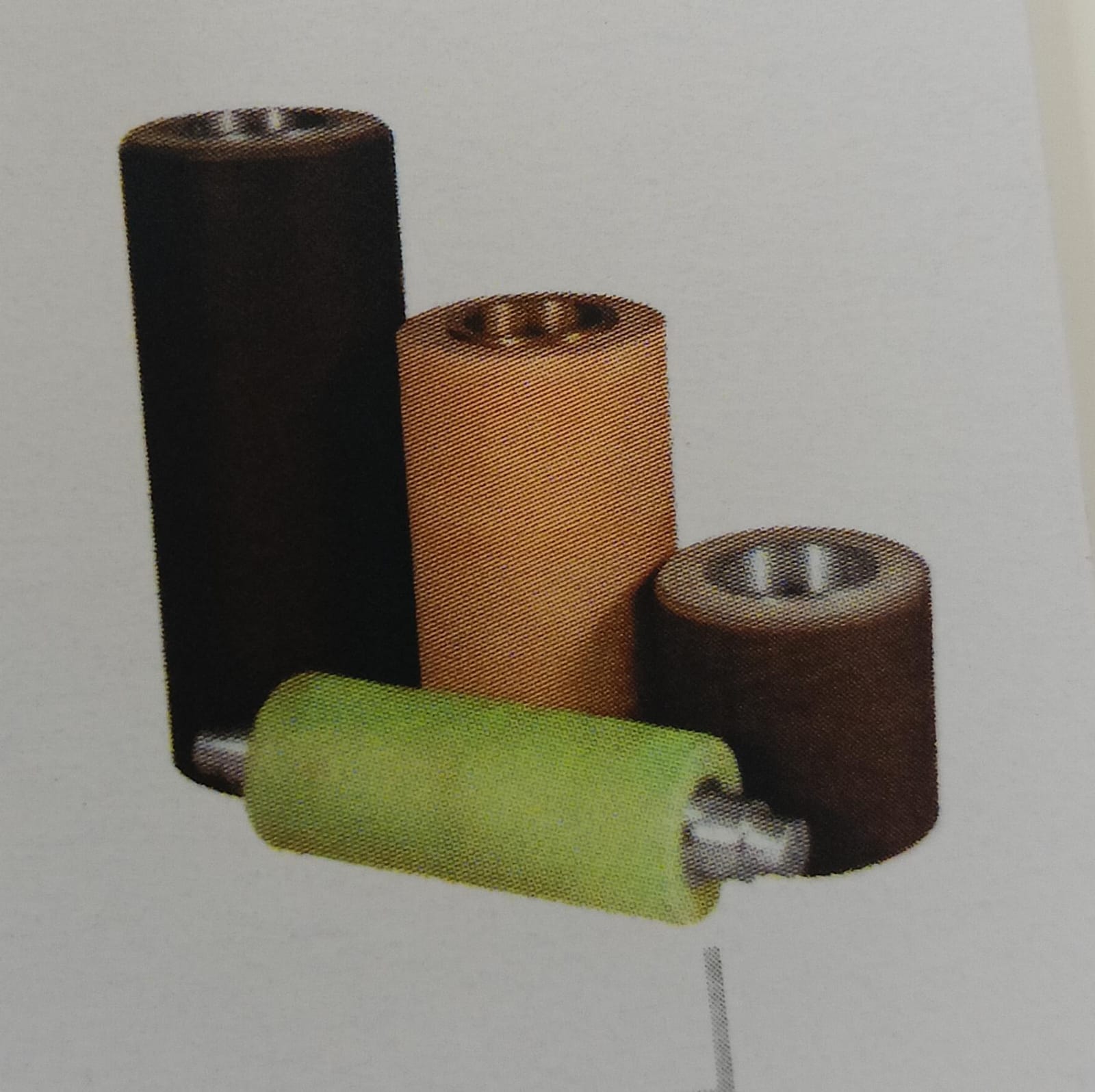 | Plastic Recycling Machinery The Pelletizer Rubber Roller from Ashwini Engineering Works is designed to provide smooth and efficient feeding support during the pelletizing... View product → |
 | Plastic Recycling Machinery Plastic Recycling Machinery Complete Machine Ashwini Engg Works is a manufacturer and supplier of plastic recycling machinery and industrial blades based in Bangalore. View product → |