
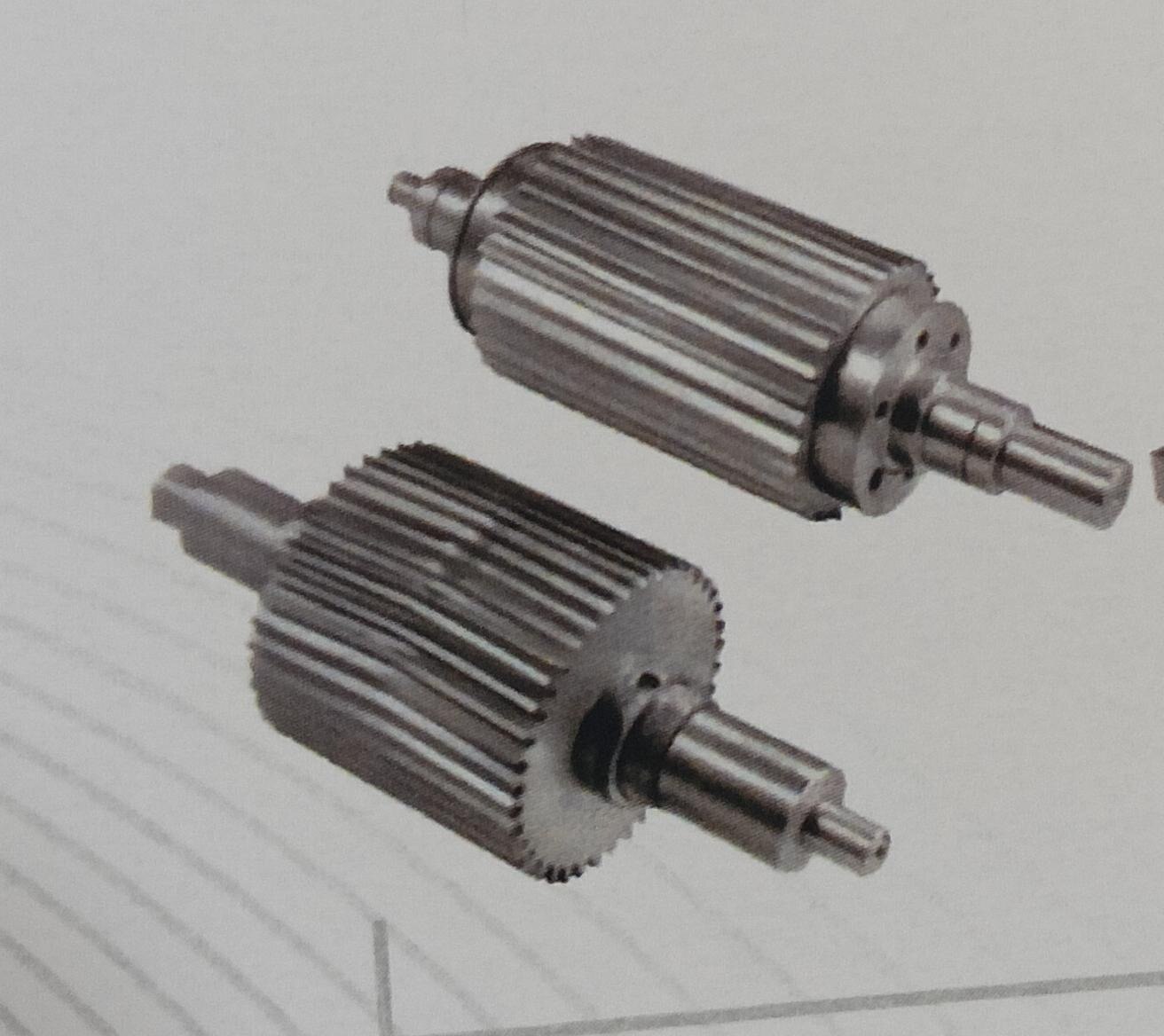
A pelletizer rotar is the rotating knife holder that makes repeated shearing cuts against a stationary knife or die face; the hard-facing layer helps that cutting edge resist abrasive wear. By the end, you will know how the assembly controls pellet length, when hard facing is justified, how it differs from solid carbide, and which measurements prevent a costly mismatch.
Key takeaways
- The rotor sweeps knives across the die face to cut cooling plastic strands.
- Hard facing resists abrasion but cannot correct poor alignment or excessive clearance.
- Solid tungsten carbide offers greater wear resistance but costs more and can be brittle.
- Match rotor diameter, knife count, die layout, speed, and shaft connection before ordering.
What the Rotar Assembly Actually Does at the Die Face
A pelletizer rotar is the rotating knife holder that cuts plastic at the die face; “rotar” is commonly used here to mean rotor. In an underwater or die-face pelletizer, its knives sweep across the heated die plate as melt exits the die holes, while circulating water cools and carries away the pellets.
The pelletizer rotar function is repeated, controlled shearing—not conveying, compressing, or granulating.
In a strand pelletizer, the rotor cuts cooled strands against a stationary bed knife. Do not substitute that rotor specification for an underwater cutter assembly: the die-face temperature, knife contact, water environment, and mounting dimensions are different.
| Component | What it does | What it is not |
|---|---|---|
| Rotor or knife holder | Carries the rotating knives across the cutting plane | Not the drive shaft alone |
| Drive shaft | Transmits motor torque to the rotor assembly | Not the cutting edge |
| Die plate | Forms melt through fixed holes and provides the cutting plane | Not a rotating blade |
| Dana cutter rotor | A machine-specific rotating cutter component | Not automatically interchangeable with a die-face rotor |
Plastic pelletizer rotor parts normally include knives, clamps or retaining screws, spacers, bearings, seals, and the mating housing or bed knife. A hard-facing blade still performs the same shear; its wear-resistant surface protects the edge, but it does not correct excessive clearance, runout, poor balance, or an incorrectly matched die plate.
How Rotation Turns Strands into Consistent Pellets
Clean, consistent pellets come from matching rotor speed to strand throughput and strand diameter. Raise speed while feed stays constant and pellets shorten; raise throughput at constant speed and they lengthen. That ratio is central to pelletizer rotar function, but speed alone cannot rescue poor cutting.
The strand must arrive cool enough to resist deformation, yet not so brittle that it shatters. In a strand line, the cooling bath and dewatering or air-drying section stabilize it before the rotor; insufficient cooling produces smeared, tailed pellets and loads the knife.
An underwater or die-face system uses water to cool polymer at the heated die plate and carry pellets away. Its cutter geometry is not interchangeable with a strand unit because the rotor meets hot melt rather than a cooled strand.
Knife geometry determines how the edge meets the strand and sets cut frequency and shear action. Set knife-to-bed-knife clearance to the supplier’s geometry and material specification. Excessive clearance pulls strands into fines, tails, and uneven lengths; insufficient clearance raises torque and heat, causing the edge to contact the bed knife and damage the blade.
Rotor runout matters just as much: a wobbling rotor changes clearance every revolution, producing alternating long and short pellets. Match speed and feed, then verify pellet length under load rather than judging an idle gap.
What the Hard-Facing Layer Protects—and What It Cannot Fix
A pelletizer rotar hard facing blade is a cutter with a wear-resistant alloy layer or hard insert at its working edge, not a blade made entirely from one extremely hard material. Its tougher base absorbs rotor stress and impact while the surface slows abrasive wear.
The layer is intended for service containing:
- Glass fibre
- Mineral filler
- Abrasive masterbatch
- Dirt
- Metal fines
These particles grind the edge during repeated contact with the strand and fixed die-face knife. In recycled plastic and e-waste service, copper, aluminium, steel and glass fragments can also strike the edge; hard facing slows wear but does not make the cutter immune to impact notching.
Choosing a pelletizer rotar with hard facing blade does not guarantee cleaner or more uniform pellets. Cut quality still depends on edge geometry, knife clearance, rotor runout, strand temperature and the condition of the mating die-face knife.
A worn clamp, incorrect shim or misaligned knife can leave tails and angled cuts even when the overlay remains intact.
An excessively hard or poorly bonded layer creates a different failure: it can chip, crack or separate from the base, damaging the opposing knife or die face. Specify the expected contaminant size and concentration, the overlay or insert material, its hardness range and the permitted regrind thickness.
A wear-resistant edge earns its cost only when its toughness, sharpening method and actual contamination match the line.
Hard Facing Versus Solid Tungsten Carbide
A pelletizer rotar hard facing blade combines a tough steel body with a wear-resistant overlay or hard-alloy edge. Compare it with the whole blade system, not hardness alone: a brittle edge that chips or cannot be reground can cost more than a softer blade that survives contamination.
| Option | Toughness and chipping risk | Edge geometry | Sharpening and regrind allowance |
|---|---|---|---|
| HSS | Tougher than carbide and resistant to impact; the edge still dulls quickly against glass, mineral filler or metal fines | Takes a keen, relatively thin edge for clean cutting | Easy to sharpen; allows repeated regrinds until minimum thickness or mounting dimensions are reached |
| Hardened tool steel | Highest practical toughness among these choices; lower chipping risk during intermittent impact | Supports a strong edge, but wears sooner in abrasive recycled feedstock | Straightforward sharpening and generous regrind potential when the body remains thick enough |
| Carbide-insert | Harder and more wear-resistant; replaceable inserts reduce downtime, but corners can chip after impact | Holds a precise, acute geometry; use the specified insert grade and edge preparation | Sharpening is limited; replace the insert when chipped or worn, then verify projection and balance |
| Hard-facing blade | Tough base absorbs rotor stress while the overlay resists abrasion; exposed overlay can chip if struck by metal | Geometry depends on overlay thickness and grinding, so excessive removal can expose the base | Sharpen only if the overlay is designed for it; confirm minimum thickness and rebalance after grinding |
| Solid tungsten carbide | Maximum wear resistance and edge retention; highest fracture and chipping risk | Very rigid, precise edge, but avoid thin unsupported tips | Limited regrind allowance; grinding requires suitable diamond equipment and careful geometry control |
For contaminated feed, choose toughness before maximum hardness. For clean, abrasive polymer, carbide or hard facing can reduce wear without sacrificing every regrind.
How to Specify a Rotor Without Guessing Compatibility
Before ordering a replacement, match the complete rotor assembly to the line, not just the visible knife.
- Record pelletizer type, make, model, rotor diameter, knife count, rotation direction, rated speed, throughput, melt or water temperature, and required pellet length.
- Request a dimensional drawing showing knife length, width, thickness, hole pattern, clamp position, spacers, shims, die-face clearance, and mating stationary knife.
- Include the rotor, knife holders, retaining screws, bearings, seals, bed knife, and die plate details. These plastic pelletizer rotor parts must share the same interfaces.
- Specify base material, hard-facing alloy or insert grade, hardness range, minimum permitted thickness, sharpening method, and regrind allowance.
- Require dynamic balancing of the complete rotor after blade installation or grinding, with the balance grade and test report stated.
- Confirm motor voltage, 50-Hz three-phase supply where applicable, rated current, rotation, guarding, emergency stop, and interlock arrangement.
- Confirm Bengaluru service coverage, installation support, spare-blade lead time, grinding capability, and contamination history, including glass fibre, mineral filler, metal fines, or dirt.
| Option | Strength | Wrong choice when |
|---|---|---|
| Hard-facing blade | Tough base with an abrasion-resistant edge | A brittle, poorly bonded overlay could chip against metal or a misaligned die |
| HSS or hardened tool steel | Easier sharpening and predictable edge geometry | Abrasive, glass-filled production causes rapid wear |
| Carbide insert or solid carbide | High wear resistance and stable clearance | Impact, vibration, poor balance, or frequent edge correction risks chipping |
For pelletizer rotar machinery in bengaluru, give Ashwini Engineering Works these records before requesting a quote for a pelletizer rotar with hard facing blade. “Universal” and “OEM-equivalent” are not specifications.
Related products
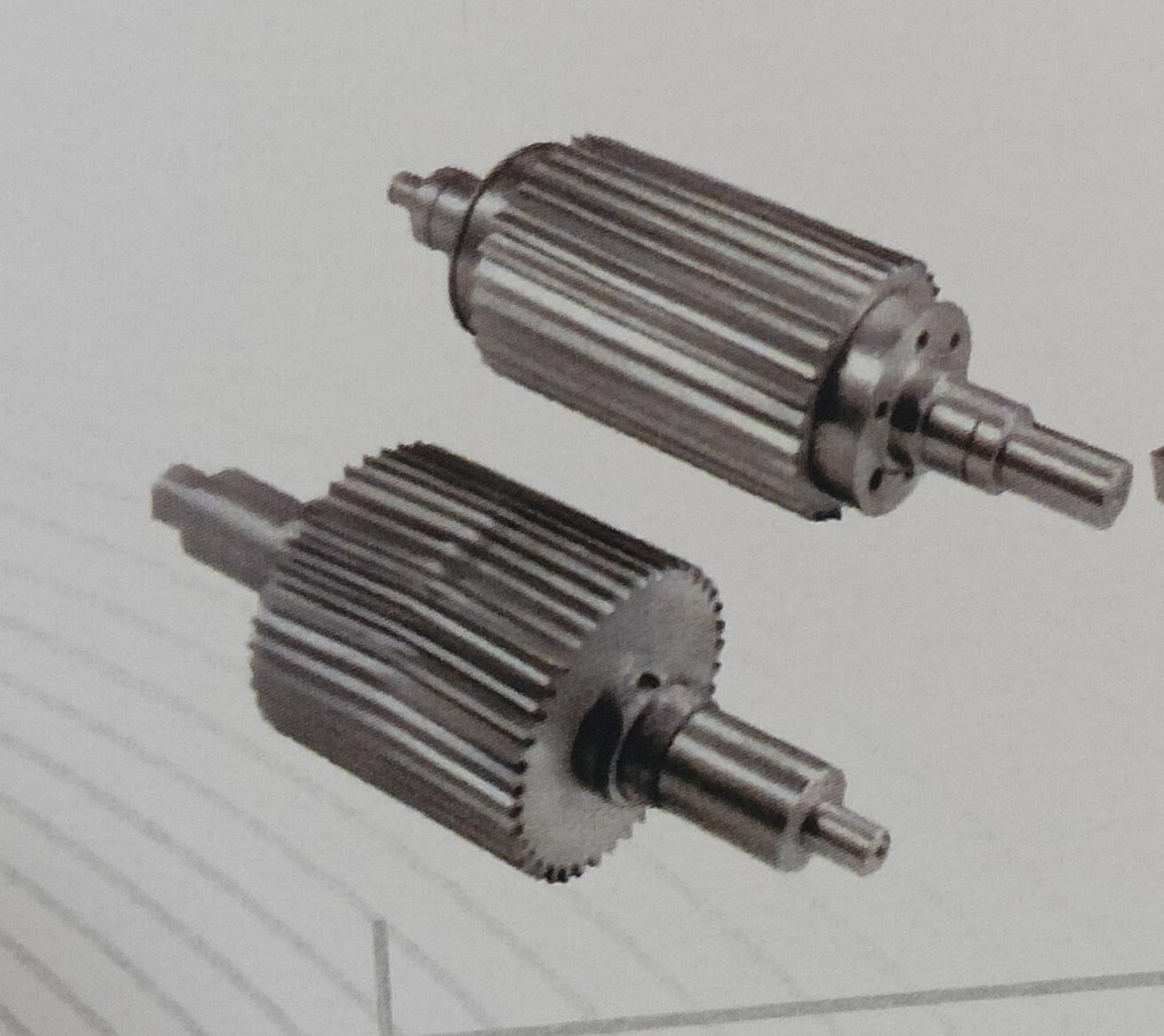 | Plastic Recycling Machinery The Pelletizer Rotor from Ashwini Engineering Works is specially designed for efficient and precise pellet cutting operations in plastic recycling... View product → |
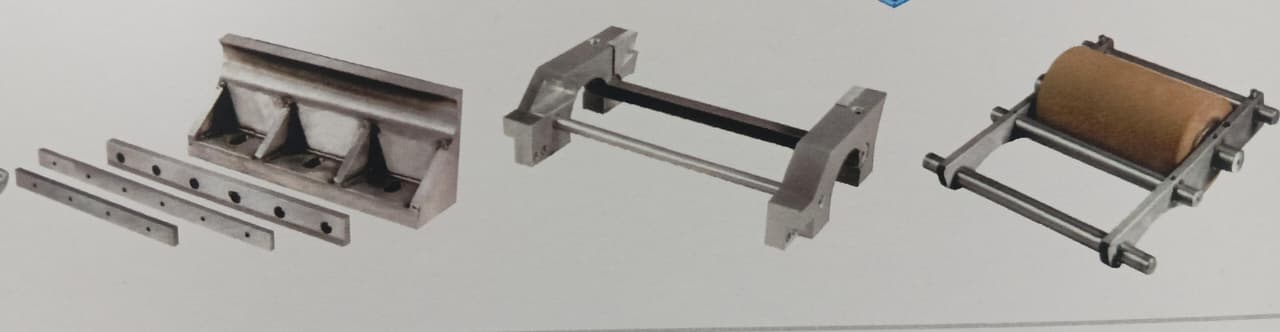 | Plastic Recycling Machinery The Pelletizer Spare Parts from Ashwini Engineering Works are manufactured to deliver reliable performance, precision, and long-lasting durability... View product → |
Frequently asked questions
What does a pelletizer rotor do at the die face?
The rotor holds and sweeps the knives across the heated die plate, cutting melt as it exits the die holes.
How does rotation produce consistent plastic pellets?
A controlled rotor speed and fixed knife-to-die clearance create repeated cuts while water cools and carries away the pellets.
What does a hard-facing layer protect against?
Hard facing protects the blade’s working edge from abrasive wear caused by fillers, pigments, glass fibre, and contaminated plastic.
Is hard facing better than solid tungsten carbide?
Hard facing provides a wear-resistant surface on a tougher blade body, while solid tungsten carbide offers higher wear resistance with greater brittleness and cost.
What details are needed to specify a replacement rotor?
Provide rotor diameter, knife count, blade geometry, die-hole pattern, shaft connection, rotation direction, operating speed, and pelletizer model.
Related products
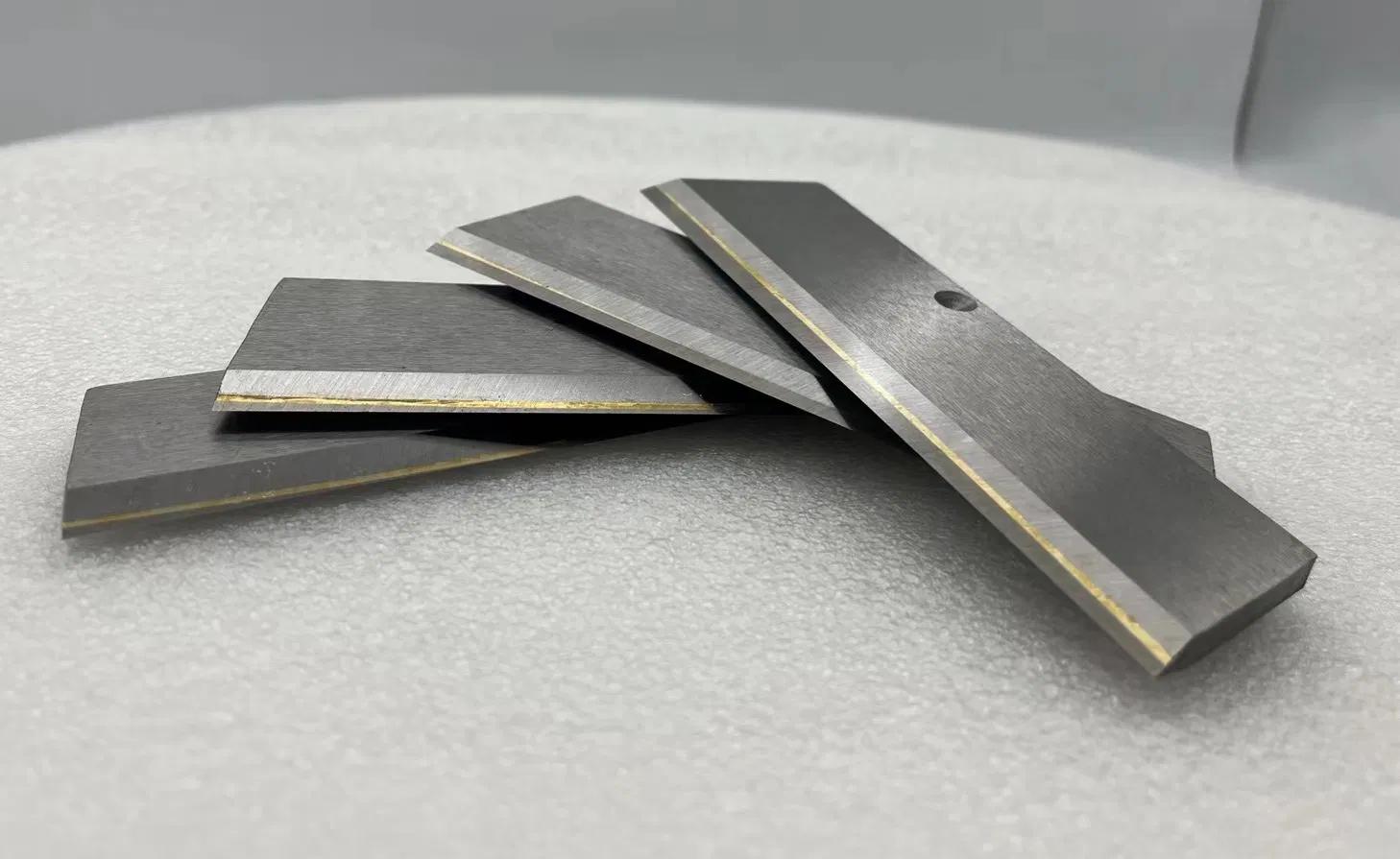 | Plastic Recycling Machinery & High-Speed Steel (HSS) Blades Industrial blades are critical components in machines like grinders, granulators, agglomerators, extruders, and dana... View product → |
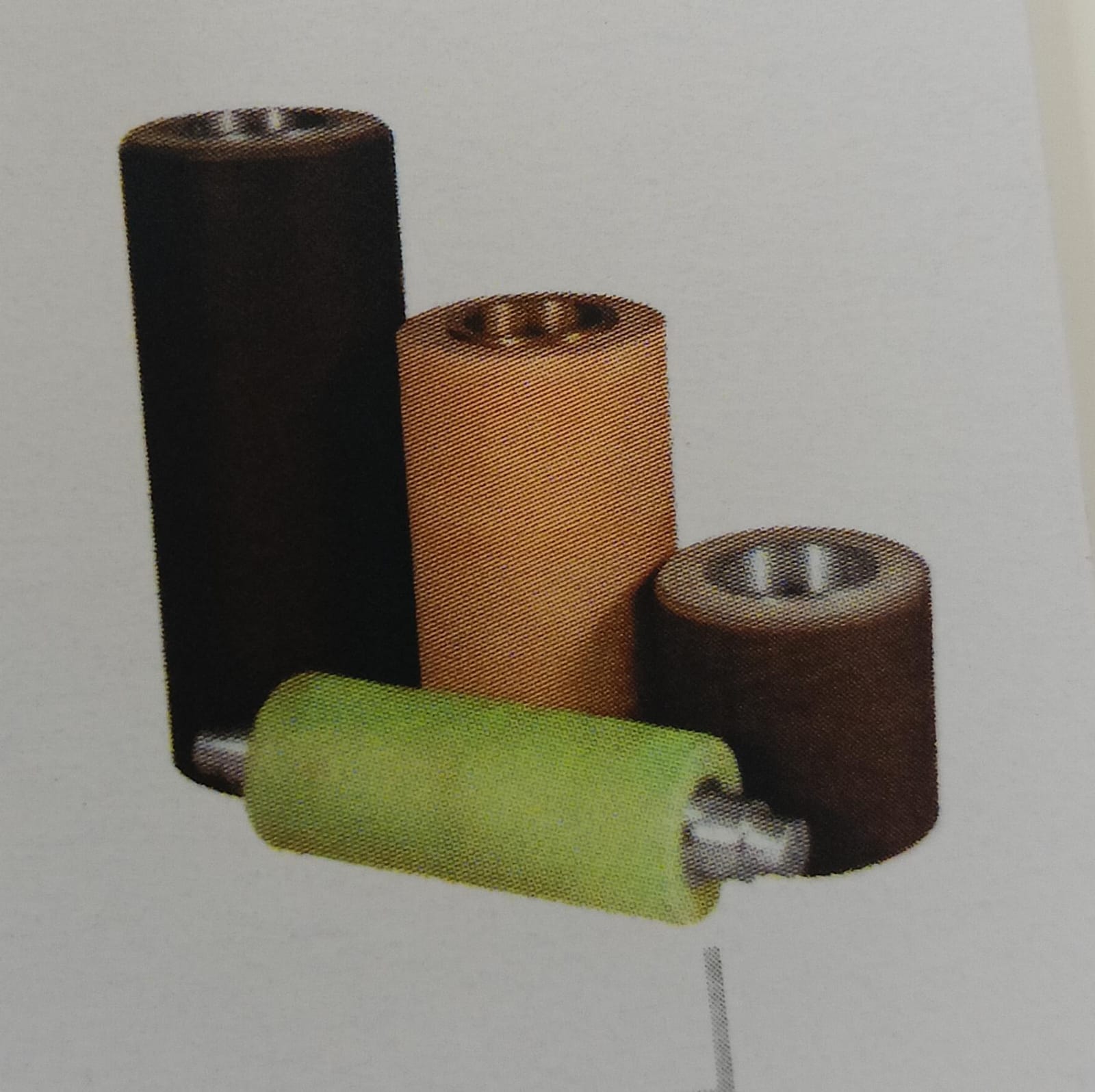 | Plastic Recycling Machinery The Pelletizer Rubber Roller from Ashwini Engineering Works is designed to provide smooth and efficient feeding support during the pelletizing... View product → |